
The Dangers in Your Mop Bucket
Many popular household cleaners contain ingredients that are toxic to pets. Chemicals like ammonia, chlorine (bleach), phenols, and isopropyl alcohol are effective for disinfecting but can be dangerous for animals. Exposure doesn't just happen if a pet drinks
the cleaning solution. The most common risk comes from them walking across a wet floor and then licking the residue off their paws during grooming. Fumes from these products can also irritate their sensitive respiratory systems, especially in poorly ventilated areas. Even products marketed as "natural" can contain essential oils or other ingredients that are harmful, particularly to cats, whose livers cannot process certain compounds like phenols effectively.
How Exposure Happens and Why It's Risky
A pet's interaction with the floor is fundamentally different from a human's. They walk barefoot, lie directly on surfaces, and groom themselves meticulously. This constant contact means any chemical residue left behind has a direct route into their system. Ingestion of even small amounts of toxic chemicals can lead to chemical burns in the mouth and throat, severe gastrointestinal distress, and potential damage to the liver or kidneys. According to the ASPCA Animal Poison Control Center, household cleaning products are a frequent cause of pet poison calls, highlighting how common this household risk is. The smaller body mass of most pets means that a toxic dose is reached much more quickly than it would be for a human.
Warning Signs of Toxic Exposure
If you suspect your pet has been exposed to a cleaning agent, look for specific symptoms. Signs of ingestion often include excessive drooling, pawing at the mouth, vomiting, diarrhea, and loss of appetite. In more severe cases, you might notice lethargy, disorientation, or even seizures. Inhaling fumes can cause coughing, sneezing, watery eyes, and difficulty breathing. Skin contact with corrosive chemicals can result in redness, rashes, or blisters on their paw pads or skin. Any of these signs warrant immediate attention, as quick action can be critical for a positive outcome.
A Safer Cleaning Routine for Pet Parents
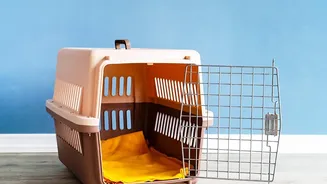
Protecting your pet doesn't mean you have to give up on a clean home. The first step is to read ingredient labels carefully and avoid products containing ammonia, bleach, phenols, and formaldehyde. When you clean, ensure the area is well-ventilated by opening windows or using fans. The most important rule is to restrict your pet from the area entirely during and after cleaning. Keep them in a separate room, a crate, or outside until the floor is completely dry to the touch. This simple barrier method is the most effective way to prevent accidental exposure. For a safer alternative, consider using pet-safe commercial cleaners or making your own simple solution with vinegar and water, though it's important to note that even natural ingredients can be unsuitable for certain floor types.