








A small bedroom often feels like a puzzle with too many pieces. But what if the solution isn't a bigger room, but a smarter layout? Zoning—the practice of creating distinct functional areas—can transform your space, making it feel larger and calmer.
What Exactly Is Bedroom Zoning?
Zoning
is an interior design strategy where you divide a room into distinct areas for different activities, without building walls. In a bedroom, this means creating a clear purpose for each corner of the room. It’s about assigning a 'home' for sleeping, dressing, working, or relaxing. This not only improves organization but also has a psychological benefit, making a cluttered, multi-purpose room feel intentional and peaceful. By giving each activity a defined space, you can reduce mental clutter and make your room feel more harmonious and functional.
The Sleep Zone: A Clutter-Free Sanctuary
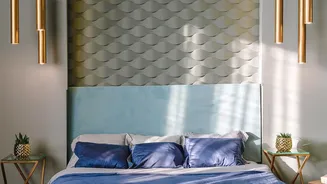
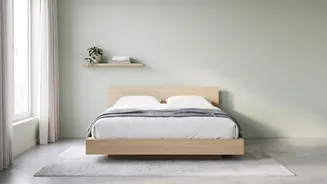
The most important zone is for sleeping. This area should be a sanctuary dedicated to rest. To define it, keep visual clutter to a minimum. Use warm, soft lighting, like a bedside lamp or a wall-mounted sconce, to create a calming ambiance. Even in a tiny room, try to have a clear path to at least one side of the bed. If space is tight, consider a headboard that provides a visual anchor or a bed with built-in storage to keep essentials tucked away. The goal is to train your brain to associate this specific spot with relaxation and nothing else.
The Dressing Zone: Consolidate and Organize
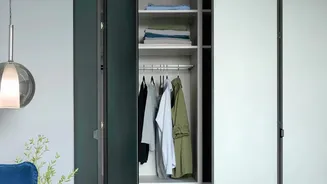
Instead of having clothes and accessories scattered, create a dedicated dressing zone. This is where you consolidate your wardrobe, a mirror, and any getting-ready essentials. To save floor space, think vertically. A tall, narrow wardrobe takes up less of a footprint than a wide dresser. If you don't have a closet, an open-concept 'walk-in' wardrobe can act as a stylish divider while also providing storage. A full-length mirror can be mounted on a wall or door to save space and reflect light, making the area feel bigger.
The Flex Zone: For Work or Relaxation
Many small bedrooms must also serve as a workspace or a quiet corner for a hobby. The key is to keep this zone contained. A small, wall_mounted desk or a floating shelf can create a functional office nook without a large footprint. Position it so you aren't facing your bed, which helps create a mental separation between work and rest. For a reading nook, a comfortable armchair, a floor lamp, and a small side table in a corner can create a cozy retreat. Using a small area rug under the chair can also visually anchor the space and signal its distinct purpose.
Clever Tricks to Define Your Zones
Physical dividers aren't always necessary or practical in a small room. Instead, use visual cues to signal a new zone. Area rugs are one of the most effective tools for this, anchoring a furniture grouping and defining its boundaries. Different lighting can also create distinct moods; use brighter task lighting in a work zone and softer, ambient light in the sleep zone. You can also use furniture as subtle dividers. An open bookshelf can separate a sleeping area from a small living space while still allowing light to pass through. Even a simple curtain hung from the ceiling can create a soft, flexible partition for added privacy.