




Understanding Gold Purity: What is a Karat?
Before diving into 22K versus 24K, it’s important to understand what 'karat' (K) means. Karat is the unit used to measure the purity of gold. The system works on a scale of 24 parts. So, 24-karat gold means that all 24 out of 24 parts are pure gold. As
the karat number decreases, it means the gold is mixed with other metals, known as alloys. These alloys, often copper, silver, or zinc, are added to increase the metal's strength and durability. In India, checking for a Bureau of Indian Standards (BIS) hallmark is crucial, as it certifies the purity of the gold you are buying.
The Case for 24K Gold: The Purest Form
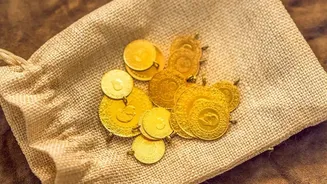
24-karat gold is the purest form of gold you can buy, typically containing 99.9% pure gold. Because it contains virtually no other metals, it has a distinct, rich yellow colour that is highly sought after. However, this purity comes at a cost to its practicality for everyday items. Pure gold is naturally very soft and malleable, which means it can bend, scratch, and dent easily. For this reason, 24K gold is rarely used for regular jewellery. Instead, its primary role is for investment. Investors prefer 24K gold for bars and coins because it offers the maximum intrinsic value and is a globally recognised standard for wealth preservation.
The Appeal of 22K Gold: The Durable Standard
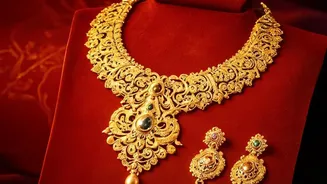
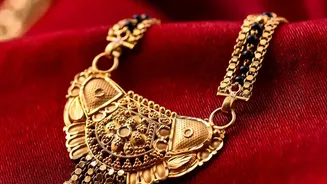
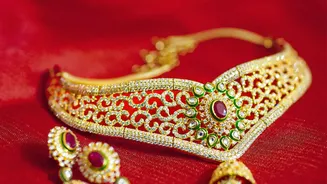
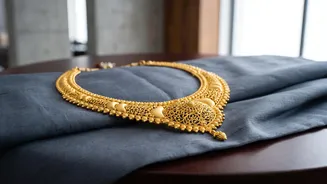
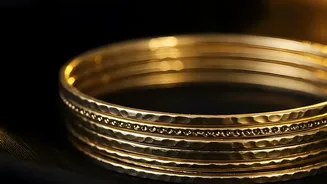
22-karat gold is what most traditional gold jewellery in India is made from. It consists of 22 parts pure gold and 2 parts other metals, making it 91.6% pure gold. This is why 22K gold is often marked with '916', signifying its purity. The addition of alloys like copper and silver makes 22K gold significantly harder and more durable than 24K gold. This strength allows it to withstand daily wear and tear, making it the ideal choice for creating intricate and sturdy jewellery designs, from bangles and necklaces to rings. It strikes a balance between high purity and practical durability.
Jewellery: Durability is Key
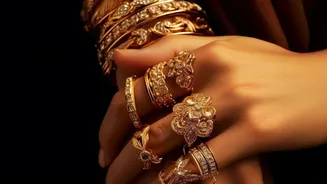
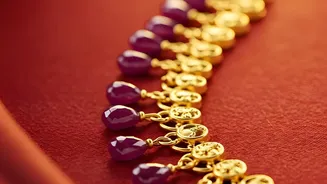
When it comes to jewellery, especially pieces you intend to wear frequently, 22K gold is the clear winner. The softness of 24K gold makes it impractical for ornaments that face daily knocks and exposure; a 24K ring would likely lose its shape over time. 22K gold provides the necessary resilience to hold its form and secure any embedded stones, all while maintaining a rich golden hue and high intrinsic value. For this reason, jewellers across India overwhelmingly recommend 22K for bridal sets, chains, and other beloved pieces meant to last for generations.
Investment: Purity is Paramount
If your primary goal is pure investment, 24K gold is the superior choice. When you buy gold as an asset—in the form of bars or coins—your goal is to own the maximum amount of pure gold for your money. 24K gold is easier to trade on global markets because its purity is a recognized standard, ensuring higher liquidity. While 22K gold items are also a form of investment, their value is tied to both the gold content and other factors like making charges, which are deducted upon resale. For a straightforward investment that closely tracks the market price of gold, 24K bars and coins are the most efficient option.