


The Hidden Cost of Your Coffee Break
For every cup of coffee brewed, less than one percent of the coffee bean's biomass ends up in your drink. The other 99 percent, the wet, nutrient-rich grounds, are typically thrown away. In urban centres across India and the world, this adds up to tonnes
of organic waste sent to landfills every day. When this waste decomposes in a landfill, it releases methane, a potent greenhouse gas. But what if this 'waste' wasn't waste at all? It turns out that spent coffee grounds are an almost perfect, pre-packaged food source for one of nature's most efficient recyclers: fungi.
A Perfect Match: Coffee and Fungi
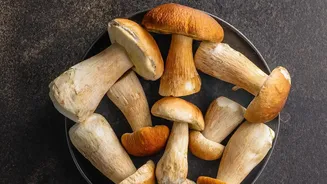
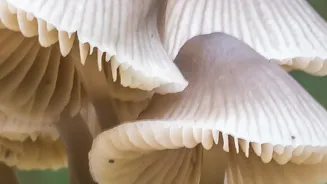
Coffee grounds are rich in nitrogen and other essential minerals that mushrooms need to thrive. The brewing process itself provides a major advantage by pasteurising the grounds, which kills off most of the competing microorganisms that would otherwise contaminate the mushroom crop. This means growers can bypass the energy-intensive sterilisation process usually required for substrates like straw or sawdust, making it a simpler and more accessible form of cultivation. While many types of mushrooms can be grown this way, the fast-colonising oyster mushroom (Pleurotus ostreatus) has emerged as the star player, tolerating the caffeine content and flourishing on this unique medium.
The Circular Economy on Your Plate
This practice is a prime example of a circular economy, where waste from one process becomes a valuable resource for another. Instead of a linear path from café to landfill, coffee grounds are collected from local coffee shops and repurposed to produce fresh, local food. This reduces waste disposal costs for cafes and shortens the food supply chain, minimising the carbon footprint associated with transporting produce over long distances. Urban farms can be set up in basements, warehouses, or even shipping containers, bringing agriculture directly into the city where both the waste stream and the demand for fresh food are highest.
How It Works: From Grounds to Gourmet
The process is surprisingly straightforward. Freshly spent coffee grounds are collected from local cafes, often mixed with a substrate like sawdust or straw to improve aeration and prevent compaction. This mixture is then inoculated with mushroom spawn—the vegetative root-like structure of the fungus called mycelium. The inoculated substrate is packed into special grow bags or buckets and kept in a dark, controlled environment for two to three weeks while the mycelium colonises the coffee grounds. Once the mixture is fully covered in white mycelium, the bags are moved to a humid space with fresh air and indirect light, which triggers the mushrooms to fruit. Within another week or two, clusters of fresh oyster mushrooms are ready for harvest.
India's Growing Appetite for Upcycling
While urban mushroom farming on coffee grounds is more established in Europe and Australia, the concept is gaining traction in India. The country is already home to a burgeoning movement focused on turning agricultural waste—like paddy straw and sugarcane bagasse—into valuable products, from packaging materials to mushroom crops. Startups and social enterprises are recognising the potential of using various forms of organic waste to cultivate mushrooms, providing a new source of income for farmers and reducing pollution from crop burning. As India’s urban coffee culture continues to boom, the vast quantities of spent grounds produced daily represent a massive, untapped resource for pioneering entrepreneurs to create local, sustainable food systems.
More Than Just Sustainable
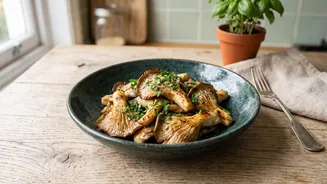
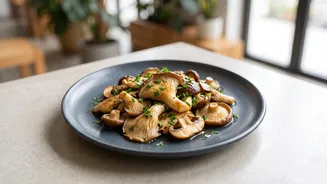
Beyond the environmental benefits, the mushrooms themselves are a nutritional powerhouse. Oyster mushrooms are a great source of protein, dietary fibre, and a wide array of vitamins and minerals, including B vitamins, potassium, and iron, all while being low in calories. Studies on oyster mushrooms grown on coffee grounds have shown they have a high protein and Vitamin C content. Once the mushrooms are harvested, the cycle doesn't end. The spent substrate, now enriched by the mycelium, becomes a fantastic compost and soil conditioner, perfect for community gardens and urban green spaces, truly closing the loop on this innovative food system.