




Why Your Hips Protest After Sitting
The human body is designed for movement, but modern work often involves sitting for eight hours or more a day. This keeps your hips locked in a flexed position. Over time, this can cause the muscles at the front of your hip, known as the hip flexors,
to become short and tight. Simultaneously, your gluteal muscles (in your buttocks), which are meant to be powerful and active, become weak from underuse. This combination of tight flexors and weak glutes can pull your pelvis out of alignment, placing strain on your lower back and contributing to that familiar stiffness and pain. Without regular movement to counteract this, hip joints can become less mobile, making everyday actions feel more difficult.
Seated Figure-Four Stretch
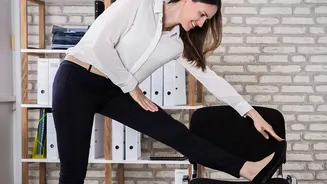
This is one of the most accessible stretches and can be done right from your office chair. It targets the gluteal muscles and the deep rotators of the hip. Sit upright in your chair with both feet flat on the floor. Cross your right ankle and place it over your left knee. Your legs should form a '4' shape. Keeping your back straight, gently hinge forward at your hips until you feel a stretch in your right glute and outer hip. For a deeper stretch, you can apply gentle downward pressure on your right knee. Hold for 20 to 30 seconds, breathing deeply, and then switch to the other side. This movement is excellent for releasing tension that builds up during long periods of sitting.
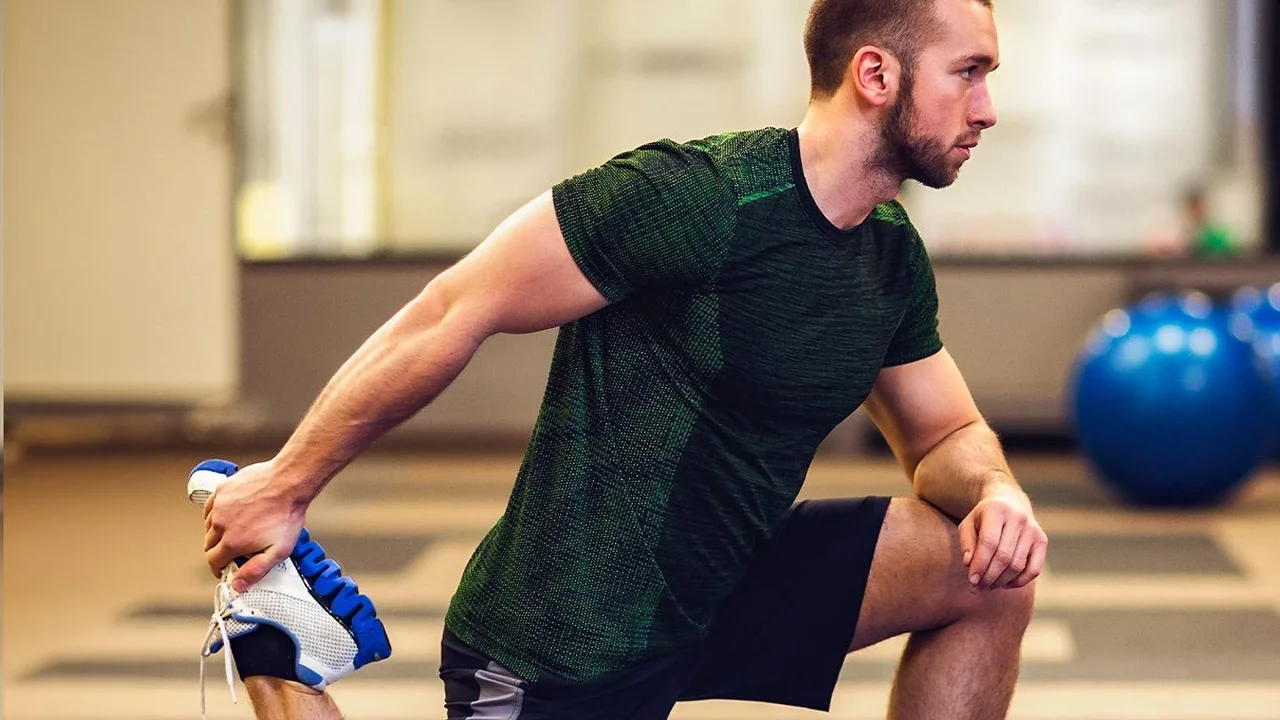
Kneeling Hip Flexor Stretch
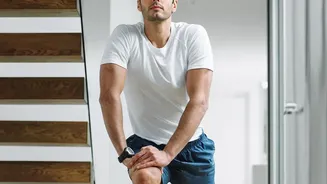
This stretch directly counteracts the shortening of the hip flexors. Start by kneeling on a soft surface like a carpet or yoga mat. Step your right foot forward so your right knee is bent at a 90-degree angle, directly above your ankle. Your left knee remains on the floor. Keeping your back straight and your core engaged, gently shift your weight forward into your right foot. You should feel a stretch along the front of your left hip and thigh. Be careful not to arch your back; the movement should come from the hips. For an enhanced stretch, you can raise your left arm straight up. Hold the position for 30 seconds before switching legs.
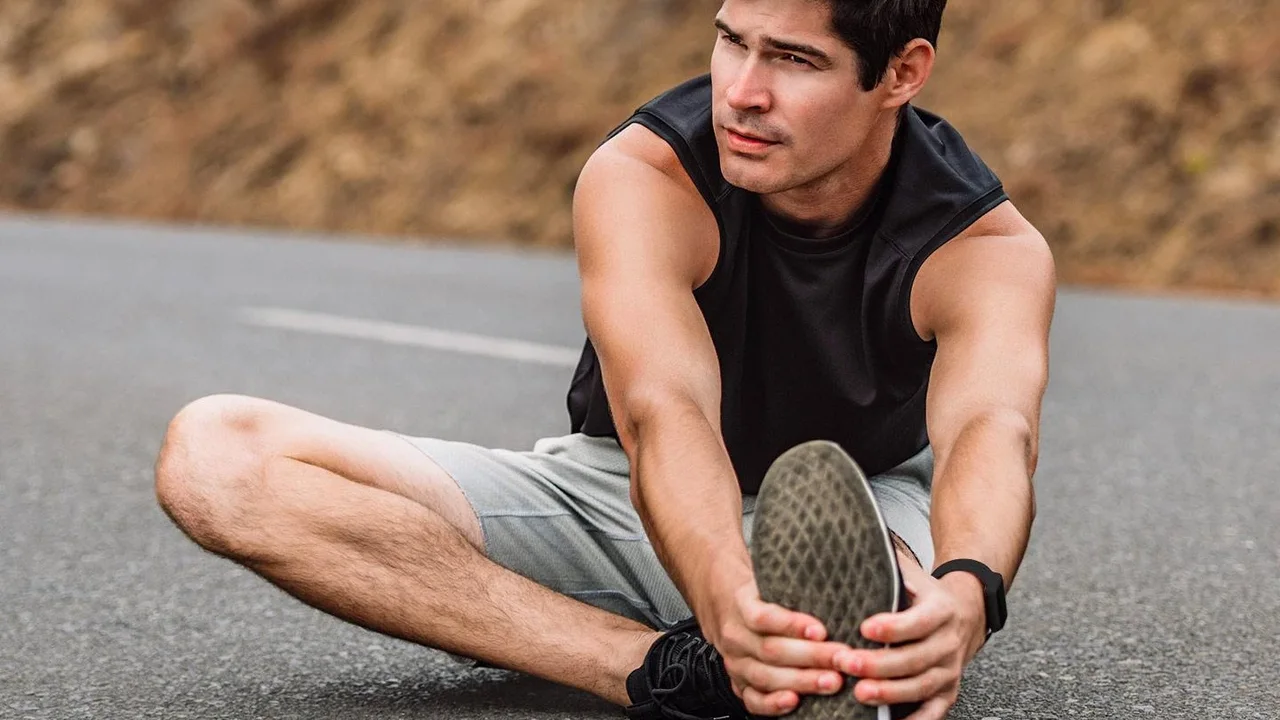
90/90 Hip Rotations
This drill is fantastic for improving both internal and external rotation of the hip, a range of motion often neglected by sedentary lifestyles. Sit on the floor with your right leg bent at a 90-degree angle in front of you, with your shin roughly parallel to your chest. Your left leg should be bent at a 90-degree angle to the side. Sit up tall, then slowly hinge forward over your front shin to feel a stretch in your right hip. Then, keeping your feet in place, rotate your torso and drop both knees to the other side, reversing the position. Move slowly between sides for 8-10 repetitions, allowing the joints to 'grease'. This helps restore fluid movement to the hip sockets.
Glute Bridges for Activation
After stretching tight muscles, it's important to 'wake up' the ones that have been dormant. Glute bridges are perfect for reactivating your gluteal muscles. Lie on your back with your knees bent, feet flat on the floor about hip-width apart, and your arms resting by your sides. Squeeze your glutes and lift your hips off the floor until your body forms a straight line from your shoulders to your knees. Avoid arching your lower back; the power should come from your hips. Hold for a moment at the top before slowly lowering back down. Aim for two sets of 10 to 15 repetitions. This helps strengthen the muscles that support your hips and pelvis.