



Why You Should Never Waste Citrus Peels
In a world increasingly focused on reducing waste, the humble citrus peel emerges as an unsung hero of the kitchen. Most of us enjoy the fruit and discard the skin, but that peel is packed with potential. Utilising it is a powerful step toward a zero-waste
lifestyle, turning what would otherwise contribute to landfill methane emissions into a valuable culinary asset. Beyond the environmental benefits, citrus peels are a nutritional powerhouse. They contain high concentrations of flavonoids, Vitamin C, and other bioactive compounds. Perhaps most importantly, they are an incredible source of dietary fibre, specifically pectin, which is the key to their gut-friendly magic.
The Gut-Friendly Connection Explained
The term "gut-friendly" isn't just a buzzword when it comes to citrus peels. The secret lies in pectin, a type of soluble fibre that your own digestive system can't break down. Instead, it travels to your large intestine, where it becomes food for beneficial gut bacteria like Bifidobacterium and Lactobacillus. This makes pectin a potent prebiotic, a substance that helps the good microbes in your gut thrive. A healthy gut microbiome is linked to numerous benefits, including improved digestion, reduced inflammation, and better immune function. Studies have shown that compounds in citrus peels can promote the growth of this healthy bacteria, creating a better balance in your digestive tract.
An Essential First Step: Cleaning Your Peels
Before you start cooking, it's crucial to properly clean the citrus peels, as they can be coated with wax and may have pesticide residues. Whenever possible, opt for organic citrus to minimize pesticide exposure. To clean them, a simple but effective method is to scrub the fruit under running water. For a more thorough clean, you can soak the fruit in a solution of water and baking soda for 15 minutes, which has been shown to be highly effective at removing surface pesticides. Another option is a solution of water and vinegar. After soaking, give the fruit a final rinse and a gentle rub to ensure it's ready for consumption.
Recipe: Zesty and Spicy Orange Peel Chutney
This traditional Indian-style chutney, also known as thokku or pachadi, transforms orange peels into a flavour-packed condiment. You will need the peel of two large oranges, finely chopped. In a pan, heat a bit of oil and temper with mustard seeds. Once they pop, add chopped green chillies or chilli powder, a pinch of turmeric, and the chopped orange peels. Sauté for a few minutes until the raw smell disappears. Add a splash of tamarind extract or lemon juice, a small piece of jaggery or brown sugar for sweetness, and salt to taste. Let it simmer until the peels are soft and the chutney has thickened. This tangy and spicy preserve is a perfect accompaniment to rice dishes, flatbreads, or even cheese.
Recipe: Classic Sweet Lemon Preserve
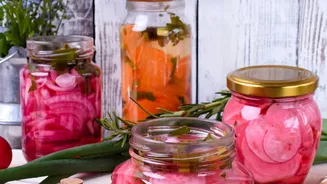
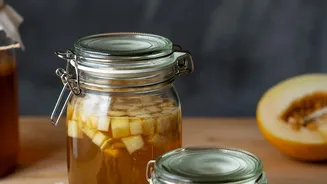
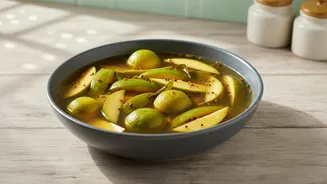
A sweet lemon preserve, often called nimbu ka achaar in India, is another fantastic way to use leftover peels. Start with the peels of 6-8 lemons, chopped into small pieces. In a clean glass jar, combine the chopped peel with a generous amount of salt and a teaspoon of turmeric. The salt will draw out moisture and begin the preservation process. Let this mixture sit at room temperature for a few days, shaking the jar daily. To finish, you can add sugar or jaggery, grated ginger, and a pinch of red chilli flakes. Let the preserve mature for a few more weeks until the peel is completely tender and the flavours have melded. The result is a complex, sweet, salty, and tangy condiment that gets better with age.
More Than Just Chutney
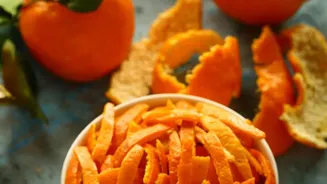
Your zero-waste journey with citrus peels doesn't have to end with preserves. The possibilities are nearly endless. You can candy the peels for a sweet treat or a garnish for desserts and cocktails. Infusing vinegar with peels creates a fragrant, natural all-purpose cleaner that cuts through grease. Dried and minced, they can be added to loose-leaf tea for a fragrant brew or blended with coarse salt to create a finishing salt for seasoning vegetables and fish. By reimagining these scraps, you not only add new flavours to your pantry but also take a meaningful step toward a more sustainable kitchen.