






Why Your Gut Is Vulnerable
The rainy season creates a perfect storm for digestive issues. The high humidity and moisture in the air allow bacteria and viruses to thrive, increasing the risk of food and water contamination. Our bodies also respond to the change in weather. According
to traditional wisdom like Ayurveda, the digestive fire, or 'agni', is naturally weaker during this time. This means our ability to break down food is compromised, making us more susceptible to bloating, acidity, and infections if we eat heavy or improperly prepared meals. This combination of external contamination risks and internal digestive slowdown makes mindful eating more important than ever.
The Risky List: Foods to Avoid
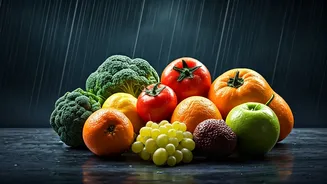
While pakoras and chai are a monsoon ritual, some foods are best approached with caution. First on the list is street food, especially items like golgappas or chaat that use unboiled water and raw chutneys. The risk of contamination is simply too high. Leafy green vegetables like spinach and cabbage can be problematic too, as the damp folds can harbour mud, germs, and worms that are hard to wash away. It's also wise to steer clear of raw salads and pre-cut fruits from vendors; oxidation and exposure to airborne microbes can turn them into a bacterial breeding ground. Finally, rich, oily, and heavy-to-digest fried foods should be limited. They put extra strain on your already sluggish digestive system, leading to discomfort.
Your Monsoon Plate: Foods to Enjoy
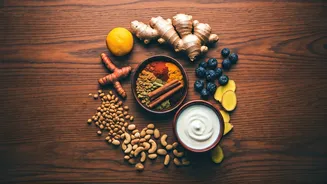
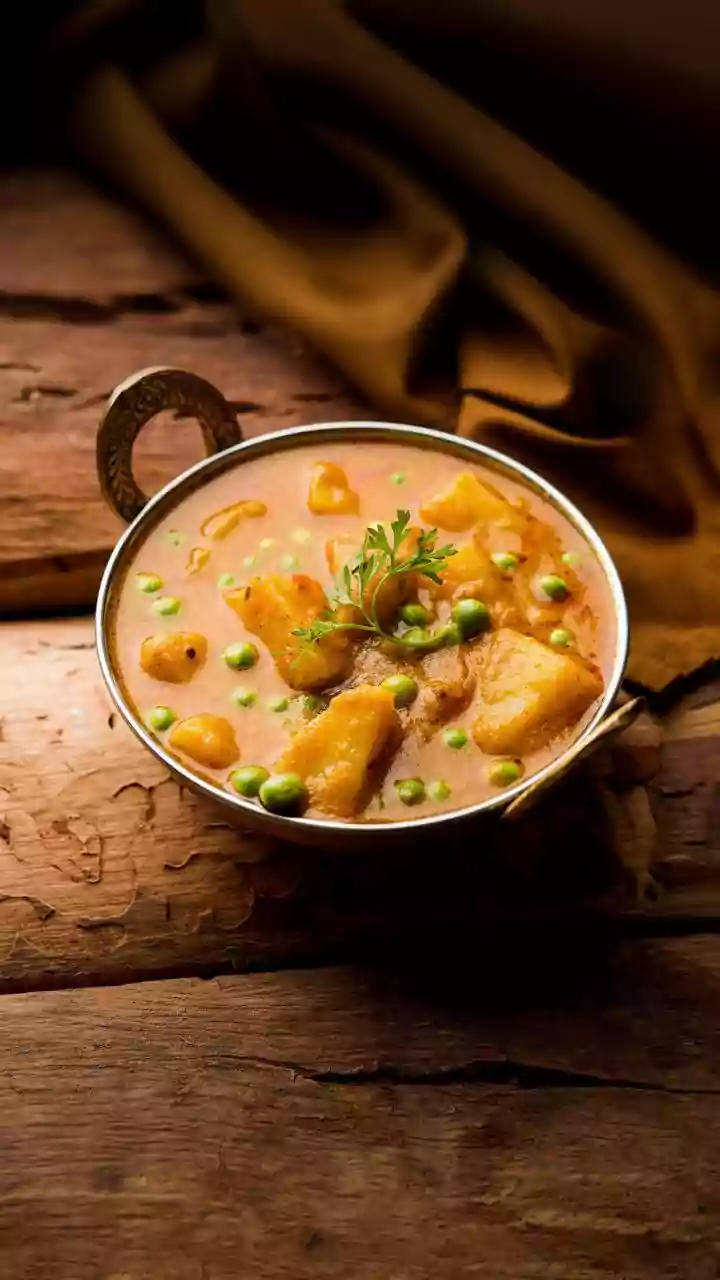
So, what should you eat? Focus on light, warm, and freshly cooked meals. Think simple home-cooked dal, rice, and sabzi. Seasonal vegetables like lauki (bottle gourd), tori (ridge gourd), and parwal (pointed gourd) are excellent as they are light on the stomach and easy to digest. Warm soups—like a classic tomato or a nourishing mixed vegetable broth—are perfect for this weather. They are hydrating, comforting, and gentle on your gut. Incorporate digestive-friendly spices like ginger, turmeric, black pepper, and hing (asafoetida) into your cooking. These spices not only add flavour but also help boost your digestive fire and fight off infections. Probiotic-rich foods like homemade dahi (yoghurt) can also support gut health by introducing beneficial bacteria.
Kitchen Rules for the Rains
Food safety starts in your own kitchen. Be extra vigilant with your produce. If you buy leafy greens, wash them thoroughly in a solution of salt or vinegar water, and then cook them well rather than eating them raw. For other vegetables and fruits, a thorough wash under running water is a must. Always use purified or boiled water for cooking and drinking. Avoid storing cooked food for long periods; it's best to cook fresh for each meal if possible. Reheating food thoroughly before consumption can help kill any bacteria that may have developed. These simple habits are your first line of defence against water-borne and food-borne illnesses during the monsoon.
Sip Smartly: Hydration Heroes
It's easy to drink less water when the weather isn't scorching hot, but staying hydrated is crucial for digestion and flushing out toxins. However, be mindful of your water source. Always drink boiled and cooled water or use a reliable water purifier. A great way to stay hydrated and boost immunity is by sipping on warm herbal teas. Brews made with ginger, tulsi, mint, or lemongrass are not only soothing but also have antimicrobial properties. You can also have warm water with a dash of lemon and honey in the morning to kickstart your digestion. Avoid carbonated drinks and excessively sugary packaged juices, as they can cause bloating and disrupt the natural balance of your gut.