







Why Cool, Humid Weather Is So Deceiving
When the monsoon clouds roll in, the drop in temperature makes it easy to assume your body needs less water. Many people reduce their fluid intake, thinking the risk of dehydration is a summer-only problem. However, the opposite is often true. The defining
feature of the monsoon is high humidity, which dramatically changes how your body cools itself. In humid conditions, the air is already saturated with moisture, which means your sweat doesn't evaporate effectively. Since evaporation is the body's primary cooling mechanism, your system has to work overtime, producing even more sweat in an attempt to regulate your core temperature. The result is significant fluid loss that isn't as obvious as on a hot, dry day, tricking you into a false sense of security.
The Direct Hit to Your Workout Recovery
This state of unnoticed dehydration can wreak havoc on your workout recovery. Water is essential for almost every bodily function, including muscle repair. Proper hydration ensures efficient blood flow, which is crucial for transporting oxygen and nutrients to your muscles and flushing out metabolic waste products like lactic acid. When you're dehydrated, your blood volume decreases, forcing your heart to work harder. This slows down the entire recovery process, leading to increased muscle soreness, prolonged fatigue, and a greater risk of cramps. In fact, even a mild fluid reduction of just 2% can lead to a significant drop in performance. If you've been feeling unusually tired or sore after your workouts this season, hidden dehydration could be the culprit.
Subtle Signs of Monsoon Dehydration
Because you might not feel overtly thirsty, it's important to recognise the more subtle signs of dehydration that are common during humid weather. These symptoms are often mistaken for general monsoon-related sluggishness. Be on the lookout for persistent fatigue even after a full night's sleep, recurring dull headaches, and increased irritability or moodiness. Other physical signs include dark-coloured urine, dizziness or feeling lightheaded (especially after standing up), and a dry mouth. Muscle cramps, either during or after exercise, are another classic sign that your fluid and electrolyte levels are too low.
It's Not Just Water You're Losing
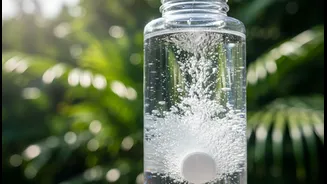
When you sweat, you don't just lose water; you also lose essential minerals known as electrolytes, such as sodium, potassium, and magnesium. These are vital for nerve function and muscle contractions. Replenishing with plain water alone, especially after intense exercise, can sometimes dilute the electrolytes remaining in your body, leading to an imbalance. This is why you might still feel fatigued or experience muscle twitches even after drinking plenty of water. Integrating electrolyte sources is crucial for effective rehydration in humid conditions.
A Proactive Plan for Staying Hydrated
The key to avoiding monsoon dehydration is to be proactive rather than reactive. Don't wait until you feel thirsty, as thirst is a sign that you are already behind on your fluid intake. Aim to sip water consistently throughout the day, targeting 8-10 glasses as a baseline and increasing that amount based on your activity level. Make it a habit to hydrate before, during, and after your workouts. For workouts longer than an hour or those that cause heavy sweating, consider an electrolyte drink or natural alternatives. Nimbu paani (lemon water with salt and a little sugar), coconut water, and fruits like bananas and oranges are excellent for replenishing both fluids and lost minerals.