


From Humble to Headline
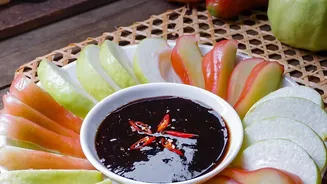
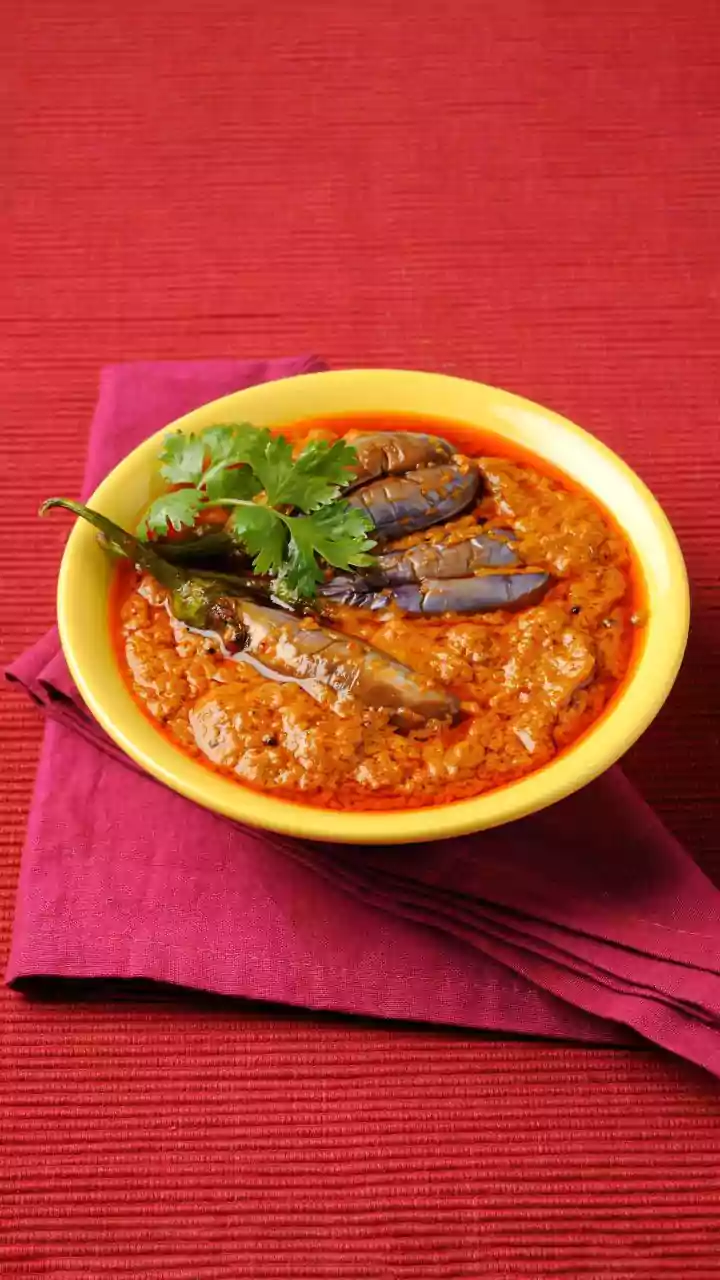
For generations, certain Indian fruits and vegetables were relegated to specific, traditional roles—pickled, stewed, or eaten simply as a snack. But a new wave of culinary creativity is changing that narrative. This ingredient-forward movement is placing
a deeper respect on regional heritage, driven by chefs and platforms dedicated to reimagining dining through local produce. Ingredients once seen as humble are now becoming the stars of fine-dining menus and innovative home cooking. This shift is partly fuelled by a growing desire for clean, sustainable eating and a sense of nostalgia, bringing forgotten foods back to the contemporary dining table.
The Jackfruit Revolution
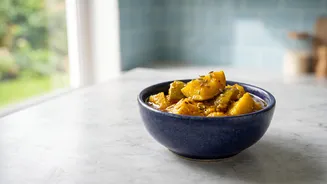
Perhaps no ingredient better represents this trend than jackfruit. Traditionally known in its raw form, or 'kathal', as a component in curries and sabzis, its potential was largely untapped. Today, its unique texture and meat-like structure have made it a global superstar and a favourite plant-based protein source. Modern Indian kitchens are now using raw jackfruit as a meat substitute in everything from 'pulled' jackfruit burgers and tacos to hearty biryanis. This isn't just a vegan trend; it's a creative reinterpretation that showcases the versatility of a fruit that has been part of the Indian landscape for centuries.
The Superfood Glow-Up
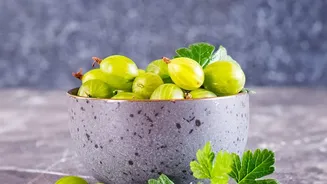
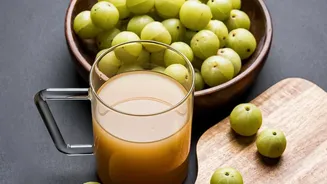
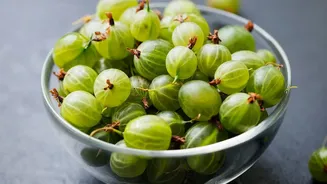
Health-conscious consumers and innovative chefs are also breathing new life into traditional 'superfoods'. Amla, or the Indian gooseberry, long valued in Ayurveda and used in pickles and murabba, is a prime example. Packed with Vitamin C, this sour berry is now appearing in wellness juices, smoothies, tangy chutneys, and even as a flavouring agent in modern cocktails. Similarly, moringa, the 'miracle tree', is moving beyond simple dal preparations. Its nutrient-dense leaves and pods are being incorporated into everything from energizing teas and soups to smoothies and even baked goods like muffins, adding an earthy flavour and a powerful nutritional boost.
Desserts Get a Regional Twist
The dessert menu is another exciting frontier for this movement. Regional fruits, often with sharp, astringent, or uniquely sweet profiles, are inspiring a new generation of sweet treats. The tart, purple Jamun (Java plum), once eaten with a pinch of salt, is now being transformed into elegant mousses, ice creams, and cheesecakes. Other chefs are experimenting with fruits like ber and kafal (Himalayan bayberry), using their unique flavours in sorbets and other desserts. This trend extends to fusion desserts, where traditional sweets are deconstructed and reimagined, like Gulab Jamun finding its way into cakes, ice creams, and trifles, blending nostalgic tastes with contemporary forms.
Why Now? A Return to Roots
Several factors are driving this culinary shift. There's a growing appreciation for India's immense biodiversity and a desire to support local farmers and sustainable practices. Visionary chefs are championing a hyper-local approach, foraging for ingredients and building menus that celebrate the unique flavours of their region. This movement is about more than just novelty; it's about reconnecting with culinary roots and showcasing the depth and complexity of India's regional cuisines to a new generation of diners. By looking inward, the modern Indian kitchen is forging a unique and authentic identity that feels both timeless and unmistakably contemporary.