







Honouring the Foundation
For generations of dancers abroad, the journey begins with a deep immersion in tradition. The guru-shishya parampara, or the teacher-disciple lineage, remains the bedrock of learning, even thousands of miles from India. Schools and institutions across
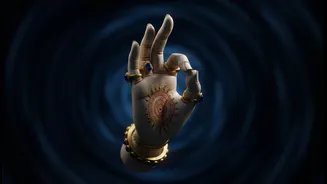
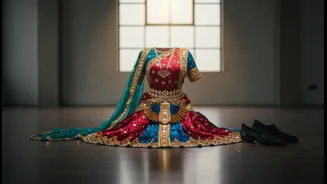
the United States, United Kingdom, and Europe meticulously teach the foundational grammar of forms like Bharatanatyam, Kathak, and Odissi. This rigorous training ensures that the intricate footwork, expressive hand gestures (mudras), and complex rhythmic structures are passed down with authenticity. Preserving this classical framework is not just about technique; for many in the diaspora, it is a vital connection to their cultural heritage and identity. This strong foundation serves as an essential anchor, providing the depth and discipline from which all innovation springs.
A Canvas for New Stories
Living and creating in a new cultural context provides what some artists call 'evolutionary pressures' that inspire change. Dancers abroad are increasingly using the vocabulary of classical dance to explore contemporary themes that resonate with their lived experiences. Instead of focusing solely on mythological tales, choreographers are tackling subjects like social justice, identity, mental health, and environmental issues. For example, companies like the US-based Ananya Dance Theatre are known for weaving Bharatanatyam into powerful narratives addressing social concerns. This shift doesn’t seek to abandon tradition, but to expand its narrative scope, proving the art form’s ability to reflect the conflicts and values of the modern world. It’s a creative process that asks what ancient forms have to say about our lives today.
The Power of Collaboration
One of the most exciting frontiers for Indian classical dance abroad is cross-cultural collaboration. Artists are actively engaging in creative dialogues with dancers and musicians from other traditions, including ballet, contemporary dance, jazz, and even martial arts. These fusions are not just superficial combinations but deep syntheses of artistic sensibilities. British choreographer Akram Khan, for instance, has gained international acclaim for masterfully blending Kathak and contemporary dance. These projects challenge artists to step outside their comfort zones, creating a captivating experience that can speak to diverse audiences who may be unfamiliar with the traditional context of Indian dance. This cross-pollination enriches the art form, creating a new, hybrid language that is both global and deeply personal.
The Digital Stage and Global Reach
In the 21st century, the stage is no longer confined to a physical space. The rise of digital media has profoundly impacted how Indian classical dance is shared, taught, and experienced. Dancers in the diaspora are using platforms like Instagram and YouTube to showcase their work, connect with global audiences, and even teach virtually. This has democratized access to the art form, creating a more diverse and inclusive international community. Organizations are hosting online interview series and festivals, fostering conversations that transcend geographical boundaries. This digital presence not only helps in popularizing the dance but also ensures that the ongoing evolution of these classical forms is documented and shared in real time, reaching audiences who might never have encountered it otherwise.