


From Theory to Confirmation
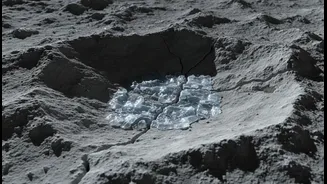
For decades, scientists suspected water might exist in the Moon's darkest, coldest craters. Early hints came from Apollo-era samples, but definitive proof remained elusive. That changed with a series of dedicated missions. India's Chandrayaan-1 probe,
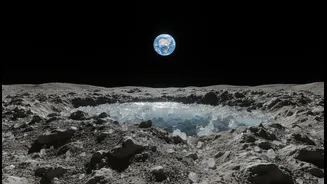
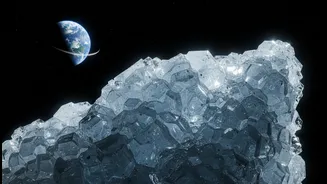
launched in 2008, provided the first direct evidence by detecting water molecules. This was spectacularly confirmed when NASA's LCROSS mission slammed an impactor into a polar crater, ejecting a plume that contained water ice. More recently, data from the still-orbiting Chandrayaan-2 and NASA's Lunar Reconnaissance Orbiter have revealed signs of significant subsurface ice deposits, especially at the Moon's south pole. These discoveries have shifted lunar water from scientific curiosity to a tangible resource.
Why Water Is the New Lunar Gold
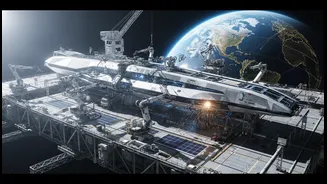
The value of lunar water isn't for quenching the thirst of future astronauts, although that's a bonus. Its true worth lies in its components: hydrogen and oxygen. When separated through electrolysis, these elements become powerful rocket propellant. The ability to refuel spacecraft in lunar orbit—a concept called in-situ resource utilization (ISRU)—is a game-changer. It could drastically lower the cost of missions because fuel, the heaviest part of any rocket, would no longer need to be launched out of Earth's deep gravity well. This makes the Moon a potential 'gas station' for more ambitious journeys to Mars and beyond. For nations and companies with lunar ambitions, securing access to water ice is like securing the oil fields of the 21st century.
India’s Stake at the South Pole
India has cemented itself as a key player in this new lunar landscape. After Chandrayaan-1's foundational discovery, the successful landing of Chandrayaan-3 near the south pole in 2023 was a historic achievement, making India the first nation to soft-land in this strategically vital region. The south pole is the focal point of global interest precisely because its permanently shadowed craters are believed to hold vast quantities of ice. Recent analysis from Chandrayaan-2's orbiter has further bolstered this, identifying strong evidence of subsurface ice. With plans for a Chandrayaan-4 sample return mission and an astronaut on the Moon by 2040, India is not just participating in the race; it is actively generating crucial data that will shape where future lunar bases are built.
The Trillion-Dollar Technical Challenge
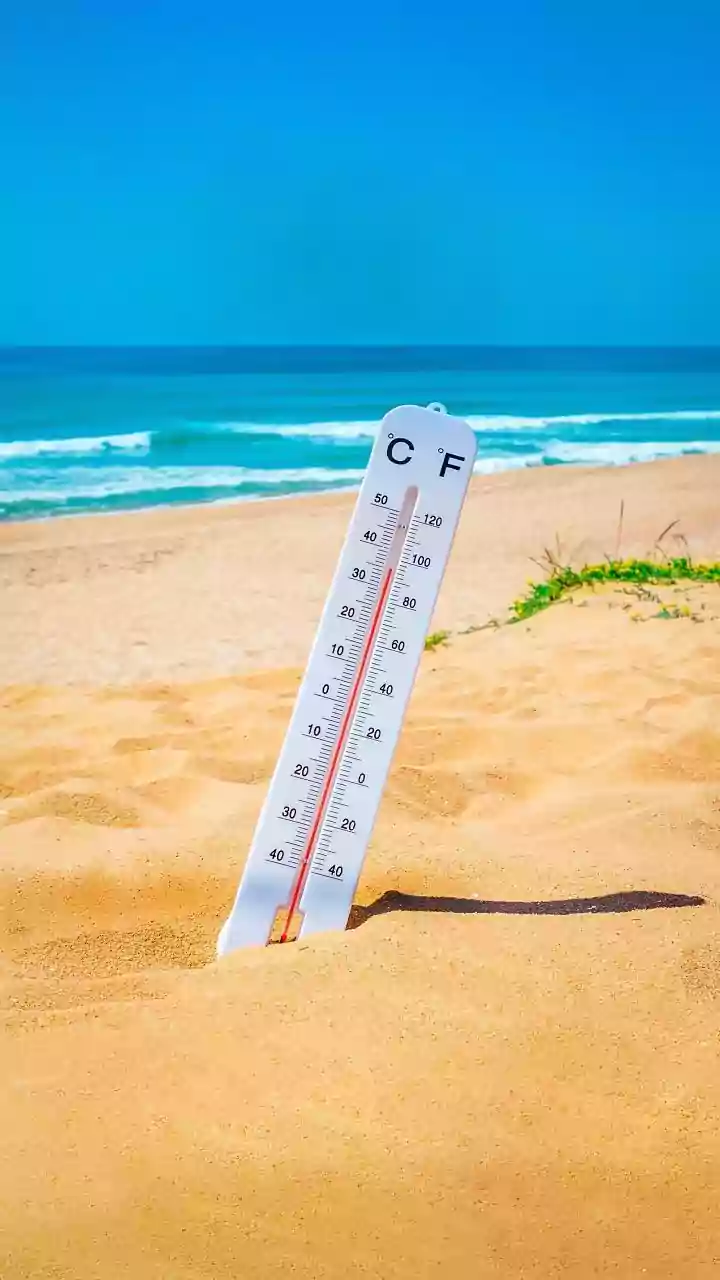
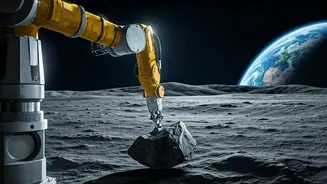
For all the excitement, turning lunar ice into rocket fuel is an immense engineering puzzle. The ice is located in some of the coldest places in the solar system, with temperatures plunging to minus 250 degrees Celsius. It's mixed with abrasive lunar dust (regolith) and must be mined in pitch-black darkness. Companies are developing innovative technologies, from robotic excavators to drills and heating systems, to extract the frozen regolith and separate the water. NASA's PRIME-1 experiment is one such effort to test drilling and analysis technology on the Moon. But these operations will be incredibly energy-intensive and must be performed by robots in one of the harshest environments imaginable, making the initial investment costs astronomical.
Who Owns the Moon’s Resources?
The biggest question may not be technical but legal and geopolitical. The 1967 Outer Space Treaty, the foundation of space law, prohibits any nation from claiming sovereignty over a celestial body like the Moon. However, it's silent on whether private companies or nations can extract and own resources. This ambiguity has led to two competing frameworks. The U.S.-led Artemis Accords, which India has signed, argue that resource extraction is permissible and does not constitute national ownership. Conversely, the largely unratified Moon Treaty of 1979 declares lunar resources the “common heritage of mankind,” to be managed by an international regime. This creates a high-stakes legal grey area. As nations like the U.S., China, Russia, and India establish their lunar programs, the lack of a clear, universally accepted set of rules creates a risk of future conflict over the most resource-rich locations.