





Why Oily Food Weighs You Down
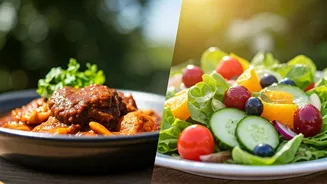
That post-snack slump is not just in your head. Heavy, oily foods are dense in fats and calories, which forces your digestive system to work overtime. The body diverts significant energy and blood flow to the stomach to break down these complex fats,
leaving you feeling lethargic, bloated, and sleepy. This process can also trigger mild inflammation and slow down your metabolism, contributing to that overall feeling of being 'weighed down'. While these comfort foods are a cherished part of our culture, especially during festive or rainy seasons, understanding their impact is the first step toward finding a happy, healthy balance.
Hydration: Your Secret Weapon
When we say hydration, we mean more than just hitting a daily water goal. Proper hydration is crucial for firing up your metabolism and aiding digestion. Water helps break down food, allowing your body to absorb nutrients more efficiently. It also plays a key role in flushing out toxins and preventing the constipation that can sometimes accompany a fat-heavy diet. To beat the oily overload, think of hydration as a continuous process. Start your day with a glass of warm water with lemon. Sip on coconut water, unsweetened herbal teas like peppermint or ginger, or even a thin, lightly-spiced buttermilk (chaas) throughout the day. These fluids not only hydrate but also provide electrolytes and digestive enzymes that actively soothe your system.
Embrace Seasonal Superstars
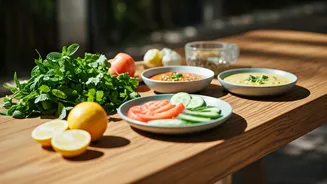
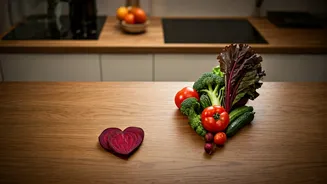
Nature is smart. The fruits and vegetables that grow in a particular season are often exactly what our bodies need to cope with its challenges. Monsoon produce, for instance, is typically light, easy to digest, and packed with immunity-boosting vitamins. Incorporating these into your diet can work wonders. Look for gourds like bottle gourd (lauki), ridge gourd (turai), and bitter gourd (karela), which are high in water content and fibre, aiding digestion and promoting a feeling of fullness. Fruits like jamun, peaches, and plums are rich in antioxidants that fight inflammation. A simple cucumber and tomato salad on the side of your meal adds crunch, hydration, and vital nutrients to help your body process heavier foods.
Simple Swaps and Smart Additions
Beating the overload isn't about deprivation; it's about smart strategy. You don't have to give up your favourite treats entirely. Instead, focus on balance. If you're having fried snacks in the evening, make sure your lunch was light and fibre-rich, like a simple dal and sabzi with brown rice. Try baking or air-frying your snacks instead of deep-frying them to reduce the oil content significantly. Another powerful trick is to 'crowd out' the heavy stuff. Fill half your plate with a colourful salad or steamed vegetables first. By loading up on nutrient-dense, high-fibre foods, you'll feel satisfied with a smaller portion of the oily dish. Pairing a samosa with a bowl of sprout salad is far better than having three samosas on their own.
Rethink Your Cooking Methods
The way you cook everyday meals can also make a huge difference. Instead of a heavy, oil-based curry, try a lighter stew or soup. Steaming, grilling, and stir-frying with minimal oil are excellent techniques for preserving nutrients while keeping meals light. When making your sabzis, start with a water-based 'tadka' (tempering) or use just a teaspoon of ghee or cold-pressed oil for flavour rather than cooking the entire dish in it. These small adjustments, applied consistently, reduce your daily oil intake without sacrificing the taste you love, leaving more room for an occasional indulgent treat without the subsequent guilt or sluggishness.