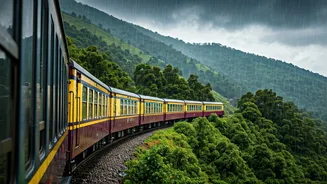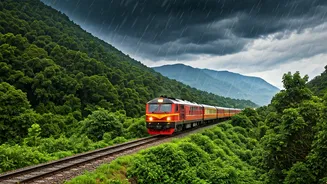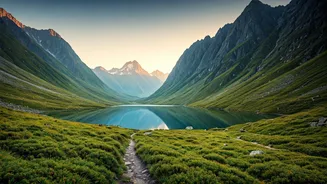





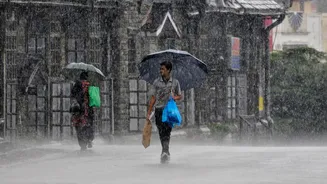



The Dream vs. The Reality
For generations of Indians, heading to the hills has been the quintessential summer escape. Places like Shimla, Manali, Mussoorie, and Nainital were synonymous with tranquility. Today, that picture is increasingly being replaced by images of bumper-to-bumper
traffic stretching for kilometres and overcrowded main streets. The phenomenon, often called 'overtourism', has become so pronounced that it's creating a new form of exhaustion. Travellers arrive seeking peace but instead find the same congestion and noise they were trying to leave behind. This discrepancy between the idyllic expectation and the chaotic reality is the core of hill rush fatigue, a weariness not just with the heat of the plains, but with the stress of modern tourism itself.
What's Fuelling the Overwhelming Rush?
Several factors are contributing to this annual pilgrimage turning into a logistical nightmare. Rising disposable incomes and better road connectivity have made these destinations more accessible than ever. The post-pandemic era saw a surge in what was termed 'revenge travel', an urgent desire to break free after long periods of confinement. More recently, severe and early heatwaves across North India have turned these mountain getaways from a luxury vacation into a seasonal survival plan for many families. The result is a massive influx of tourists that small hill towns, with their narrow roads and limited infrastructure, are simply not equipped to handle. Hotels report near-full occupancy, water resources are strained, and waste management systems are pushed to their breaking point.
A Shift in Wanderlust
The frustration is palpable, and it's starting to actively change how people plan their holidays. Instead of defaulting to the usual suspects, a growing number of travellers are deliberately seeking out the path less travelled. The conversation is shifting from 'where is everyone going?' to 'where can we go to avoid everyone?'. This has sparked a rising interest in quieter, lesser-known destinations. Travel portals and blogs are increasingly featuring lists of 'offbeat' and 'crowd-free' hill stations, catering to this new demand for peace and authenticity. The modern traveller, armed with information and weary of crowds, is becoming more intentional, looking for genuine connection over a checklist of popular sights.
The New Hillside Itinerary
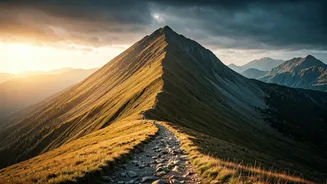
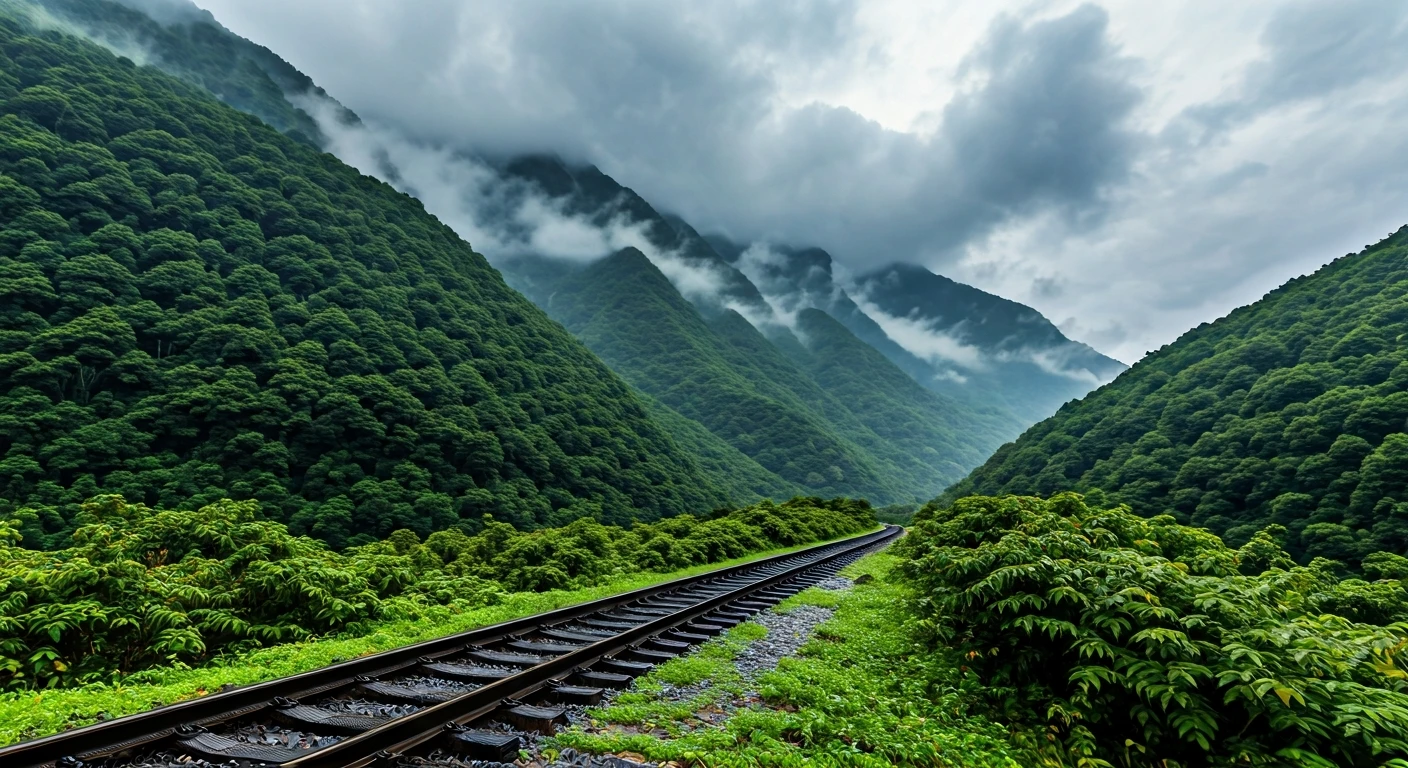
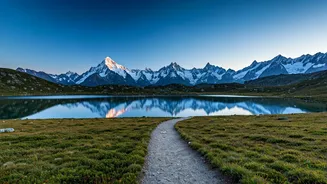
So, what does this new travel plan look like? It involves exploring places like Lansdowne or Kausani in Uttarakhand, Kalimpong in West Bengal, or Yercaud in Tamil Nadu. These destinations offer the same natural beauty and cool climes but without the overwhelming crowds. This trend also aligns with a global move towards 'slow travel', which prioritizes deeper immersion in a single location over a frantic, multi-city tour. Travellers are choosing to stay in locally-run homestays, explore the culture, and spend more time in nature rather than rushing between viewpoints. This conscious choice not only leads to a more relaxing vacation but also helps distribute tourist revenue more evenly, reducing the immense pressure on legacy destinations.