







A Significant Price Cut
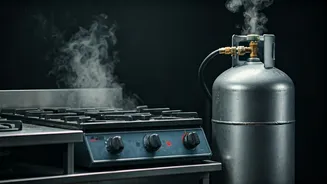
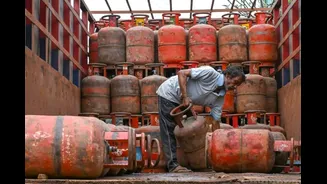
Effective July 1, 2026, oil marketing companies have slashed the price of 19-kg commercial LPG cylinders, a lifeline for the hospitality industry. In Delhi, for instance, the price was reduced by ₹183.50, bringing the cost of a cylinder down to ₹2,930.
This marks the first reduction in 2026, following a series of sharp hikes earlier in the year that saw prices climb dramatically due to global supply concerns. While this provides a much-needed breather for commercial establishments, the price of domestic LPG cylinders, used in homes, remains unchanged.
Why LPG Matters to Your Cafe
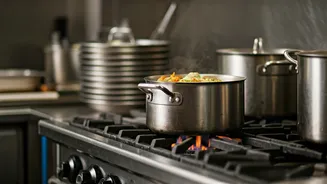
For any cafe, restaurant, or eatery, LPG is not just a utility but a critical and significant operating expense. From the espresso machine that steams your milk to the gas range used to cook sandwiches, toast, and other hot snacks, commercial kitchens run on this fuel. In recent months, restaurateurs have reported that LPG can account for up to 15% of their total kitchen expenses. Earlier in the year, a series of price hikes forced many small businesses to reduce staff, trim menus, and, in some cases, temporarily shut down. The sustained high costs put immense pressure on already thin margins, making this recent price cut a crucial development.
The Other Side of the Ledger
While the LPG price drop is good news, it's just one piece of a complex cost puzzle for cafe owners. The prices of other essential ingredients, from coffee beans and milk to vegetables and imported goods, continue to fluctuate. Add to this the persistent pressures of high rent in urban areas, rising staff salaries, and the commissions paid to food delivery platforms, and the financial picture becomes much more complicated. Many restaurant owners have stated that these other rising costs may prevent them from passing on the LPG savings directly to consumers. The sentiment across the industry is that one price cut, while welcome, doesn't erase the impact of months of sustained inflation across the board.
The View from the Industry
Restaurant associations and cafe owners have welcomed the move but are cautiously managing expectations. Many see the reduction not as an opportunity to lower menu prices, but as a chance to stabilize their finances and avoid further price hikes. An official from the National Restaurant Association of India (NRAI) noted that the reduction eases immediate pressure on operating costs and helps maintain current menu prices. After months of grappling with soaring expenses, the priority for many is to regain some financial footing. Some industry leaders have pointed out that for menu prices to come down, the price of a commercial cylinder would need to fall back to its pre-crisis levels of around ₹2,000, a long way from the current price of nearly ₹3,000.
So, Will Your Coffee Get Cheaper?
Realistically, do not expect the price of your cappuccino or favourite snack to drop overnight. The relief from the LPG price cut is more likely to be absorbed by the cafes to offset other increasing costs. The real benefit for you, the customer, is likely to be less visible but still important: stability. This reduction could help prevent or delay the next round of menu price increases that seemed almost inevitable just a few weeks ago. Instead of seeing your bill go up, you might just see it stay the same for a little while longer. In an inflationary environment, that in itself can be considered a small win for consumers.