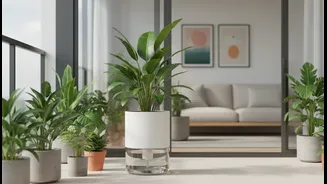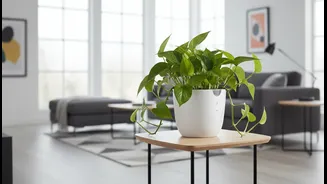




The Science of a Smarter Pot
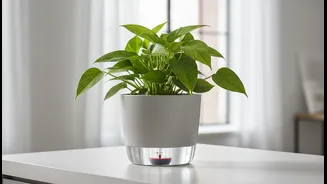
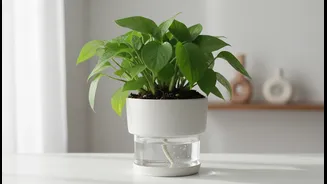
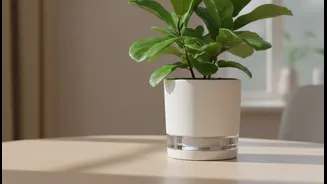
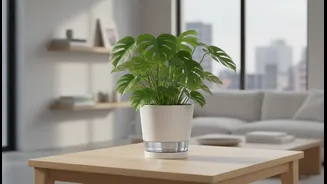
A self-watering planter isn’t magic, but it is clever. It consists of two main parts: an upper growing bed for the plant and soil, and a lower reservoir that holds a supply of water. The two are connected by a wicking system, often a piece of absorbent
rope or a porous material. This system uses a natural process called capillary action to draw water up from the reservoir into the soil as it begins to dry out. The plant’s roots then take up only as much moisture as they need, when they need it. This design brilliantly solves the two biggest challenges in container gardening: underwatering and overwatering.
More Than Just Convenience
The most obvious benefit is time-saving; you can go for days or even weeks without needing to water, depending on the plant and pot size. This is a lifesaver for frequent travellers or those with demanding schedules. But the advantages go deeper. Plants get consistent moisture delivered directly to their roots, which promotes healthier, stronger root systems compared to the shallow root growth often caused by sporadic top-watering. This also prevents the common issue of root rot, as the soil stays moist but isn't perpetually waterlogged. Furthermore, these planters conserve water because there's less evaporation from the soil surface and no runoff from the bottom of the pot. Since water and any dissolved nutrients stay within the closed system, you also end up using less fertiliser over time.
How to Choose Your Perfect Planter
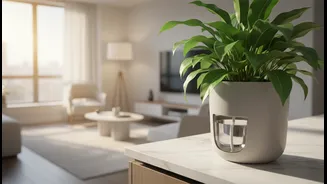
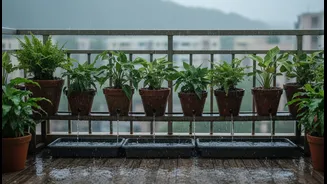
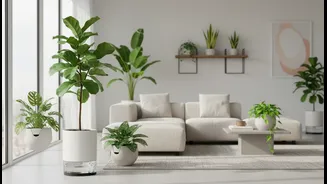
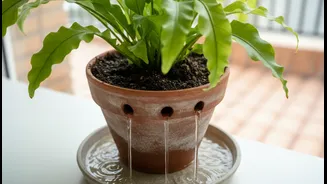
With a growing market, choosing the right planter can feel overwhelming. Start by considering where it will live. Outdoor planters need to be UV-resistant and have an overflow mechanism to handle rainwater. Indoor pots should have a reliable water-level indicator so you know when to refill. The size is crucial; pick a pot that suits the mature size of your plant, not just its current state. Materials range from plastic and resin to ceramic and metal, affecting durability and aesthetics. For most indoor uses, a good quality resin or plastic planter is lightweight, durable, and cost-effective. Check for features like a dedicated fill tube, which makes adding water much cleaner and easier.
The Right Plant for the Right Pot
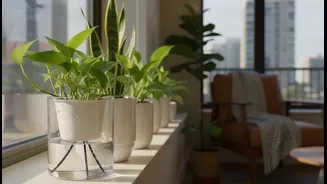
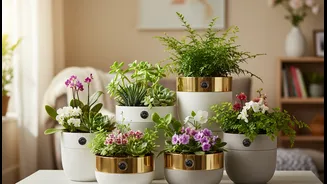
While versatile, self-watering planters are best for plants that prefer consistently moist soil. Think of tropical houseplants that thrive in humidity. Great choices for Indian homes include Peace Lilies, Pothos (Money Plant), Spider Plants, and various ferns. Many herbs like basil, mint, and parsley also do very well. However, these pots are not ideal for all plants. Drought-loving species like succulents and cacti need their soil to dry out completely between waterings, and the constant moisture in a self-watering pot can lead to root rot for them. Similarly, snake plants and ZZ plants, which are very drought-tolerant, are generally better off in traditional pots.
Tips for Success
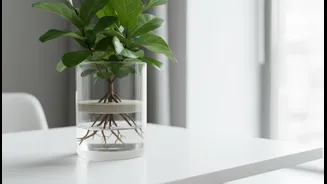
To get the most out of your planter, avoid a few common mistakes. First, use a light, well-draining potting mix, not heavy garden soil which can block the wicking action. When you first pot your plant, water it from the top to settle the soil and give the wicking system a kick-start. After that, only add water to the reservoir. Be careful not to overfill it; most have an indicator or overflow hole to guide you. Filling past this point can saturate the soil and suffocate the roots. Finally, while roots growing into the water reservoir isn't necessarily a problem, it's a good practice to let the reservoir go completely dry occasionally before refilling to allow for air exchange and prevent water from stagnating.