





Tyres: Your Connection to the Road
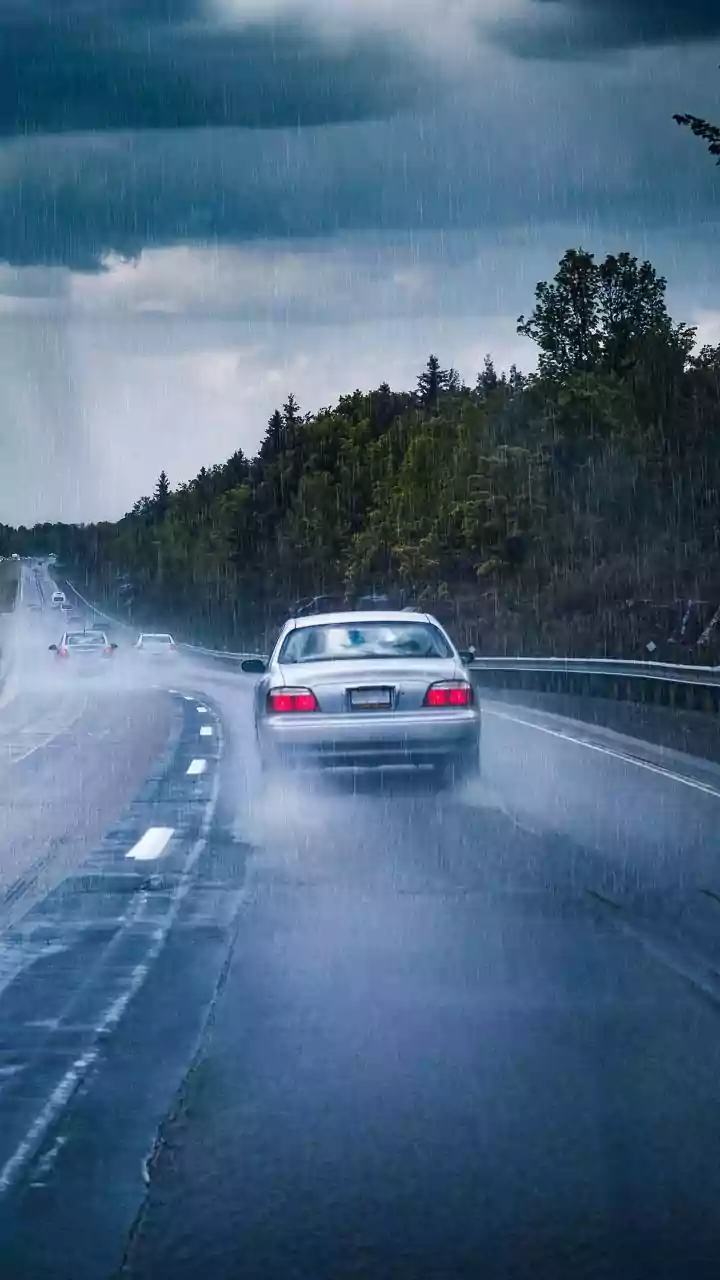
Your tyres are the single most critical safety component during the monsoon. Wet roads significantly reduce grip, increasing the risk of skidding or aquaplaning. Before you set off, inspect the tread depth. For monsoon driving, a depth of at least 3mm
is advisable to effectively channel water away. Also, check the tyre pressure, including the spare. Incorrect pressure affects handling and braking performance. Remember, rubber hardens with age, so if your tyres are over five years old, get them inspected by a professional even if the tread looks fine.
Brakes: Stopping Power When It Matters Most
Braking distance can increase dramatically on wet surfaces. It's vital to ensure your braking system is in perfect working order. Listen for any squealing or grinding noises, and pay attention to any sponginess in the brake pedal, as these are signs that your brake pads or fluid may need attention. Contamination of brake fluid with moisture, a higher risk in humid conditions, can seriously reduce braking effectiveness. After driving through waterlogged areas, gently tap your brakes a few times while moving slowly to help dry the brake components.
Visibility: Wipers, Lights, and Windscreen
In a heavy downpour, visibility can drop to near zero. Your wipers are your first line of defence. If they leave streaks, make noise, or skip across the glass, it's time to replace them. This is a cheap and easy fix that makes a world of difference. Top up your windshield washer fluid, preferably with a proper cleaning solution, to clear away oily road grime. Also, check all your lights: headlights, taillights, brake lights, and indicators. Clean headlamp covers can significantly improve brightness, ensuring others can see you clearly.
Electrical Systems and Battery
Moisture is the enemy of your car's electrical systems. High humidity can lead to corrosion on battery terminals and short circuits in wiring. The monsoon places a higher load on your battery due to the increased use of wipers, lights, and the defogger. Before your trip, have your battery checked, especially if it's more than three years old. Clean any corrosion from the terminals and ensure all connections are tight and secure.
AC and Defogger: Keeping Your Cabin Clear
A common monsoon problem is a fogged-up windscreen, which severely impairs vision. This is caused by the temperature difference between the inside and outside of the car. Your car's air conditioning system is the most effective tool to combat this. It removes moisture from the air inside the cabin. Ensure your AC is working correctly and know how to operate the defogger vents for both the front and rear windscreens. A clean cabin air filter will also improve AC performance.
Underbody and Interior: Guarding Against Rust and Leaks
The constant exposure to water and mud makes your car's underbody vulnerable to rust. An anti-rust underbody coating can provide a protective layer against corrosion. Inspect door seals and window beadings for any cracks or damage to prevent water from seeping into the cabin, which can lead to foul odours, mould, and damage to electronics. If your car has a sunroof, ensure the drain channels are clear to avoid a leaky roof.