






A Paradise Called Ziro
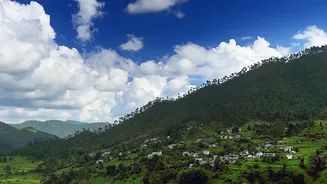
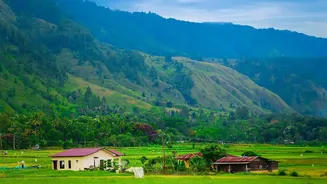
Tucked away in the lower Subansiri district of Arunachal Pradesh, Ziro Valley is a picture-perfect landscape of serene hills, dense pine forests, and sprawling terraced rice fields. It's not just the natural beauty that makes it special; the valley is home
to the Apatani tribe, a community renowned for its deep respect for nature and unique sustainable living practices. Their advanced system of wet rice cultivation combined with fish farming is so ecologically harmonious that the Apatani cultural landscape is a contender for a UNESCO World Heritage Site. For travellers, this offers more than just a pretty view; it’s a chance to witness a way of life that balances human needs with environmental preservation, a stark contrast to the bustle of urban India.
The Rise of the Eco Stay
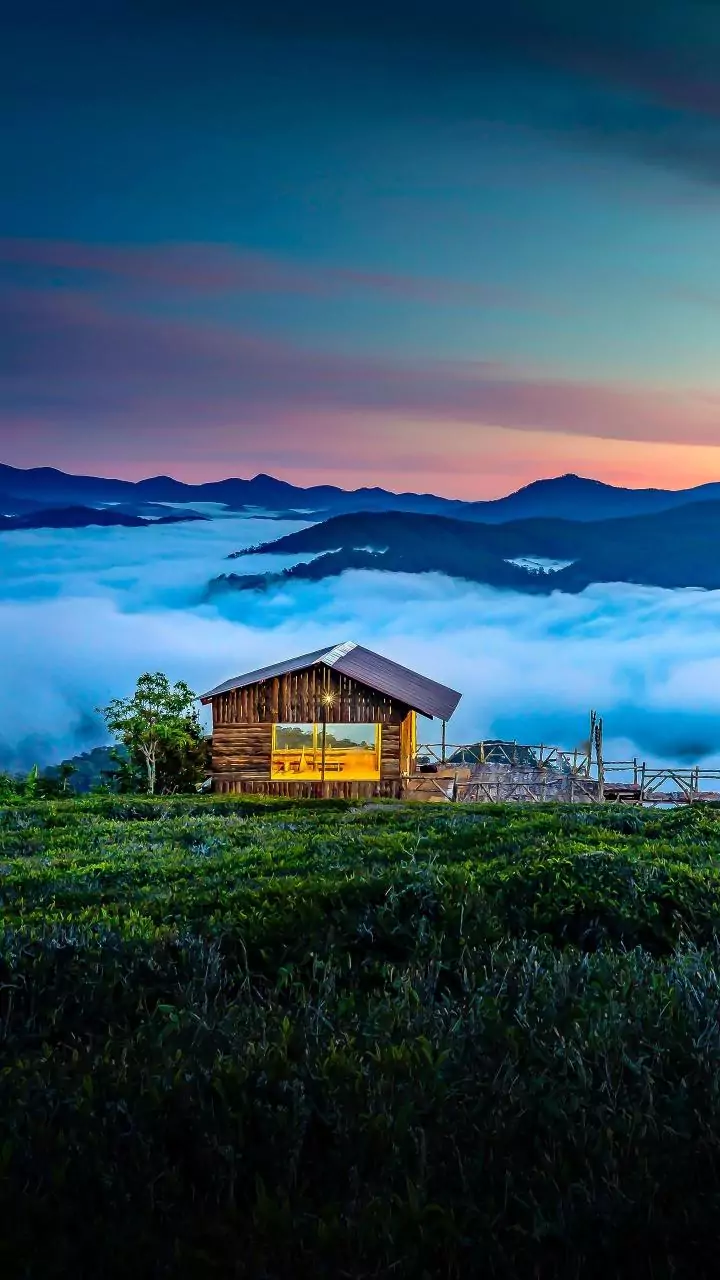
Forget generic hotels. The accommodation trend capturing the imagination of young visitors in Ziro is the eco-stay. These are not five-star resorts but authentic homestays and cottages built with locally sourced materials like bamboo. Staying in a traditional Apatani homestay offers a direct window into the local culture. It means waking up to the sounds of nature, sharing meals with a host family, and learning about their customs firsthand. These stays are designed to have a minimal environmental footprint, promoting responsible tourism practices like waste reduction and community support. This shift towards conscious travel resonates deeply with a younger demographic that prioritises experiences over simple sightseeing, seeking genuine connection and a chance to leave a place better than they found it.
Your Key to the Valley: The Inner Line Permit
Before you pack your bags, there's a crucial document every domestic tourist needs: the Inner Line Permit (ILP). Due to its proximity to international borders and to protect its unique tribal heritage, Arunachal Pradesh requires all non-resident Indian citizens to obtain an ILP to enter the state. Thankfully, the process has become incredibly straightforward. You can apply online through official government portals like eilp.arunachal.gov.in. You'll need a passport-sized photograph and a valid government ID like an Aadhaar card. The permit is typically issued for a specific duration, usually up to 30 days, and requires you to list the districts you plan to visit. It’s a small but essential step to ensure your journey into this protected paradise is smooth and legal.
More Than a Destination, It's an Experience
The appeal of Ziro extends far beyond its landscapes. The valley is a hub of cultural immersion. Travellers can explore Apatani villages like Hong, which is one of the largest in the region, and interact with the locals. A major draw for the younger crowd is the Ziro Festival of Music. Held annually in September, this four-day outdoor event brings together independent music acts from across the globe, performing on stages made of bamboo. The festival is a celebration of art, culture, and nature, with stalls serving local cuisine and handicrafts. It has become a significant driver of tourism, attracting thousands who camp under the stars and soak in the vibrant, eco-conscious atmosphere.
Why Ziro Resonates with Young India
So, what's behind this growing fascination with Ziro? It's a perfect storm of modern travel desires. Young Indians are increasingly looking for offbeat destinations that offer more than a checklist of sights. Ziro provides a sense of adventure and exclusivity—it's not the easiest place to get to, which makes the reward feel greater. The valley's commitment to sustainability and organic living aligns with a growing eco-consciousness. Furthermore, its stunning, unfiltered beauty is incredibly photogenic, yet the experience feels authentic and far from the commercialised tourist traps. It’s a journey that offers a rare combination of cultural depth, natural serenity, and a vibrant, youthful energy, making it a truly meaningful escape.