



An Ancient Grain, Not a Modern Fad
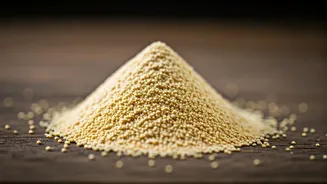
Long before quinoa and kale became buzzwords, ragi, or finger millet, was a cornerstone of diets across Southern India and parts of Africa. This resilient, drought-resistant crop has nourished generations, revered for its ability to provide sustained
energy. When we talk about ragi dosa, we aren't talking about a new-age health trend invented in a lab. We are talking about tapping into ancestral wisdom. It's a food that connects us to a more sustainable, traditional way of eating, celebrating a grain that has been a silent supporter of Indian agriculture and nutrition for centuries. By choosing ragi, you are embracing a piece of culinary history that is both profoundly local and incredibly powerful.
The Nutritional Powerhouse
Let’s get the obvious out of the way: ragi is exceptionally good for you. It is a nutritional champion, especially when compared to polished rice or refined wheat. Ragi is a fantastic source of calcium, crucial for bone health, making it an excellent food for children and adults alike. It's also rich in iron, helping combat anaemia, and packed with dietary fibre. This high fibre content aids digestion, promotes a feeling of fullness, and, most importantly, ensures a slow release of sugar into the bloodstream. This gives ragi a low glycemic index, making it a particularly smart choice for managing blood sugar levels and providing steady energy without the crash that comes from refined carbohydrates.
Beyond Health: The Flavour Experience
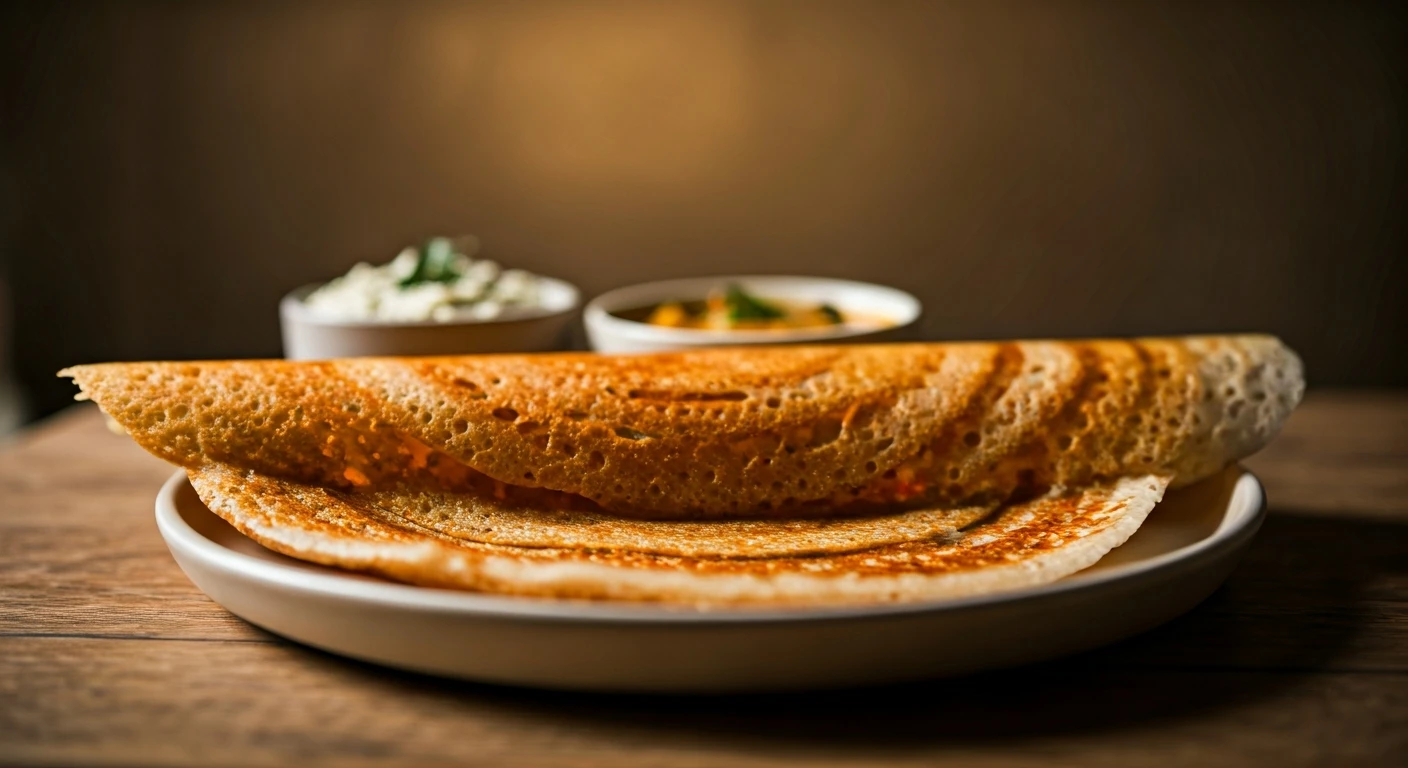
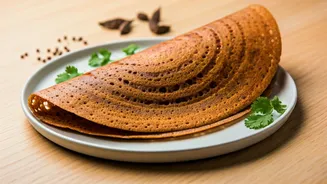
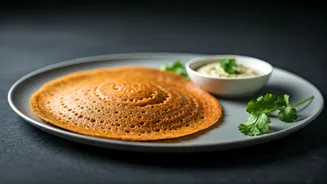
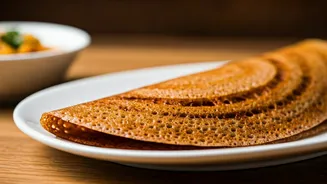
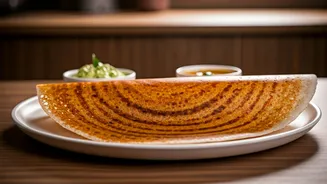
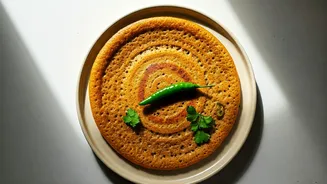
The main reason many people hesitate to try ragi is the misconception that it's bland or has an acquired taste. This couldn't be further from the truth, especially in dosa form. A well-made ragi dosa offers a complex, satisfying flavour profile. It has a deep, earthy, and slightly nutty taste that pairs beautifully with a variety of accompaniments. The texture is another highlight. When made correctly, a ragi dosa is wonderfully crisp on the outside, especially around the edges, while remaining soft and slightly spongy on the inside. It’s this textural contrast that makes each bite so delightful. It doesn’t just mimic a regular dosa; it offers a unique and arguably more interesting eating experience.
Versatile, Forgiving, and Easy to Make
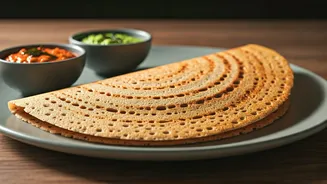
Making ragi dosa is surprisingly straightforward, and it's a wonderfully versatile dish. You can go the traditional route by fermenting a batter made from ragi flour and urad dal, which enhances its nutritional value and gives it a tangy flavour. But if you’re short on time, instant ragi dosa is a fantastic option. Simply mix ragi flour with rice flour, semolina (sooji), buttermilk, and spices to create a thin batter that can be used immediately. This instant version becomes lacy and incredibly crisp. Ragi dosa is a perfect canvas for other flavours. Serve it with a classic coconut chutney and sambar, or get creative with a spicy tomato-onion chutney, a cooling mint-coriander dip, or even a simple podi mixed with ghee or oil.
Tips for the Perfect Ragi Dosa
To ensure your ragi dosa adventure is a success, keep a few tips in mind. For the fermented version, ensure your batter is not too thick; it should be of a pourable, yet not watery, consistency. For instant dosa, the batter needs to be very thin, almost like water, to achieve that signature crisp, net-like texture. Always use a well-seasoned cast-iron tawa or a good non-stick pan heated to the right temperature—not smoking hot, but hot enough that a drop of water sizzles and evaporates instantly. Finally, be patient. Let the dosa cook and crisp up on one side before attempting to fold or remove it. This patience is the key to achieving that perfect crunch.