




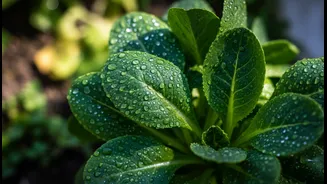


The Unseen Risks in Rainy Greens
During the monsoon, the combination of high humidity, damp soil, and stagnant water creates a perfect breeding ground for microbes. Leafy vegetables like cabbage and kale, with their broad leaves and tight crevices, are particularly vulnerable. Grown
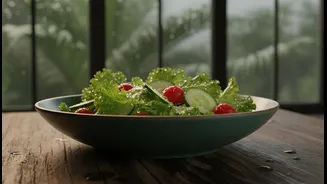
close to the ground, they easily trap mud, soil-borne pathogens, and moisture, making them difficult to clean thoroughly. This environment encourages the growth of bacteria and fungi, while also attracting pests that can lay eggs or larvae within the leaves. Even vegetables that look clean can harbour these unseen contaminants, posing a significant health risk when consumed raw.
Know Your Enemy: Bacteria and Parasites
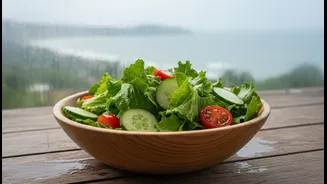
The primary concern with raw leafy greens during the monsoon is contamination with harmful bacteria and parasites. Common culprits include E. coli, Salmonella, and Listeria, which can cause food poisoning, diarrhoea, and severe stomach infections. The damp conditions are also ideal for the proliferation of parasites and their eggs, which can hide in the folds of cabbage and kale leaves. Thorough washing, while essential, may not be enough to dislodge all these microscopic threats, especially those nestled deep within the vegetable's structure. The increased moisture makes it easier for these pathogens to thrive and multiply, turning a healthy salad into a potential source of illness.
Steaming: Your Simple, Powerful Defence
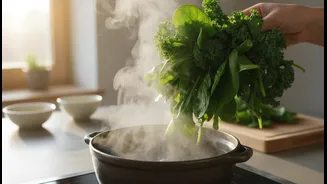
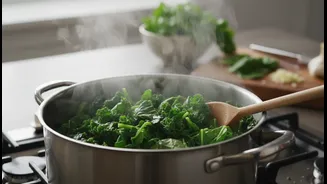
This is where steaming comes in as a crucial defensive measure. Applying steam is one of the most effective ways to kill harmful bacteria, viruses, and parasites on the surface of vegetables. The heat from the steam, which is hotter than boiling water, penetrates the vegetable's layers and sanitises them without turning them into a mushy, overcooked mess. Unlike boiling, which can leach many water-soluble vitamins into the water, steaming is a gentler cooking method that helps retain more of the vegetable's texture, colour, and nutritional value. It offers a perfect balance, ensuring your greens are safe to eat while preserving much of their natural goodness.
But What About The Nutrients?
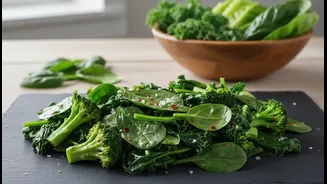
A common concern is that cooking vegetables destroys their nutrients. While it's true that some heat-sensitive vitamins, like vitamin C, can be reduced during cooking, the overall picture is more complex. Firstly, the food safety benefits of killing harmful pathogens during the monsoon far outweigh the minor nutrient loss from a quick steam. Secondly, steaming is one of the best cooking methods for nutrient retention, preserving significantly more vitamins and minerals than boiling. In some cases, cooking can even make certain nutrients, like beta-carotene, more available for your body to absorb. Therefore, lightly steaming your cabbage and kale is a smart compromise that prioritises safety without significant nutritional sacrifice.
How to Steam for Safety and Flavour
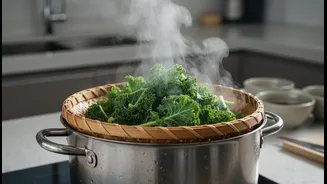
The process is simple but requires a few key steps. First, always wash your vegetables thoroughly under running water, separating the leaves to remove any visible dirt or grit. Some experts recommend a brief soak in salt or vinegar water for a deeper clean. Then, place the chopped cabbage or kale in a steamer basket over boiling water. Be careful not to overcrowd the basket, allowing the steam to circulate freely. Steam for just a few minutes—until the leaves are slightly wilted but still retain a vibrant colour and a slight crunch. This quick blast of heat is enough to neutralise the microbial threats while keeping the vegetables delicious and largely nutritious.