








What Are Glucose Monitors?
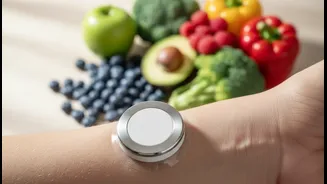
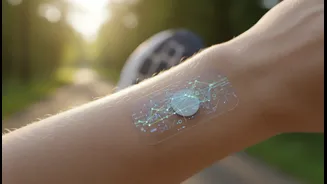
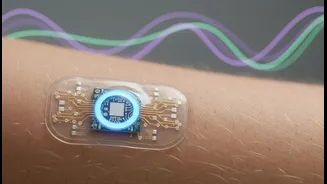
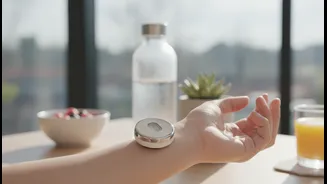
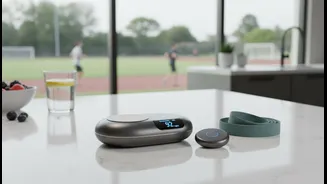
A continuous glucose monitor, or CGM, is a small wearable device that tracks your blood sugar (glucose) levels in real time. Traditionally used by people with diabetes to manage their condition, a CGM works via a tiny sensor inserted just under the skin,
usually on the back of the arm. This sensor measures the glucose in the fluid between your cells every few minutes and sends the data wirelessly to a smartphone app. This provides a constant stream of information, showing how your glucose levels rise and fall throughout the day in response to food, exercise, stress, and sleep.
The Pitch: Why Healthy People Are Interested
A growing number of companies are now marketing CGMs directly to healthy individuals, framing them as the ultimate bio-hacking tool for personal optimisation. The promise is that by understanding your unique metabolic response, you can fine-tune your lifestyle for peak performance and long-term health. Proponents claim that keeping glucose levels stable can lead to benefits like sustained energy, avoiding afternoon slumps, improved athletic performance, better sleep, and even weight management. For athletes, the idea is to use real-time data to perfect fuelling strategies before, during, and after training to maximise endurance and recovery. Some companies in India, like Ultrahuman, are developing platforms that use CGM data to provide metabolic scores and health nudges.
The Evidence: Fad or a Glimpse of the Future?
While the concept is compelling, the scientific consensus on the benefits for healthy, non-diabetic individuals is still limited. Many endocrinologists and doctors remain cautious, noting a lack of robust evidence showing that this level of monitoring leads to better health outcomes for the general population. Experts point out that glucose fluctuations are a normal part of how a healthy body functions. For example, a temporary glucose spike after exercise is a normal physiological response, not necessarily a sign of a poor diet. Misinterpreting this data without clinical context could lead to unnecessary anxiety or misguided dietary restrictions. However, some research suggests short-term use, especially with professional guidance, could be beneficial for individuals with prediabetes or a family history of metabolic issues, helping them make positive behavioural changes.
The Downsides: Cost and Data Overload
Before jumping on the trend, it's important to consider the drawbacks. The most significant is cost. Without a medical diagnosis like diabetes, CGMs are typically not covered by insurance. This means users bear the full expense, which can amount to several thousand rupees per month for the sensors, which need regular replacement. Another potential issue is the psychological impact. Constant data can lead to information overload or 'health anxiety', where users become overly focused on normal, minor fluctuations in their glucose levels. There is also a risk of focusing on one metric—glucose—at the expense of a more holistic view of health that includes balanced nutrition, mental well-being, and consistent physical activity.