
Understanding the Solar Threat
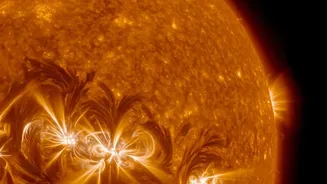
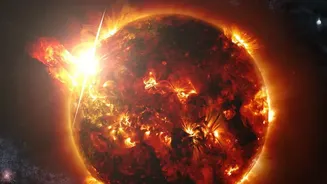
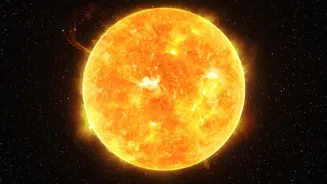
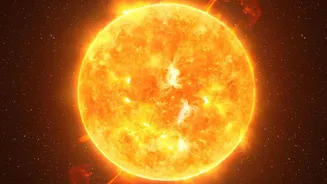
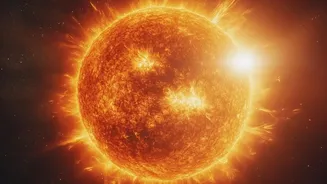
Our Sun is not always the calm, life-giving star it appears to be. It can produce massive explosions called solar flares and coronal mass ejections (CMEs). A solar flare is an intense burst of radiation, the light from which reaches Earth in about eight
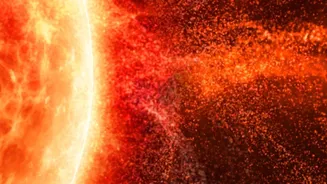
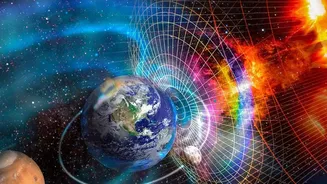
minutes. A CME, however, is a much larger eruption, sending a billion-tonne cloud of magnetised plasma hurtling through space. If a CME is aimed at Earth, it can trigger a geomagnetic storm, a major disturbance of our planet's magnetic field that can wreak havoc on technology. These storms can damage power grids, disrupt GPS and radio communications, and endanger satellites and astronauts.
The First Glimpse from Afar
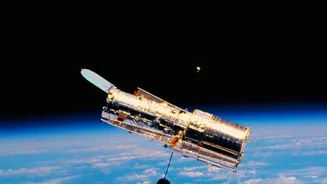
Our first line of defence consists of satellites that stare directly at the Sun. Observatories like NASA's Solar Dynamics Observatory (SDO) and the joint NASA/ESA Solar and Heliospheric Observatory (SOHO) constantly monitor the Sun's surface. They use instruments called coronagraphs to block out the Sun's bright face, allowing them to spot CMEs as they erupt from the solar atmosphere. When they see a flare, the X-rays arrive at Earth minutes later, providing the very first indication that a solar event is underway. This initial observation tells us something has happened, but the biggest threat—the CME—is still traveling.
The Crucial L1 Outpost
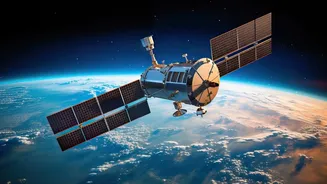
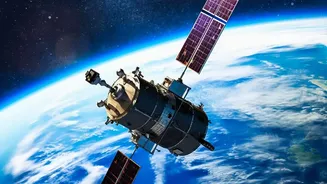
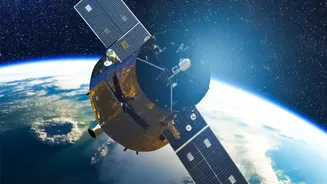
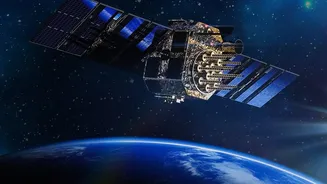
To get a true early warning, we need to know if that cloud of plasma is heading our way. For this, scientists rely on satellites placed at a special spot in space called Lagrange Point 1 (L1), about 1.5 million kilometres from Earth in the direction of the Sun. At L1, the gravitational pull of the Sun and Earth balance out, allowing a spacecraft to 'hover' with minimal fuel. Satellites like NOAA's Deep Space Climate Observatory (DSCOVR) are positioned here. They act like buoys in space, measuring the solar wind—the constant stream of particles from the Sun. When a CME passes by, these satellites detect the change in speed, density, and magnetic field of the particles.
India's Eye on the Sun: Aditya-L1
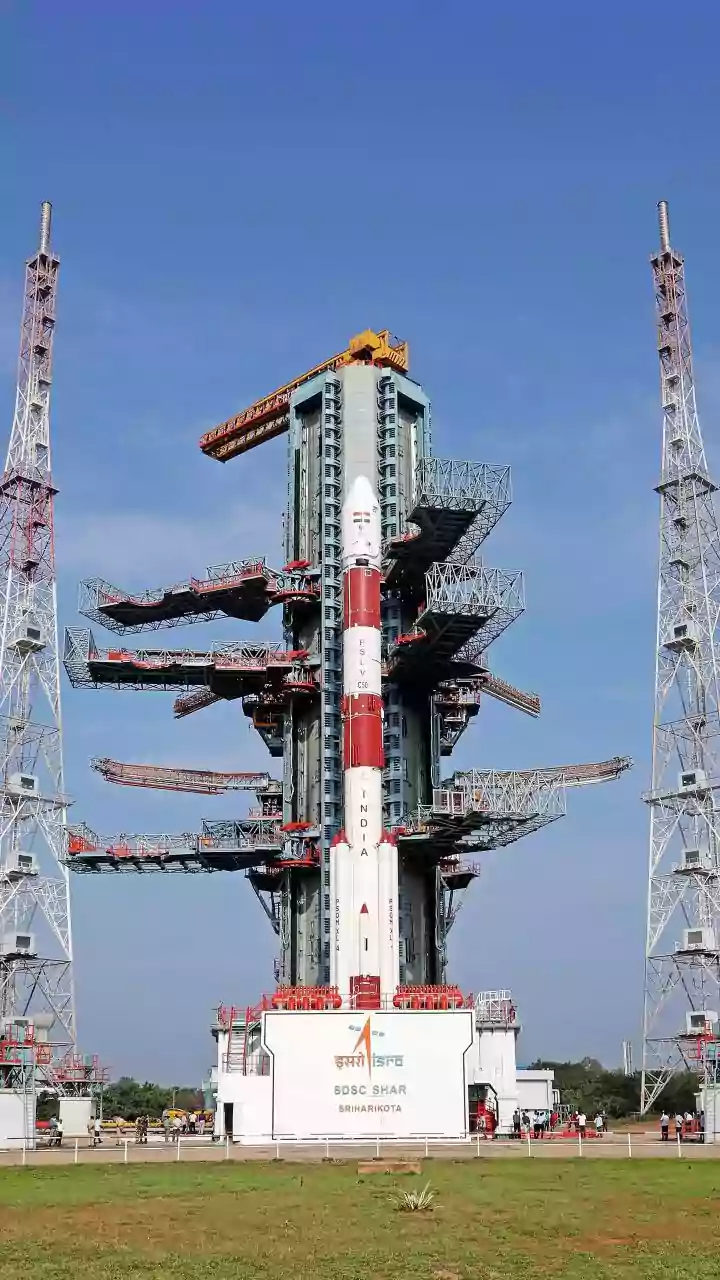
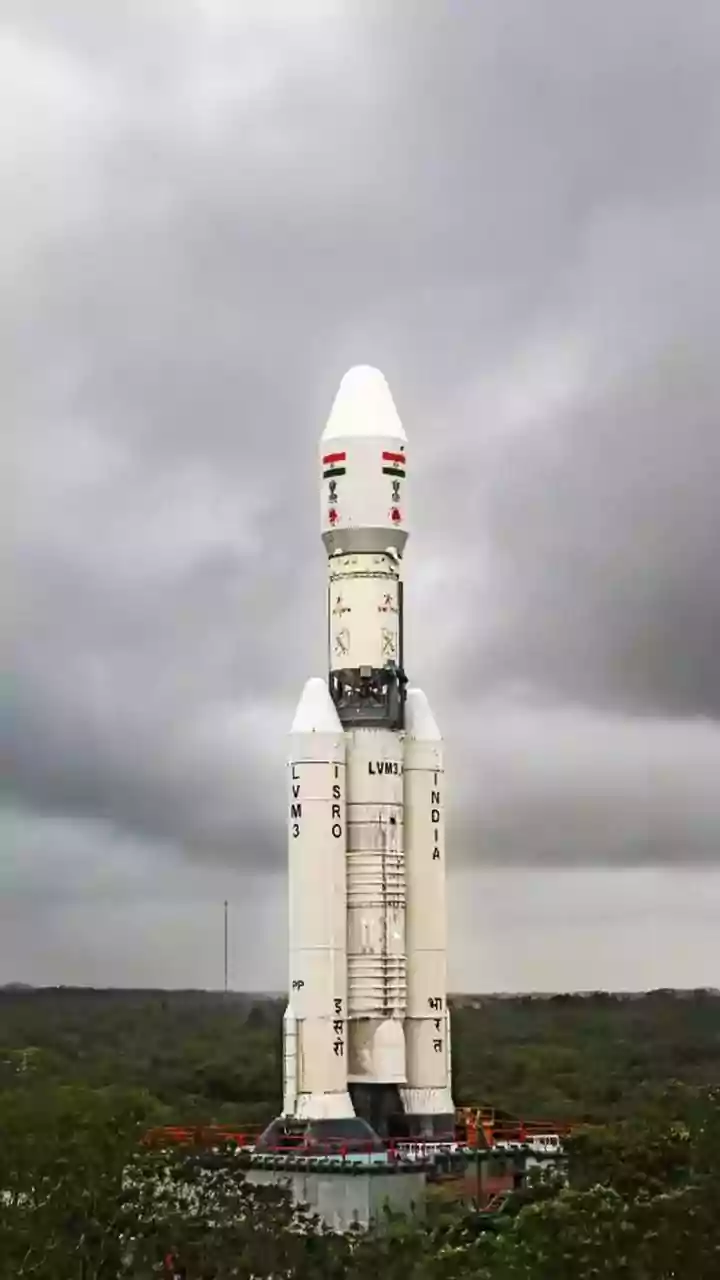
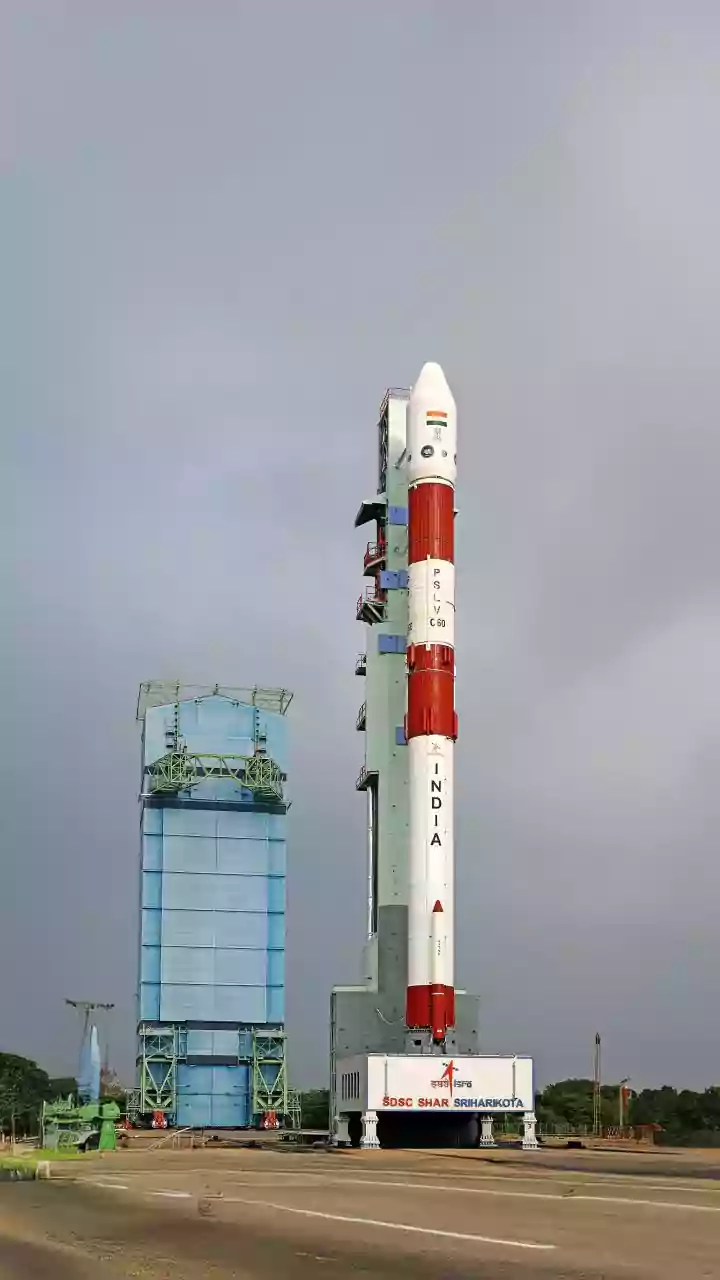
India has proudly joined this exclusive club of space-weather-watching nations with its own sophisticated observatory, Aditya-L1. Launched by ISRO, Aditya-L1 is also stationed at the L1 point, giving it an uninterrupted view of the Sun. It carries a suite of advanced instruments to study the Sun's atmosphere and track solar eruptions. By providing its own real-time data on the solar wind and CMEs, Aditya-L1 not only enhances our global monitoring capabilities but also provides crucial, independent information to protect India's own rapidly growing infrastructure of satellites, communication networks, and power grids.
From Data to Actionable Warning
Because L1 is so far from Earth, a CME that passes a satellite there gives us a precious lead time—typically between 15 and 60 minutes—before it impacts our planet's magnetic field. This data is beamed back to agencies like NOAA's Space Weather Prediction Center (SWPC) in the US and to ISRO. Forecasters there use the data, along with computer models, to predict the storm's arrival time and potential severity. This warning is then issued to power grid operators, satellite companies, airlines, and other critical industries, giving them a chance to take protective measures, such as rerouting flights, putting satellites in a safe mode, or stabilising power grids to prevent blackouts.