

The New Sweetscape
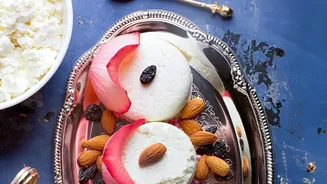
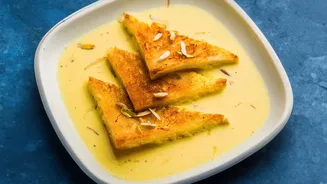
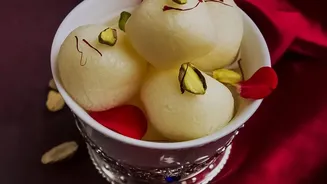
Forget a simple sprinkle of cardamom. Today’s home bakers are deconstructing and reassembling Western classics with the building blocks of Indian mithai. Imagine a classic Latin American Tres Leches cake, but soaked in the fragrant, saffron-infused milk
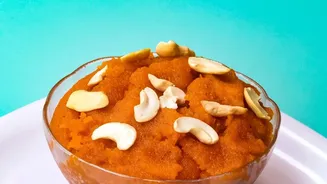
of Rasmalai. Picture a New York-style cheesecake, but with a surprise centre of soft, syrupy Gulab Jamun. These aren't just one-off experiments; they are part of a growing movement that is redefining festive and everyday treats. From Motichoor Ladoo parfaits to Gajar Halwa crumble tarts, kitchens are turning out desserts that speak a global language with a proud Indian accent.
A Pandemic-Fueled Phenomenon
Much of this creative explosion can be traced back to the pandemic. The lockdowns saw a significant surge in home baking across the country, as people with more time on their hands turned to their kitchens for comfort and creativity. This period allowed many amateur bakers to hone their skills, experiment with flavours, and even turn their passion into small businesses. Social media platforms like Instagram became virtual shop windows, showcasing these innovative creations and connecting bakers with a new audience hungry for something different. This digital marketplace fostered a community of shared ideas and friendly competition, pushing the boundaries of what a home-baked dessert could be.
The Indian Palate, Reimagined
So, why has this trend resonated so deeply? It’s a delicious solution to a modern dilemma: the desire for both novelty and nostalgia. The contemporary Indian palate is global, exposed to international food trends through travel and media. Yet, the comfort of familiar flavours—the cardamom from a grandmother's kheer, the saffron from a festive sweet—remains deeply ingrained. Fusion desserts perfectly bridge this gap. They offer the excitement and sophistication of a Western dessert format while delivering the beloved tastes of home. A Chai Crème Brûlée, for example, combines French technique with the quintessential Indian beverage, creating something that is at once innovative and deeply comforting.
A Pantry of Possibilities
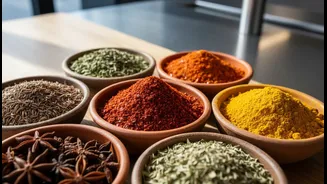
The creativity extends beyond just mithai. Bakers are digging deep into the Indian pantry. Jaggery is being used as a healthier, more complex alternative to refined sugar in brownies and cakes. Ghee is adding a nutty richness to shortbreads and cookies. Spices like ginger, cinnamon, and fennel are being used in nuanced ways, moving beyond the simple 'masala' label to create sophisticated flavour profiles in everything from cupcakes to tarts. Entire dessert concepts are being built around Indian ingredients, like Paan-flavoured Panna Cotta or Thandai-spiced mousse, showcasing the versatility and depth of the nation's culinary heritage.
More Than Just a Recipe
Ultimately, this trend is about more than just food; it's a reflection of a modern Indian identity. It signifies a confidence that allows for playful and respectful blending of cultures. It's not about replacing traditional mithai, but about expanding the definition of what an Indian dessert can be. These home bakers are acting as cultural ambassadors, creating edible stories that celebrate both heritage and innovation. They are proving that a cake can be both a globally understood comfort food and a deeply personal expression of Indianness. Each Rasmalai cake or Gulab Jamun cheesecake is a small but delicious testament to a culture that is constantly and confidently evolving.