

Meet the Mysterious Planet
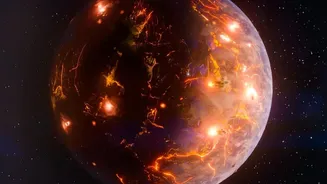
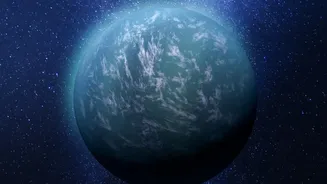
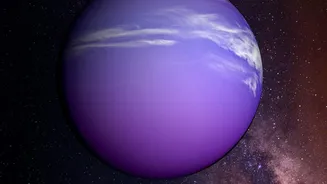
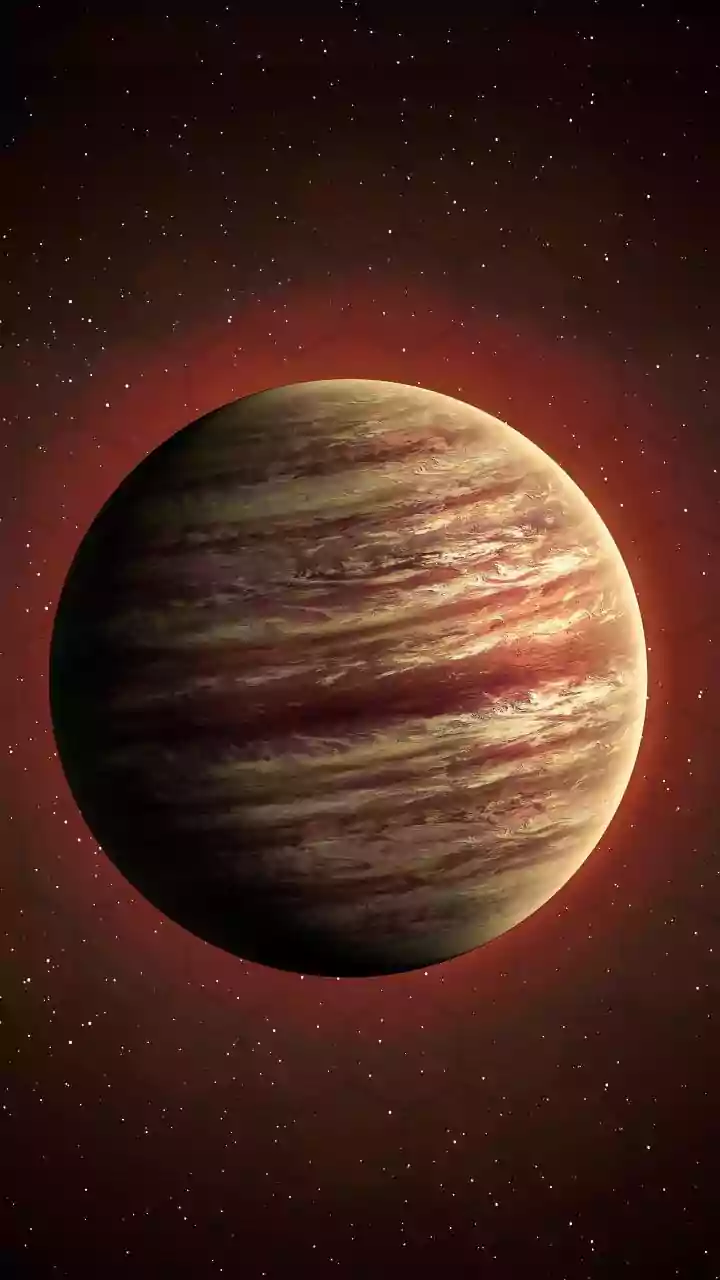
The subject of this cosmic inquiry is Gliese 1214 b (GJ 1214 b), a planet located about 52 light-years away. Classified as a 'super-Earth' or 'mini-Neptune', it's larger than Earth but smaller than Neptune, weighing about seven times as much as our home
world. For over a decade, this planet has been an enigma. Scientists knew it was shrouded in a thick layer of clouds or haze, which stubbornly blocked previous attempts by telescopes like Hubble to see what lay beneath. GJ 1214 b orbits its red dwarf star every 38 hours, making it far too hot to host liquid water oceans as we know them. However, the possibility that its thick, steamy atmosphere could be rich in water has kept astronomers intrigued.
A Breakthrough with Infrared Eyes
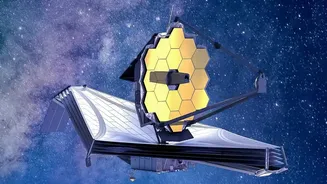
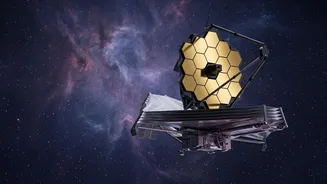
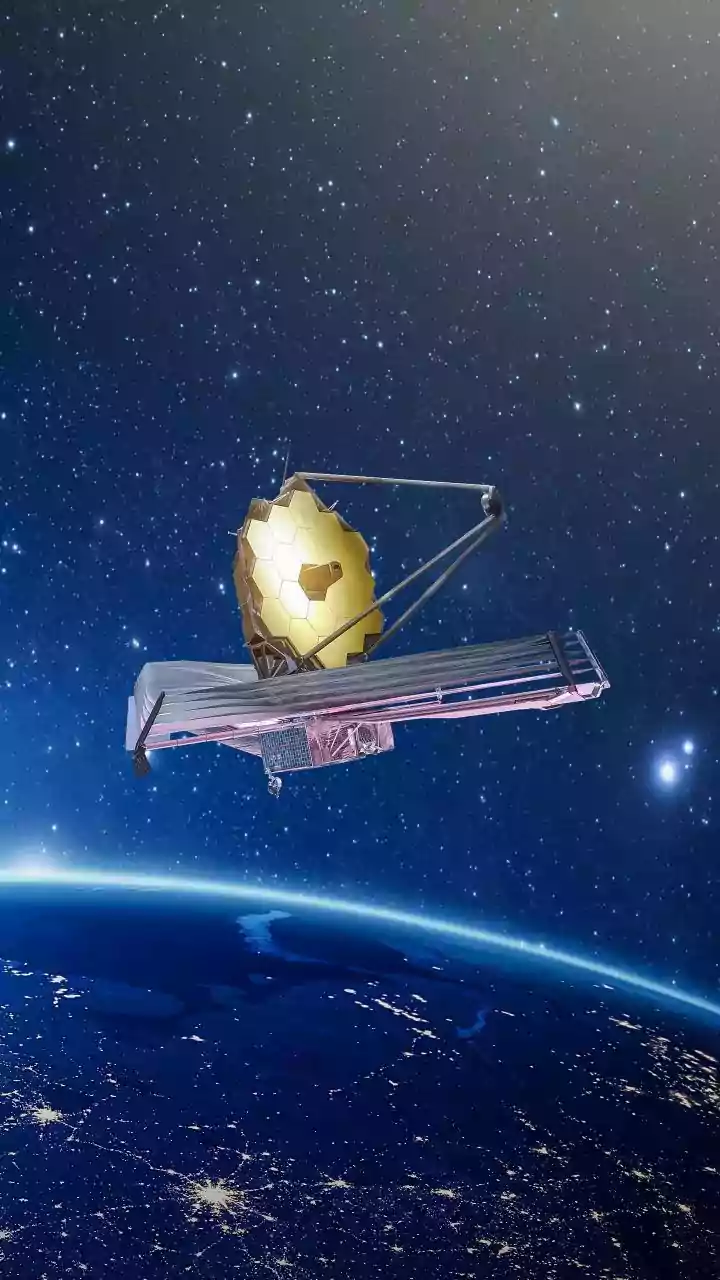
Enter the James Webb Space Telescope (JWST). Its powerful infrared instruments can pierce through cosmic dust and haze that are opaque to other telescopes. By observing GJ 1214 b for nearly its entire orbit, scientists used Webb's Mid-Infrared Instrument (MIRI) to create a 'heat map' of the planet. This revealed the temperatures on both its permanent day and night sides. The significant temperature difference—swinging from 279°C on the day side to 165°C at night—is a critical clue. Such a large shift is only possible in an atmosphere composed of heavier molecules, like water or methane, rather than lighter hydrogen gas. This data provided the first clear evidence that GJ 1214 b possesses a substantial atmosphere rich in heavy elements, with strong indications of water vapour.
The Technology of Distant Discovery
The technique behind this discovery is a marvel of modern astronomy. As an exoplanet passes in front of its star from our viewpoint, a method called 'transmission spectroscopy' is used. Starlight filters through the planet's atmosphere, and the chemical elements within that atmosphere absorb specific wavelengths (or colours) of light. This leaves a unique chemical fingerprint in the light that reaches the telescope. For GJ 1214 b, scientists also employed 'emission spectroscopy' by creating a heat map as the planet orbited. This allowed them to analyze the infrared light emitted by the planet itself, unveiling details about how it distributes heat and the composition of its atmosphere. This ability to track a planet through its full orbit and analyze its atmospheric dynamics represents a new frontier in exoplanet science, enabled by the JWST's advanced capabilities.
Why Finding Water Vapour Matters
Detecting water vapour, even on a scorching hot planet, is a monumental achievement. While GJ 1214 b is not habitable in the way we understand it, confirming a water-rich atmosphere is a crucial proof of concept. It demonstrates that we have the technology to find water on rocky or water-rich worlds far beyond our solar system. The presence of water vapour also provides clues about the planet's history. Scientists theorize that GJ 1214 b may have formed farther away from its star, where water and ice were plentiful, and later migrated inward to its current, blazing-hot orbit. This discovery helps refine theories about how planetary systems form and evolve. Each detection builds a more detailed picture of planetary diversity across the galaxy.
A New Era in the Search for Life
This success with GJ 1214 b is more than just a single discovery; it marks the dawn of a new era for astronomy. The James Webb Space Telescope is fulfilling its promise to characterize the atmospheres of exoplanets, including smaller, rocky worlds that were previously difficult to study. While some findings, like those for super-Earth 55 Cancri e, suggest atmospheres replenished by magma oceans, the confirmation of a water-vapour-rich atmosphere on GJ 1214 b is a significant milestone. It shows that planets with atmospheres unlike the gas giants in our solar system are within our observational reach. As the telescope continues its mission, each new atmospheric profile will help astronomers narrow the search for potentially habitable environments and answer the age-old question: are we alone in the universe?