




Why You Are the Expert
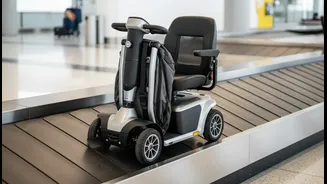
For many travellers with disabilities, the moment you hand over your personal wheelchair or scooter at the aircraft door is filled with anxiety. While airlines are required to handle these essential devices, ground crews handle thousands of bags and may
not be familiar with the specifics of your particular model. Improper handling is a leading cause of damage, which can derail a trip and compromise your independence. The simple truth is that you are the expert on your own equipment. By providing clear, concise, and accessible instructions, you bridge the knowledge gap for the handling team, turning them into informed partners in protecting your device. This proactive step is one of the most powerful tools you have to ensure your mobility aid arrives safely.
Create Your 'Handling Bible'
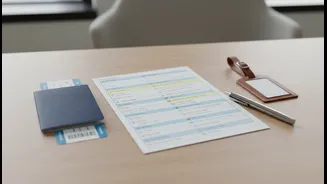
Don't leave things to chance. Before your trip, create a comprehensive, one-page information sheet for your mobility aid. Think of this as the user manual for the baggage handlers. Many airlines have their own forms you can fill out in advance, often called a Mobility Device Handling Form or similar. Some, like Air India, have specific online forms for battery-powered wheelchairs that should be submitted at least 48 hours before travel. Whether you use an official form or create your own, make sure it is clear and easy to read. Include a colour photograph of the device. Laminate the sheet for durability and use a zip tie to securely attach it to a visible, non-removable part of your chair. Have a second copy to hand to the gate agent. This document is your best advocate when you're not there.
What to Include in Your Instructions
Your instruction sheet should be a quick reference guide. At the top, include your name and contact information. Then, list the essential details: the make, model, weight, and dimensions of your device. For power wheelchairs, battery information is critical. Specify the battery type (e.g., dry cell, gel cell, lithium-ion) and instructions for disconnecting it, if necessary. Use clear, simple language and bullet points for instructions on how to operate the chair, such as how to switch it into freewheel or manual mode. Use 'Do' and 'Don't' lists. For example: "DO lift by the frame," and "DO NOT lift by the armrests or joystick." Consider adding labels directly onto your chair with bright, 'fragile' tape pointing to sensitive components like the joystick. The goal is to make safe handling the easiest option.
Pre-Flight Communication is Key
Your preparation should begin long before you arrive at the airport. When you book your ticket, or at least 48 hours before your flight, contact the airline's special assistance department. Inform them you will be travelling with a personal mobility device and provide its key details. This is a legal requirement in India, as per the Directorate General of Civil Aviation (DGCA), to ensure the airline can make necessary arrangements. At the airport, go to the check-in counter rather than a kiosk. Ask the agent to add a gate-check tag, which ensures the device is brought back to you at the aircraft door upon arrival, not sent to baggage claim. Reconfirm your needs and take the opportunity to show the staff your instruction sheet.
At the Gate and Before You Board
Before you hand over your device, take dated photos or a quick video of its condition. This documentation can be invaluable if you need to file a damage claim. Remove all loose items like cushions, side guards, cup holders, and storage bags. Carry these items onboard with you to prevent them from getting lost or damaged. If possible, remove and carry on the joystick controller, as this is one of the most frequently damaged parts. Just before you board, speak directly with the ground crew who will be taking your chair. Briefly walk them through the key points on your instruction sheet. A moment of personal communication can make a significant difference. Don't board until you feel confident they understand how to handle your aid.