





What Is the Seated Row?
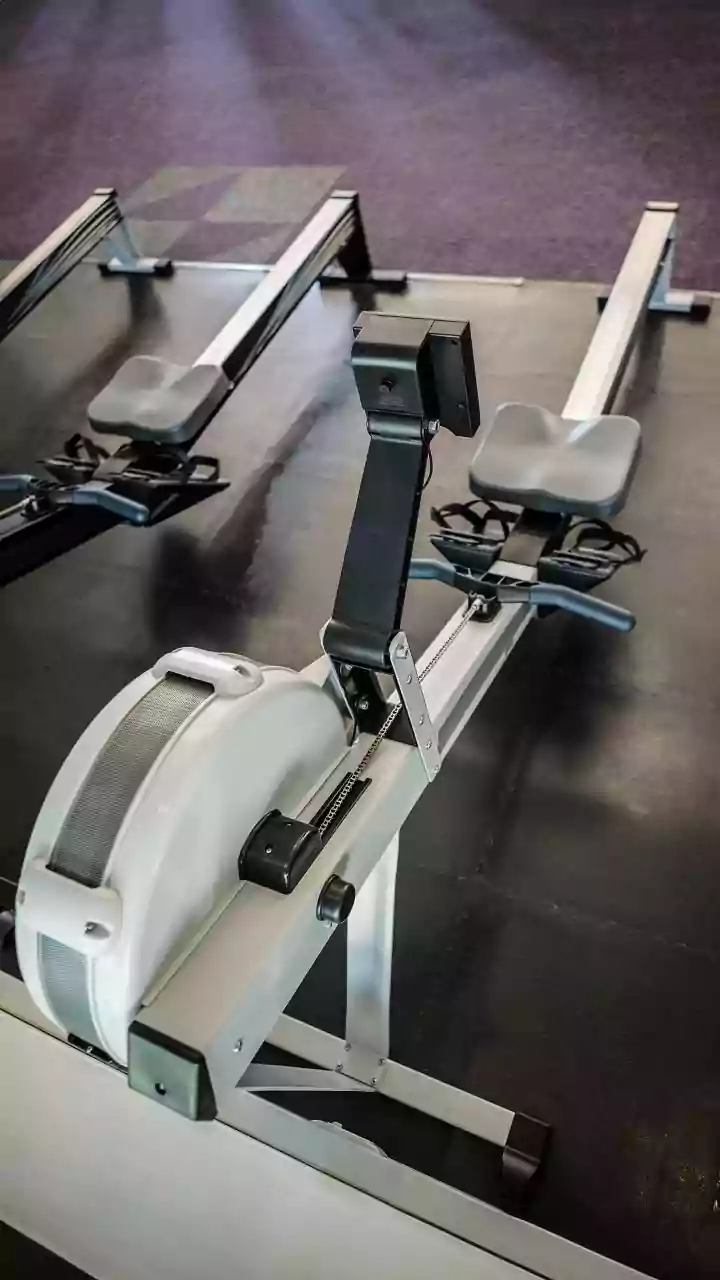
The seated row is a classic strength training exercise performed on a cable machine or a dedicated row machine. You sit on a bench, brace your feet, and pull a weighted handle toward your torso. It's a compound movement, meaning it works multiple muscles
at once. The primary targets are the large muscles of the back, including the latissimus dorsi (lats), which run down the sides of your back, and the rhomboids and trapezius muscles, located between your shoulder blades. Your biceps and forearms also get a workout as secondary movers, assisting with the pull. Because you are in a stable, seated position, it is an excellent and safe way to build back strength for people at all fitness levels.
The Core Benefit: No Momentum Needed
The headline's claim is the seated row’s greatest strength. Many back exercises, like bent-over barbell rows, can be cheated by using your hips and lower back to swing the weight up. This use of momentum takes the strain off the muscles you're actually trying to train. The seated row, especially on a machine with a chest pad, locks your torso in place. This stability forces your back muscles to do all the work. By removing the ability to swing or jerk the weight, you ensure that every repetition provides controlled, quality tension directly to the lats and rhomboids, which leads to better muscle growth and strength gains. Using excessive momentum not only cheats you out of results but also increases the risk of lower back strain.
How to Perform the Seated Row Correctly
Proper form is everything. Start by selecting a light weight to master the movement. Sit on the bench with your knees slightly bent and feet firmly on the footpads. Sit up straight with a neutral, flat back and engage your core. Extend your arms to grab the handle, then pull your shoulders back and down, away from your ears. Exhale and pull the handle toward your stomach, focusing on driving your elbows back past your body. Keep your elbows tucked in close to your sides. Imagine trying to squeeze a pencil between your shoulder blades at the peak of the movement and hold for a second. Inhale and slowly extend your arms back to the starting position in a controlled manner, resisting the pull of the weight stack. The return journey is just as important as the pull.
Common Mistakes to Avoid
The most frequent error is loading the machine with too much weight, which leads to other mistakes. The biggest one is leaning your torso back and forth to create momentum. Your upper body should remain upright and almost still. Another common fault is shrugging the shoulders up toward the ears, which engages the traps too much instead of the mid-back muscles. Also, watch for a rounded back; always keep your spine neutral and chest up to avoid injury. Finally, many people pull with their biceps instead of initiating the movement by retracting their shoulder blades. Think of your hands as simple hooks and focus on pulling from your back and elbows.
Switch It Up : Seated Row Variations
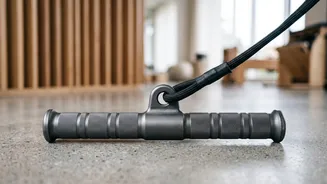
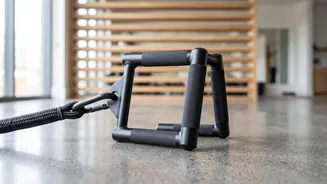
Once you master the standard form , you can introduce variations to target different parts of your back . Using a wide bar with an overhand grip , for instance , will shift more focus to your upper back and rear deltoids . An underhand grip will bring your biceps more into play . You can also perform the exercise one arm at a time using a single D - handle attachment . This unilateral movement forces your core to work harder to prevent your torso from twisting . For those without access to a cable machine , a similar movement can be performed by sitting on the floor and using a resistance band looped around your feet .