






Aizawl, Mizoram: The Hilltop Haven
Consistently ranked among India's cleanest cities, Aizawl offers more than just pristine air. Perched on steep hills, the capital of Mizoram benefits from its geography and a strong community focus on cleanliness. The city's 'Good' to 'Moderate' AQI,
often staying below 50, is a welcome contrast to the northern plains. This is due to low vehicular traffic and abundant green cover which allow fresh air to circulate throughout the year. Visitors can explore the bustling Bara Bazar, enjoy panoramic views from Durtlang Hills, or simply soak in the tranquil atmosphere of a city that truly values its environment.
Shillong, Meghalaya: Scotland of the East
Known for its rolling hills and a vibrant music scene, Shillong's charm is amplified by its excellent air quality. The frequent rain in Meghalaya helps wash pollutants from the atmosphere, leaving the air crisp and clean. While some monitors show a 'Moderate' AQI, it remains a far healthier option than many metros. This makes it ideal for exploring the city’s beautiful lakes, such as Umiam and Ward's Lake, or taking a short drive to see the region's famous waterfalls. Its elevation and natural surroundings contribute to an environment where you can enjoy both urban culture and nature without the respiratory strain.
Kinnaur, Himachal Pradesh: Himalayan Purity
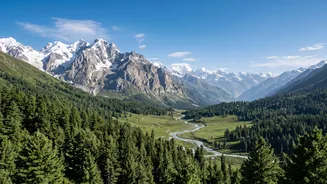
For those seeking truly untouched mountain air, the remote district of Kinnaur is an unparalleled choice. Studies have cited it as having some of the cleanest air in the entire country, with particulate matter levels significantly below national targets. Its high-altitude location, away from industrial centres, ensures a pristine environment. A trip here is about more than just escaping pollution; it’s about immersing yourself in breathtaking landscapes, from the apple orchards of Sangla Valley to the majestic views of the Kinner Kailash range. The air is so clear that the mountains seem to have sharper edges and the sky a deeper blue.
Munnar, Kerala: The Tea-Scented Escape
Nestled in the Western Ghats, Munnar is a sea of green, with vast tea plantations acting as a massive natural air filter. This, combined with minimal industrialisation, helps maintain a 'Moderate' AQI, offering a refreshing environment for visitors. The air here, scented with tea and eucalyptus, feels restorative. A visit offers opportunities for trekking through misty hills, exploring tea factories to learn about the production process, and visiting Eravikulam National Park, home to the endangered Nilgiri Tahr. The high elevation and dense greenery make it a perfect destination to rejuvenate your lungs.
Coorg, Karnataka: The Green Lungs of the South
Often called the 'Scotland of India', Coorg's (Kodagu) reputation for beauty is matched by its clean environment. The region is dominated by coffee plantations and dense forests, which act as the area's green lungs, constantly replenishing the air. Limited traffic and a lack of heavy industry contribute to its consistently low pollution levels. While the AQI can fluctuate, it generally remains in the 'Good' to 'Moderate' range, especially outside the main town of Madikeri. Visitors can enjoy trekking to Abbey Falls, exploring the aromatic spice gardens, and experiencing the unique culture of the Kodava people, all while breathing air that feels clean and pure.
Ooty, Tamil Nadu: Queen of the Nilgiris
A classic hill station, Ooty's enduring appeal is partly due to the cool, clean air of the Nilgiri Hills. Surrounded by dense eucalyptus forests and sprawling tea gardens, the town offers a welcome escape from the pollution of the plains. Though popular with tourists, its minimal industrial presence helps keep the air quality in the 'Moderate' range for much of the year. Beyond the main town, the air becomes even cleaner. A ride on the Nilgiri Mountain Railway, a walk through the Government Botanical Gardens, or a boat ride on Ooty Lake are all made more pleasant by the refreshing atmosphere.