




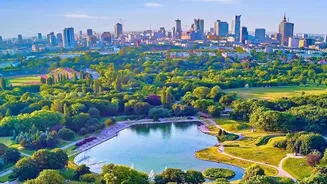
The City's Environmental Lungs
In a metropolis grappling with pollution and rising temperatures, parks function as indispensable environmental regulators. Often called the city's 'lungs', these green spaces are critical for clean air, absorbing pollutants and releasing oxygen. But
their most significant role may be in combating the 'urban heat island' effect, where concrete and asphalt trap and radiate heat. Research shows that Bengaluru's parks are consistently cooler than their surrounding built-up areas. One study found green spaces could be over 2.2°C cooler, with this cooling effect extending more than 300 metres beyond their boundaries. This natural air conditioning makes neighbourhoods more liveable, reduces energy consumption, and provides crucial relief from increasingly harsh summer heat. Parks also act as sponges, absorbing rainwater to help mitigate flooding and recharge groundwater tables, a vital service in a city facing water challenges.
Crucial Hubs for Biodiversity
Beyond their grand ficus trees and manicured lawns, Bengaluru's parks are buzzing with life. They are critical habitats that support a surprising diversity of flora and fauna in the heart of the city. Even smaller neighbourhood parks serve as 'stepping stones' for birds, butterflies, and insects, creating a connected ecological network between larger green areas like Cubbon Park and Lalbagh. Studies have documented dozens of species of trees, birds, and butterflies within these parks. For instance, Cubbon Park is home to nearly 100 species of birds and played a role in identifying a new ant species, demonstrating the delicate ecological balance these spaces nurture. This biodiversity is not just for nature enthusiasts; it is an indicator of the city's overall environmental health. By preserving these habitats, Bengaluru protects a web of life that contributes to pollination, pest control, and overall ecosystem resilience.
The Social and Cultural Fabric
The value of a park extends far beyond its ecological benefits. These are the spaces where the social fabric of the city is woven. Every morning and evening, they fill with walkers, joggers, and yoga groups. They are where children play, families gather for picnics, and senior citizens find community. In an increasingly dense and digital world, parks provide an essential, free, and accessible venue for social interaction, recreation, and mental rejuvenation. Studies have directly linked access to green spaces with improved mental well-being, highlighting their role in reducing stress and enhancing mood. Furthermore, parks like Lalbagh—a botanical treasure dating back to the 1760s—are living heritage. They are home to centuries-old trees and geological formations, connecting residents to the city's rich history and horticultural legacy.
An Irreplaceable—and Threatened—Asset
Despite their immense value, Bengaluru's parks are not guaranteed to last forever. The pressure of urbanisation is immense, with green cover shrinking significantly over the past few decades. Recent legislative changes that could allow portions of parkland to be used for infrastructure projects have sparked concern among citizens and environmental groups. Activists argue that viewing parks as vacant 'land banks' is a dangerous mistake. Once a mature ecosystem is fragmented or destroyed, it cannot be easily recreated. The loss of even a small percentage of a park can disrupt its cooling effect, harm biodiversity, and set a precedent for further encroachment. This makes the protection of every park—from the iconic Lalbagh to the smallest neighbourhood green—a critical issue for the city's future.