




The Digital Divide in Passenger Safety
Until now, a clear disparity existed in how Indian Railways passengers were protected. Those who booked their tickets through the IRCTC website or mobile app could opt for travel insurance for a nominal fee, currently as low as 45 paise. This scheme provides
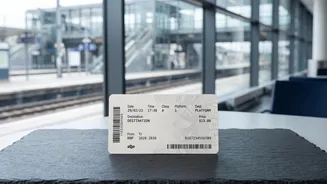
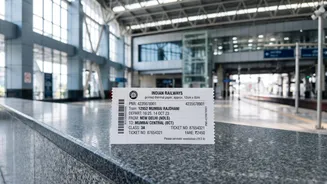
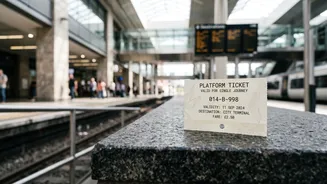
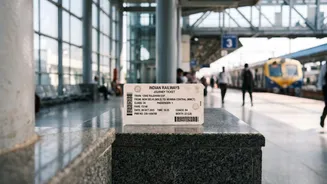
financial coverage in the event of accidents, offering compensation for death, disability, and hospitalization. However, this crucial safety net was unavailable to passengers who purchased their tickets physically at railway station reservation counters. This group includes many from economically weaker sections, rural areas, or those who are not digitally savvy, who were inadvertently excluded from this benefit despite facing the same travel risks.
A Supreme Court Mandate for Equality
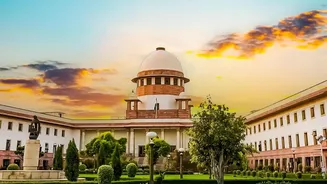
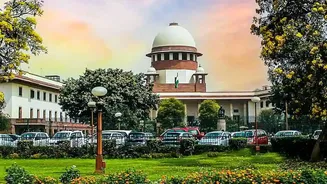
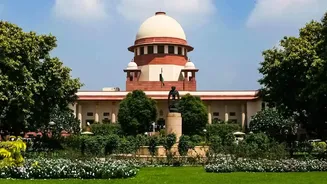
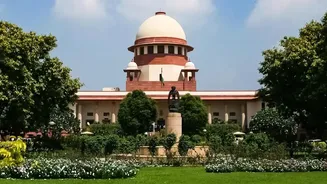
Recognising this discriminatory practice, the Supreme Court of India has intervened. On October 6, 2026, a bench comprising Justices Ahsanuddin Amanullah and R. Mahadevan issued a clear directive: Indian Railways must extend the same insurance coverage to counter tickets. The court set a firm deadline of October 27, 2026, for the implementation of this order. The ruling came during proceedings related to railway safety, which were initiated following the tragic Odisha train accident in June 2023. The court expressed its displeasure at the lack of progress on this issue, despite having previously given authorities time to devise a solution.
What the New Order Means for You
Starting October 27, any train ticket sold at a reservation counter must be covered by insurance in the same way as online tickets. The Supreme Court has made it clear that this is a mandatory direction, not an optional one, and has placed direct responsibility on the Railway Board to ensure its implementation. For the passenger, this means access to a financial safety net that was previously out of reach. While the exact mechanism of how the premium will be collected at the counter is yet to be detailed by the Railways, the principle of parity is now legally enforceable. This bridges a significant gap and ensures a more equitable system for all travelers.
Understanding the Insurance Coverage
The existing optional insurance scheme for online tickets provides a template for what counter-ticket holders can expect. For a premium of just 45 paise, the policy offers significant coverage. This typically includes compensation of up to ₹10 lakh for death or permanent total disability. It also provides ₹7.5 lakh for permanent partial disability, up to ₹2 lakh for hospitalization expenses, and ₹10,000 for the transportation of mortal remains in the unfortunate event of an incident. This insurance is separate from and in addition to any compensation the Railways is liable to pay under the Railways Act. The court's order aims to make this exact level of protection available to every passenger, regardless of how they purchase their ticket.
Why This Step Towards Parity Is Crucial
The Supreme Court's intervention is more than just a logistical change; it's a move towards social equity. The court itself noted that those who buy tickets at counters often belong to the 'lowest strata of society' and have been historically excluded from this benefit. By mandating equal access, the order acknowledges that a passenger's safety and financial protection should not depend on their access to the internet or a smartphone. It reinforces the constitutional principle of equality and ensures that Indian Railways, as a public utility, provides its safeguards to all citizens without discrimination. This decision is a significant victory for consumer rights and passenger welfare across the country.