








The Unseen Enemy: Pervasive Damp
When we think of monsoon-proofing our homes, our minds immediately jump to fixing leaky roofs and cracked window panes. While essential, these are just defensive tactics against direct water entry. The more insidious enemy, and the one that causes long-term
damage, is pervasive dampness. This is the high humidity that seeps into everything—your walls, your furniture, your clothes, and even the air you breathe. This ambient moisture is a breeding ground for mould and mildew, which release spores that can trigger allergies, asthma, and other respiratory issues. It's what causes that persistent musty smell, makes paint blister and peel, and can even compromise the structural integrity of wooden fixtures over time. Ignoring this internal humidity is like winning a battle against a flood but losing the war to a silent, creeping rot.
The Upgrade: A Complete Moisture Management System
So, what is the single most important upgrade? It’s not a product, but a strategy: a comprehensive Moisture Management System. This is a holistic approach that treats your home as a living, breathing entity that needs help regulating its internal climate during the intensely humid monsoon months. Instead of just reacting to problems like leaks and damp patches as they appear, you proactively control the environment inside your home. This system is built on three pillars: actively removing moisture from the air, fortifying your home’s surfaces against dampness, and promoting smart ventilation. Implementing this system is the difference between surviving the monsoon and truly enjoying it in a healthy, comfortable space. It's an investment in your property and, more importantly, your family’s well-being.
Pillar 1: Actively Control Indoor Air
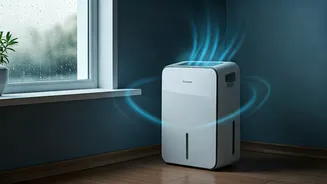
The heart of your Moisture Management System is a dehumidifier. Often overlooked in India, these appliances are game-changers for monsoon living. Unlike an air conditioner, which cools the air, a dehumidifier is specifically designed to pull excess moisture out of it. By maintaining an indoor humidity level between 40-60%, you create an environment where mould and mildew simply cannot thrive. Your clothes will dry faster, the musty smell will disappear, and the air will feel lighter and more comfortable. When choosing one, consider the size of your room. A small, portable unit can be perfect for a single bedroom or a walk-in closet where you store expensive clothing and leather goods. For larger living areas or in particularly humid coastal cities, a more powerful model is a worthwhile investment. It’s the single most effective tool for taking direct control of your home’s indoor climate.
Pillar 2: Fortify Your Walls and Surfaces
While a dehumidifier tackles moisture in the air, you also need to protect your home’s structure. This is where a pre-monsoon fortification check comes in. Before the first rains, inspect your interior and exterior walls for any fine cracks, especially around windows and door frames. Use a quality waterproof sealant to fill these gaps. For interior walls, especially in areas prone to damp like bathrooms, kitchens, and cupboards, consider a fresh coat of waterproof, anti-mould paint. These modern paints create a barrier that prevents moisture from seeping into the plaster and contain additives that inhibit fungal growth. Think of it as a raincoat for your walls. This preventative step not only keeps your home looking fresh but also prevents costly repairs down the line when minor damp patches turn into major structural problems.
Pillar 3: Promote Smart Ventilation
The final piece of the puzzle is simple and often free: intelligent ventilation. Damp air needs a way to escape. During the monsoon, it's crucial to seize every opportunity to air out your home. When it’s not raining and the sun is out, even for a few hours, throw open your windows and doors to encourage cross-ventilation. This simple act flushes out stale, moist air and replaces it with fresher, drier air. Inside, use ceiling or pedestal fans to keep air circulating, which helps prevent moisture from settling on surfaces. Pay attention to exhaust fans in kitchens and bathrooms; ensure they are clean and functional, and use them every time you cook or shower. Avoid pushing furniture flush against walls, as this traps air and creates a perfect micro-climate for mould to grow. Smart ventilation works in tandem with your dehumidifier and fortified walls to complete your home's defence system.