



The Great Breakfast Rethink
In kitchens across urban India, a quiet rebellion is brewing. For years, convenience was king, and colourful boxes of processed cereals promising a fast and 'healthy' start to the day dominated breakfast tables. However, a growing number of consumers
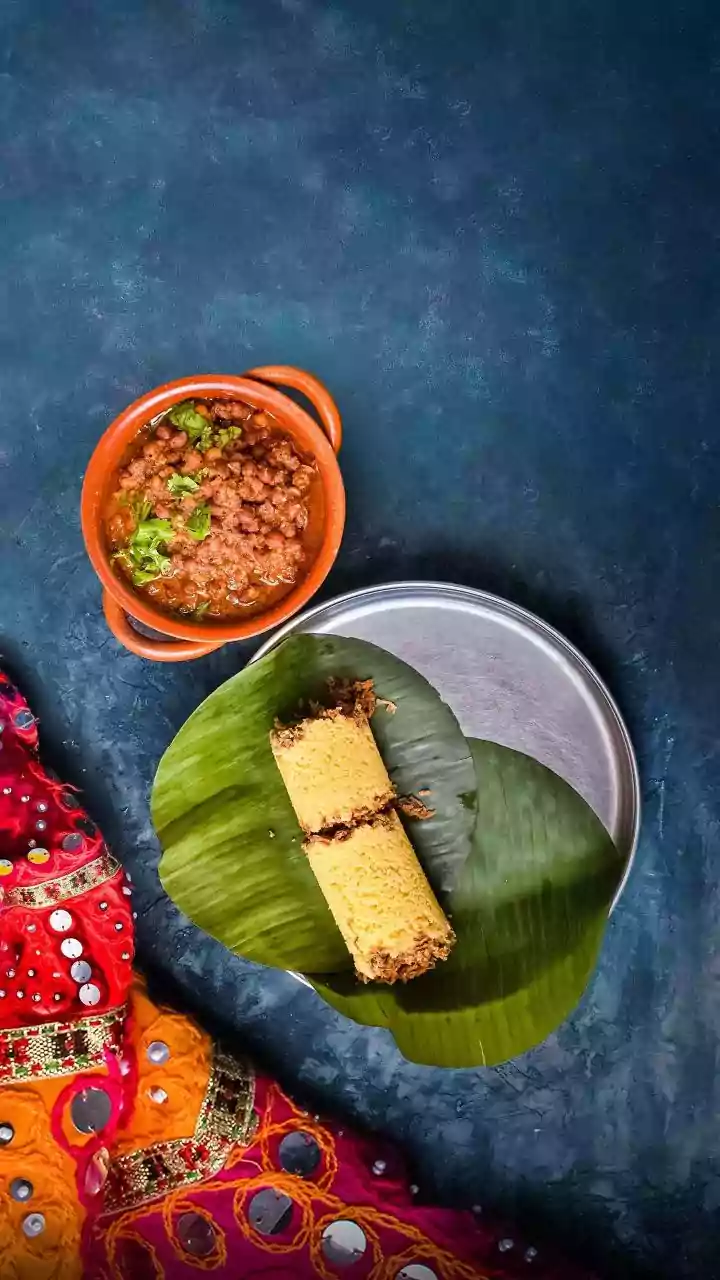
are now looking past the slick marketing and questioning what's really in their bowl. This shift is driven by a heightened awareness around health, wellness, and the desire for clean, natural ingredients. People are beginning to understand that a truly healthy breakfast isn't about speed, but about nourishment. As a result, many are turning back to the wisdom of their ancestors, rediscovering traditional meals that are not only delicious but also packed with genuine nutritional benefits.
The Mighty Millet Makes a Comeback
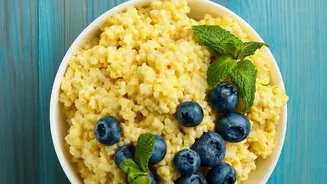
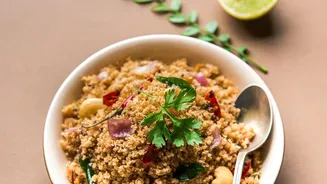
At the heart of this breakfast revolution is the humble millet. Once considered a rural staple, grains like ragi (finger millet), jowar (sorghum), and bajra (pearl millet) are now being celebrated as superfoods in city centres. Their resurgence is fueled by a perfect storm of factors: strong government promotion, including the UN's declaration of 2023 as the International Year of Millets, and a growing body of scientific research highlighting their benefits. Millets are gluten-free, rich in protein, fibre, and essential minerals like iron and calcium, making them far superior to refined wheat and rice. Unlike processed cereals that can cause sugar spikes and mid-morning energy crashes, millets provide sustained energy, keeping you fuller and more focused for longer.
Idlis and Appams: More Than Just Nostalgia
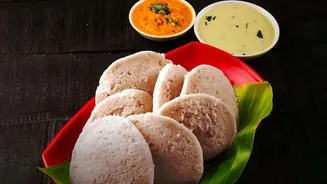
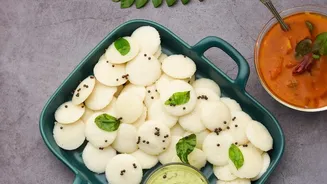
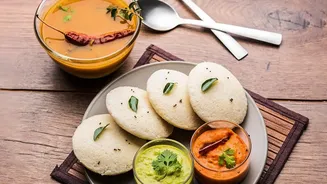
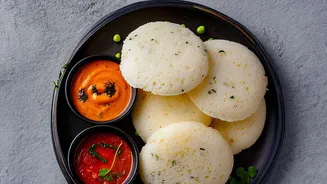
The return to dishes like idli and appam isn't just about nostalgia; it's a conscious health choice. Idlis, made from a fermented batter, are a natural source of probiotics, which are crucial for good gut health. The steaming process makes them light and easy to digest, providing a gentle start to the day. When these traditional recipes are adapted to include millets instead of rice, their nutritional profile gets an even bigger boost. These breakfasts offer a powerful combination of complex carbohydrates for energy, protein from lentils (in the case of idli with sambar), and vital micronutrients, hitting all the marks for a balanced morning meal that modern, health-conscious consumers are seeking.
Why Packaged Cereals Are Losing Their Crunch
While packaged cereals once seemed like the ultimate modern breakfast solution, their appeal is fading for several reasons. Many popular brands are high in refined carbohydrates, added sugars, and artificial additives, while being low in the fibre and protein needed for satiety. As consumers become more adept at reading nutrition labels, the gap between the healthy image and the actual ingredients is becoming clear. The term 'ultra-processed' has entered the mainstream vocabulary, and with it, a suspicion of foods that come from factories rather than farms. In contrast, the simplicity and transparency of ingredients in a freshly made idli or appam—grain, lentils, water, and natural fermentation—offer a compelling and trustworthy alternative.
Tradition Adapted for Modern Life
This movement isn't about spending hours in the kitchen. The market has responded to the urban need for convenience without compromise. Today, high-quality, ready-to-cook millet idli and dosa batters are widely available, as are instant appam mixes. Cafes and health-food restaurants are also adding these traditional items to their menus, often giving them a modern twist. This fusion of heritage and convenience allows busy urbanites to enjoy a nutritious, freshly prepared breakfast without the time-consuming prep work of the past. It’s a trend that successfully marries the wisdom of traditional Indian food science with the demands of a fast-paced, contemporary lifestyle.