



The Annual Commuting Nightmare
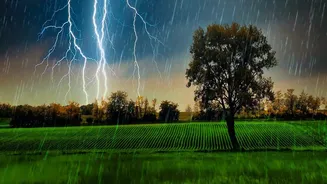
Every year, as monsoon rains lash India's urban centres, daily life is thrown into disarray. Streets in cities like Mumbai, Delhi, and Bengaluru frequently turn into temporary canals, bringing traffic to a standstill. While seasoned commuters are used
to the disruptions, the increasing intensity of rainfall in recent years has overwhelmed decades-old drainage systems, making travel more unpredictable than ever. Public transport systems strain under the pressure, with local trains facing delays due to waterlogged tracks and buses getting stuck in gridlock. This predictable chaos transforms the simple act of getting from one place to another into a daily battle against the elements and failing infrastructure.
The Last-Mile Conundrum
The most acute pain point for many is the “last-mile” – that crucial, short distance from a metro station or bus stop to your final destination. A five-minute walk in fair weather becomes an impassable moat during a downpour. This is where the transport system's weaknesses are most exposed. Traditional options like waiting for an auto-rickshaw become a gamble against rain, availability, and fare refusal. This gap in connectivity is not just an inconvenience; a recent study noted that over half of public transport users can experience a complete loss of mobility during heavy rains, effectively cutting them off.
The Promise and Peril of Ride-Hailing Apps
Ride-hailing apps like Uber and Ola seemed to be the perfect solution. In theory, they offer a 'verified' ride – trackable, cashless, and door-to-door. However, the monsoon reveals their vulnerabilities. The first issue is surge pricing, which can multiply fares during peak demand, making a simple ride prohibitively expensive. The second, and more frustrating, problem is cancellations. Many users report drivers accepting a ride, only to cancel after learning the destination or that the payment is digital. During heavy rain, driver availability plummets in waterlogged areas, leaving commuters stranded and endlessly tapping their screens in hope. While these apps offer safety features like real-time tracking, their reliability is severely tested when you need them most.
Rediscovering the Auto-Rickshaw, With a Twist
Frustrated with app-cabs, many turn back to the humble auto-rickshaw. The challenge remains the same: finding one and agreeing on a fair price without getting drenched. However, technology is bridging this gap. Ride-hailing platforms now heavily integrate autos, allowing users to book them through the app. This provides a 'verified' element, with upfront fares or metered pricing, GPS tracking, and a digital record of the trip. While not immune to cancellations, it's often a more affordable and nimble alternative for navigating congested, waterlogged streets where cars struggle.
Smart Strategies for the Monsoon Commute
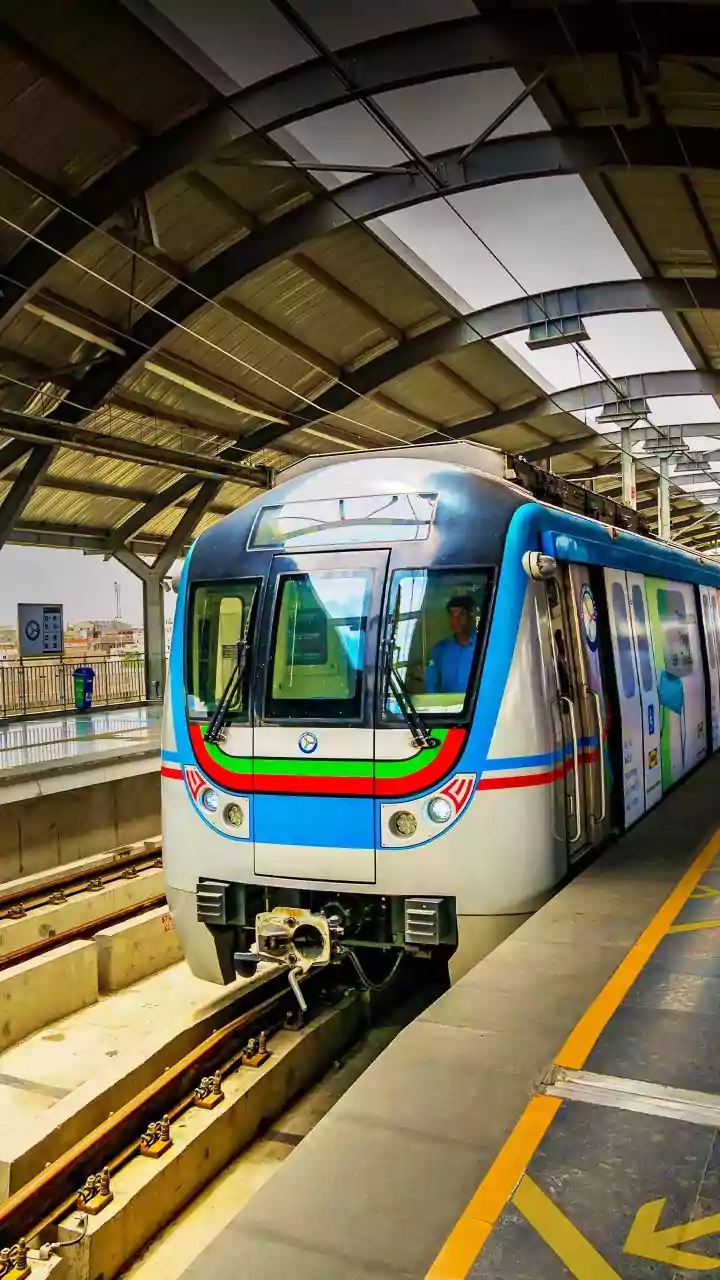
Surviving the monsoon commute requires a mix of smart planning and flexible strategies. Elevated metro systems, where available, are often the most reliable backbone of a journey, as they operate above flooded streets. Before stepping out, check real-time traffic data on mapping apps and official transport updates. Investing in good rain gear and a waterproof bag for electronics is a given. A growing trend is the use of designated, covered pick-up points at transport hubs and smarter pick-up location suggestions within apps to avoid flooded zones. For those with flexibility, adjusting work hours to avoid the peak rush and downpour can make a significant difference. Staying informed and having a Plan B (and C) is your best defence.