





Jamun: The Purple Powerhouse
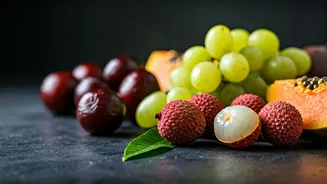
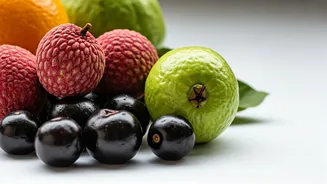
The deep purple hue of Jamun, or Indian blackberry, is the first sign of its potent health benefits. This fruit is a classic monsoon staple, and for good reason. It’s packed with antioxidants and flavonoids, which help fight free radicals in the body.
Jamun is particularly celebrated for its properties that help manage blood sugar levels, making it a great choice for those with diabetic concerns. Its astringent properties also do wonders for skin health, keeping acne and blemishes at bay during the humid season. Rich in iron and Vitamin C, it’s a fantastic natural blood purifier and immunity booster, helping your body stay strong when infections are common.
Litchi: A Sweet Burst of Immunity
The arrival of litchis is a short but glorious event. These sweet, translucent globes are more than just a delicious treat; they are a powerhouse of Vitamin C. A single serving can provide a significant portion of your daily requirement, which is crucial for strengthening your immune system to fend off colds and coughs that are rampant during the rainy season. Litchis are also a great source of potassium, which helps maintain healthy blood pressure, and are high in water content, aiding hydration on sticky, humid days. Their delicate flavour adds a touch of luxury to an otherwise gloomy day, making them a perfect mood-lifter.
Cherries: The Antioxidant Jewels
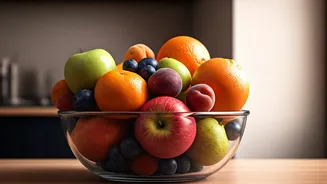
Don't let their small size fool you. Cherries, with their vibrant red colour, are packed with powerful antioxidants like anthocyanins, which give them their distinctive colour and potent anti-inflammatory properties. This can be especially beneficial for relieving muscle soreness and joint pain, which can sometimes feel more pronounced in the damp monsoon weather. Cherries are also one of the few natural food sources of melatonin, the hormone that regulates sleep-wake cycles. A handful of cherries in the evening could help you get a more restful night’s sleep, even with the sound of pouring rain outside.
Peaches and Plums: The Fuzzy Fighters
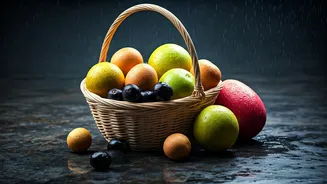
Peaches and plums, members of the stone fruit family, bring a lovely sunset-like palette of yellows, oranges, and reds to your fruit basket. Both are excellent sources of dietary fibre, which is essential for maintaining a healthy digestive system—a key concern during the monsoon when digestion can become sluggish. They are also rich in Vitamins A and C, both critical for immune function and skin health. The antioxidants in these fruits help protect your cells from damage, while their hydrating nature helps keep your skin looking plump and fresh despite the humidity.
Pomegranate: The Ruby-Red Shield
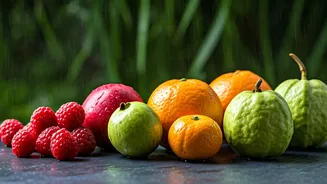
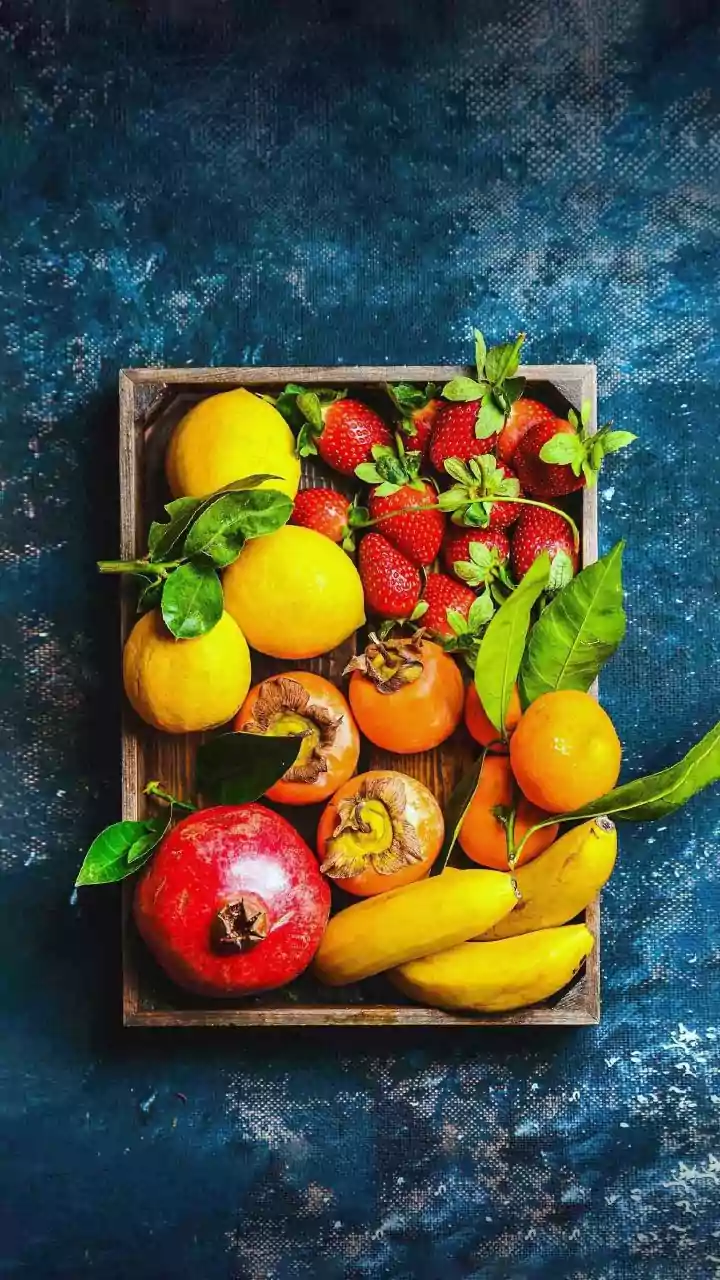
Breaking open a pomegranate to reveal its jewel-like arils is always a rewarding experience. These tiny seeds are one of the most powerful sources of antioxidants in the fruit world, even more than red wine or green tea. The potent punicalagins in pomegranates are known to have strong anti-inflammatory effects and help build a robust defence against common infections. They are also fantastic for heart health, helping to improve blood flow and keep arteries healthy. Sprinkling pomegranate seeds on your yoghurt, salad, or just eating them by the spoonful is a delicious way to build your body's shield this monsoon.
A Note on Monsoon Fruit Safety
While these fruits are incredibly beneficial, the monsoon also increases the risk of contamination. Always wash fruits thoroughly under clean, running water before consumption. It's best to avoid buying pre-cut fruits from street vendors, as they may have been exposed to contaminated water or air. Instead, buy whole fruits and cut them at home just before eating. Peel fruits like peaches and litchis yourself to ensure hygiene. A little bit of care will ensure you get all the benefits without any of the risks.