




Understanding the World of Fats
Before comparing ghee and oils, it's crucial to understand that not all fats are created equal. They are broadly categorised into two groups: saturated and unsaturated. Saturated fats, which are typically solid at room temperature, are found in animal
products like meat and dairy, including ghee. Unsaturated fats, usually liquid at room temperature, come from plant sources like seeds and nuts. This category is further divided into monounsaturated and polyunsaturated fats. Health bodies like the American Heart Association recommend limiting saturated fat intake because a diet high in it can raise levels of low-density lipoprotein (LDL), often called "bad" cholesterol. High LDL cholesterol can lead to the buildup of fatty deposits, or plaques, in the arteries—a condition known as atherosclerosis—which increases the risk of heart disease.
A Closer Look at Ghee
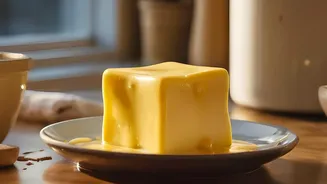
Ghee is clarified butter, a fat that is almost entirely saturated. One tablespoon contains around 8-10 grams of saturated fat, which is a significant portion of the recommended daily limit. While ghee has been a cherished part of Indian tradition for centuries and contains fat-soluble vitamins like A, D, and E, its high saturated fat content is a primary concern for cardiovascular health. Excessive consumption can contribute to elevated LDL cholesterol levels. However, modern nutritional science is more nuanced. Some studies suggest that the natural saturated fats in ghee, when consumed in moderation as part of a balanced diet, may not be as harmful as once thought, especially compared to artificial trans fats. Ghee also has a high smoke point, making it stable for high-heat cooking. The key takeaway from cardiologists is moderation; for a healthy individual, a small amount like a teaspoon a day is generally considered safe.
The Case for Unsaturated Oils
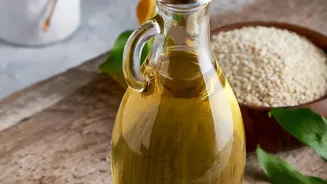
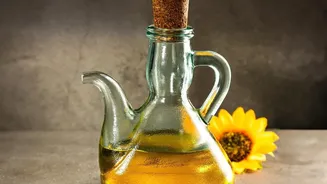
This is where unsaturated oils, particularly those that are cold-pressed, come into the picture. Monounsaturated and polyunsaturated fats have been shown to be beneficial for heart health. They work to lower LDL ("bad") cholesterol while sometimes helping to increase high-density lipoprotein (HDL), or "good" cholesterol, which helps clear cholesterol from the arteries. Oils like mustard, groundnut, sesame, and sunflower oil are rich in these healthy fats. By replacing saturated fats in the diet with unsaturated ones, you can actively reduce your risk of heart disease. These oils help keep blood vessels flexible and reduce inflammation, both of which are crucial for maintaining balanced arterial health.
Why 'Cold-Pressed' Makes a Difference
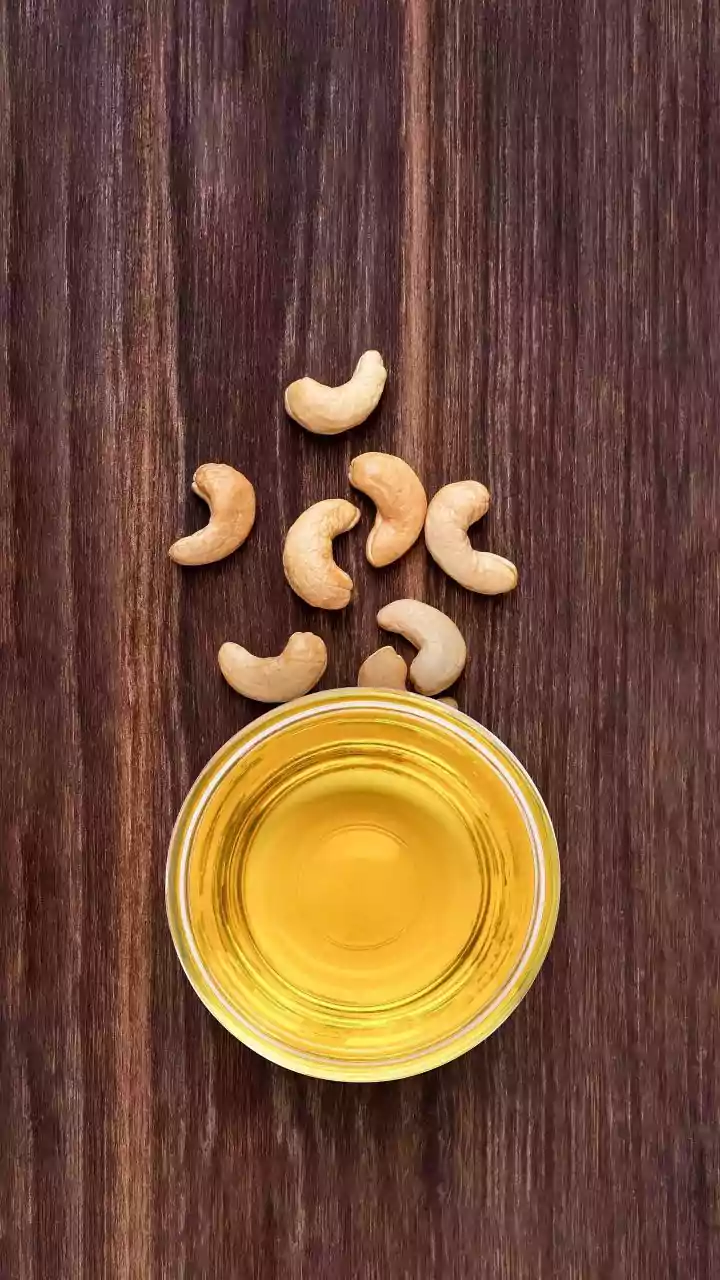
The term "cold-pressed" refers to the method of extracting oil from seeds or nuts without using high heat or chemical solvents. This gentle process is significant because it preserves the oil's natural nutrients, antioxidants, and flavour profile. High-heat refining can destroy sensitive vitamins and beneficial plant compounds, like polyphenols, which have anti-inflammatory properties. Therefore, cold-pressed oils not only provide healthier fatty acid profiles but also deliver a richer array of nutrients that support overall health. These oils retain compounds like Vitamin E and Omega-3 fatty acids, which further contribute to heart health and fight oxidative stress in the body.
Balance Over Banishment
Declaring one food "good" and another "bad" is rarely helpful. While the evidence strongly suggests that cold-pressed unsaturated oils are a better choice for maintaining clean arteries and a healthy cholesterol profile, this doesn't mean ghee must be banished from the kitchen entirely. Ghee offers flavour and cultural significance that cannot be ignored. The most heart-healthy approach is one of balance and smart substitution. Using cold-pressed oils like mustard or groundnut oil for daily cooking and reserving ghee for occasional use or for flavouring dishes in small amounts is a practical strategy. This allows you to reap the cardiovascular benefits of unsaturated fats while still enjoying the traditional tastes you love. Ultimately, your overall dietary pattern matters more than any single ingredient.