







The Monsoon Challenge for Your Plants
As the rain-swept days of the monsoon arrive, the air becomes thick with moisture. While we enjoy the cooler temperatures, this extreme humidity creates a perfect breeding ground for problems that can harm your beloved indoor plants. The lack of sunlight
and stagnant, damp air encourages fungal diseases like powdery mildew, which looks like a white dusting on leaves, and black spot. Furthermore, this environment is an open invitation for common houseplant pests. Mealybugs, those fuzzy white insects that cluster in leaf joints, and spider mites, which create fine webbing, multiply rapidly in humid conditions. Without preventative care, a thriving indoor garden can quickly show signs of distress.
Why Neem Oil is Your Green Ally
For generations, neem oil has been a cornerstone of traditional Indian agriculture and medicine, and for good reason. Extracted from the seeds of the neem tree, this oil is a potent, all-natural defence for your plants. Its power comes from a compound called azadirachtin, which works in multiple ways. As an insecticide, it disrupts the life cycle of many pests, preventing them from feeding, moulting, and reproducing. As a fungicide, it helps prevent fungal spores from germinating and spreading on plant leaves. Unlike harsh chemical pesticides, neem oil is biodegradable and safe for use in a home with pets and children when used correctly, making it the ideal choice for conscious plant parents.
Your Step-by-Step Application Guide
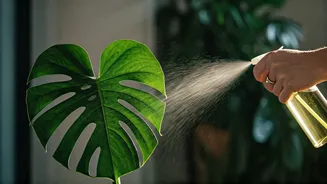
Making your own neem oil spray is simple and effective. You'll need three basic ingredients: cold-pressed neem oil, a mild liquid soap, and water. The soap acts as an emulsifier, allowing the oil and water to mix properly. Here’s a trusted recipe: 1. Start with one litre of lukewarm water in a spray bottle. Lukewarm water helps the oil mix more easily. 2. Add 1 teaspoon (5 ml) of pure, cold-pressed neem oil. 3. Add ½ teaspoon (2-3 ml) of a gentle liquid soap (like a castile soap or a basic dish soap without degreasers). 4. Shake the bottle vigorously until the mixture looks milky and is well combined. You will need to shake it periodically during application as the oil can separate from the water over time. Now, you are ready to spray. Thoroughly coat all surfaces of the plant, including the tops and undersides of leaves and the stems.
Best Practices and What to Avoid
To get the most out of your neem oil treatment without harming your plants, follow these crucial tips. First, always perform a 'patch test.' Spray a small, inconspicuous leaf and wait 24-48 hours to ensure there is no adverse reaction like leaf burn. Always apply the spray in the evening or on a cloudy day. Applying neem oil in direct sunlight can cause the leaves to scorch. For preventative care during the monsoon, spray your plants once every 10-14 days. If you're treating an active pest infestation, you can increase the frequency to once every 5-7 days until the problem is under control. Finally, avoid over-watering your plants. Neem oil tackles surface-level issues, but high humidity also means soil dries slower, increasing the risk of root rot. Always check the soil moisture before watering.
Beyond Neem Oil: A Holistic Approach
While neem oil is a powerful tool, it works best as part of a complete plant care routine during humid seasons. Good air circulation is vital. If possible, place a small fan in the room for a few hours a day to keep the air moving, which discourages fungal growth. You can also prune dense foliage on your plants to improve airflow between the leaves. Keep an eye on your pots and saucers, ensuring you empty any standing water to prevent root rot and discourage fungus gnats. By combining the protective power of neem oil with these simple environmental controls, you create a resilient ecosystem where your indoor plants can not only survive the monsoon but truly thrive.