




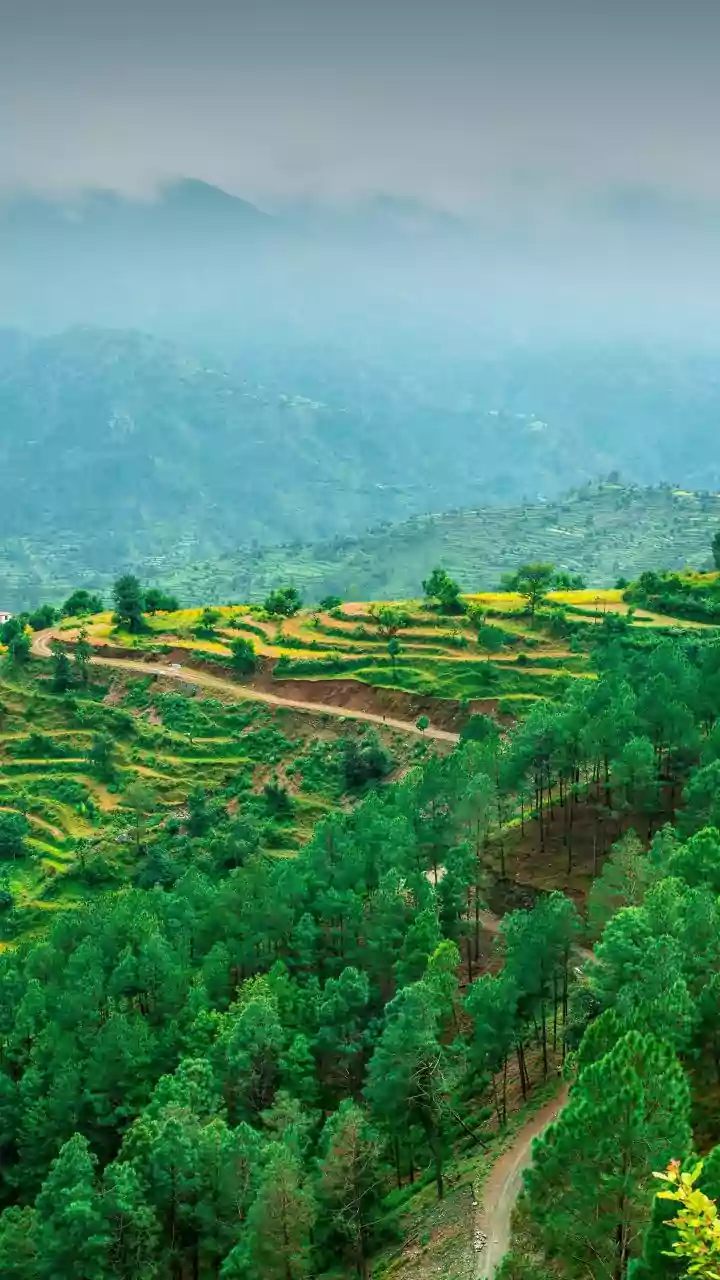



An Uneven and Anxious Monsoon
The Southwest Monsoon's performance in 2026 has been a tale of two extremes. While some parts of the country have received heavy showers, crucial agricultural regions in West India, particularly Maharashtra, Gujarat, and parts of Rajasthan, are grappling
with a mixed and concerning picture. The India Meteorological Department (IMD) has noted an uneven distribution, with some areas receiving heavy rain while others, especially in the interior and rain-fed zones, face deficits. As of mid-August, forecasts indicate scattered rainfall for regions like Marathawada and Saurashtra & Kutch, which are vital for pulses and oilseeds. This patchiness comes after earlier predictions for the season pointed towards a below-normal monsoon overall, partly influenced by developing El Niño conditions. This situation is critical because the period from August to September is when Kharif crops enter their growth stage, where consistent moisture is essential for determining the final yield.
Crops Under Stress
The irregular rainfall directly threatens the production of several key Kharif crops that are staples in the Indian diet. Pulses like tur (arhar) and oilseeds such as soybean and groundnut are particularly vulnerable as they are predominantly rain-fed. Recent data from the Agriculture Ministry has already shown that the total area sown under Kharif crops is slightly behind last year's figures. As of early August, the sowing of pulses and coarse cereals was lagging. While oilseed acreage showed a marginal rise, the final output is not guaranteed and depends entirely on the monsoon's performance in the coming weeks. States in West India are major producers of these commodities. Any shortfall here has a cascading effect, tightening national supply and putting pressure on availability. The next few weeks are a crucial window; without adequate rain, the productivity of these already-planted crops could be significantly dented.
The Ripple Effect on Your Plate
For the average consumer, the meteorological data translates into one primary concern: the cost of groceries. A dip in the production of pulses and oilseeds almost inevitably leads to higher prices in the retail market. Food inflation, which has been a sensitive issue, is closely monitored by the Reserve Bank of India (RBI). While recent inflation figures have remained within the RBI's tolerance band, food prices have been identified as the key swing factor. Experts have warned that a weak monsoon could fuel food inflation, particularly for items like edible oils and pulses, which have significant weight in the consumer price index. Even before the full impact of this year's monsoon is clear, analysts have pointed to food prices as the primary risk that could push inflation higher in the coming months. The government holds buffer stocks of staples like rice and wheat, which can help stabilize cereal prices, but the situation for pulses and vegetables is often more volatile and directly linked to the season's harvest.
Government on Watch
The government and central bank are keeping a close watch on the situation. The RBI has acknowledged that the monsoon's outcome is a significant uncertainty for the inflation outlook. A poor harvest could force the government to turn to imports to stabilize domestic prices, especially for pulses and edible oils, to prevent a sharp spike. India has already been projected to increase imports of certain commodities due to concerns over the monsoon's performance. Contingency plans are often prepared for districts identified as vulnerable to deficient rainfall. These measures could include releasing stocks into the open market to cool prices or adjusting import duties. However, the effectiveness of these interventions depends on the scale of the production shortfall. For now, all eyes remain on the skies over West India, as the monsoon's final act will write the next chapter for food prices across the country.