






The Rise of the Eco Nomad
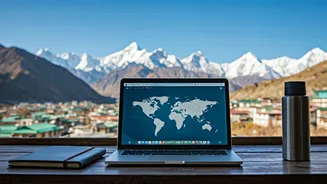
Forget the transient backpacker with a side hustle. The ‘eco nomad’ represents a new evolution in the remote work movement. These are often established professionals—programmers, marketers, consultants, and entrepreneurs—who are not just looking for a change
of scenery, but a change in lifestyle. They merge their professional lives with a commitment to sustainability, wellness, and community. Driven by the post-pandemic realization that work can happen anywhere, they are seeking environments that align with their values. For them, a strong Wi-Fi connection is just as important as a resort’s composting policy or its use of renewable energy.
More Than Just a Desk with a View
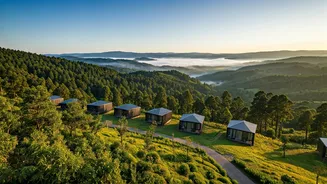
The ‘green resorts’ catering to this crowd are far from typical hotels. They are integrated living ecosystems. Imagine starting your workday with a yoga session in an open-air shala, followed by a team call from a bamboo co-working space overlooking rice paddies. Lunch is a farm-to-table meal with ingredients sourced from the resort’s own permaculture garden. These properties offer a package deal for a new way of life. They provide the practical necessities—high-speed internet, meeting rooms, and ergonomic seating—alongside wellness amenities like meditation classes, spa treatments, and community-building events. The architecture itself often tells a story, utilising natural materials like bamboo and reclaimed wood to create spaces that are both beautiful and environmentally conscious.
Why Bali Remains the Epicentre
Bali has long been a magnet for spiritual seekers and travellers, but its appeal for the modern eco nomad is uniquely multifaceted. The Indonesian island offers a powerful combination of reliable infrastructure, a relatively low cost of living compared to Western hubs, and a deeply ingrained culture of wellness and spirituality. The natural beauty is, of course, a primary draw. But more importantly, there’s a pre-existing community and a welcoming attitude towards foreigners. The Indonesian government has leaned into this trend, promoting new visa options like the ‘Digital Nomad Visa’ to attract long-stay, high-value visitors who contribute to the economy without straining resources in the same way as mass tourism.
A Sustainable Dream or Greenwashing?
While the vision is idyllic, it’s not without its complexities. The term ‘eco’ can be a powerful marketing tool, and a critical eye is needed to distinguish genuine sustainability from clever ‘greenwashing.’ The influx of affluent remote workers can also have significant local impacts, driving up property prices and potentially creating a cultural divide. True sustainability requires more than just bamboo buildings; it involves fair treatment of local staff, responsible water and energy consumption, and a genuine effort to integrate with and support the local Balinese community rather than creating isolated bubbles of privilege. The most conscious eco nomads and resorts are actively grappling with these questions, seeking ways to make the trend a net positive for Bali.