

The Epicenter: Mathura's 'Chappan Bhog'
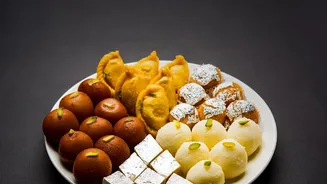
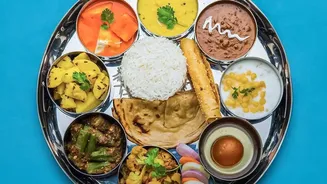
The heart of Janmashtami celebrations is in Mathura and Vrindavan, where the grand 'Chappan Bhog' takes centre stage. This offering of 56 distinct dishes is a testament to abundance and devotion. According to legend, it was first prepared by the villagers
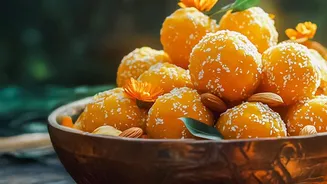
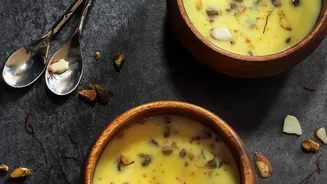
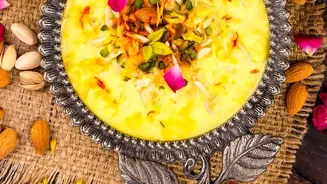
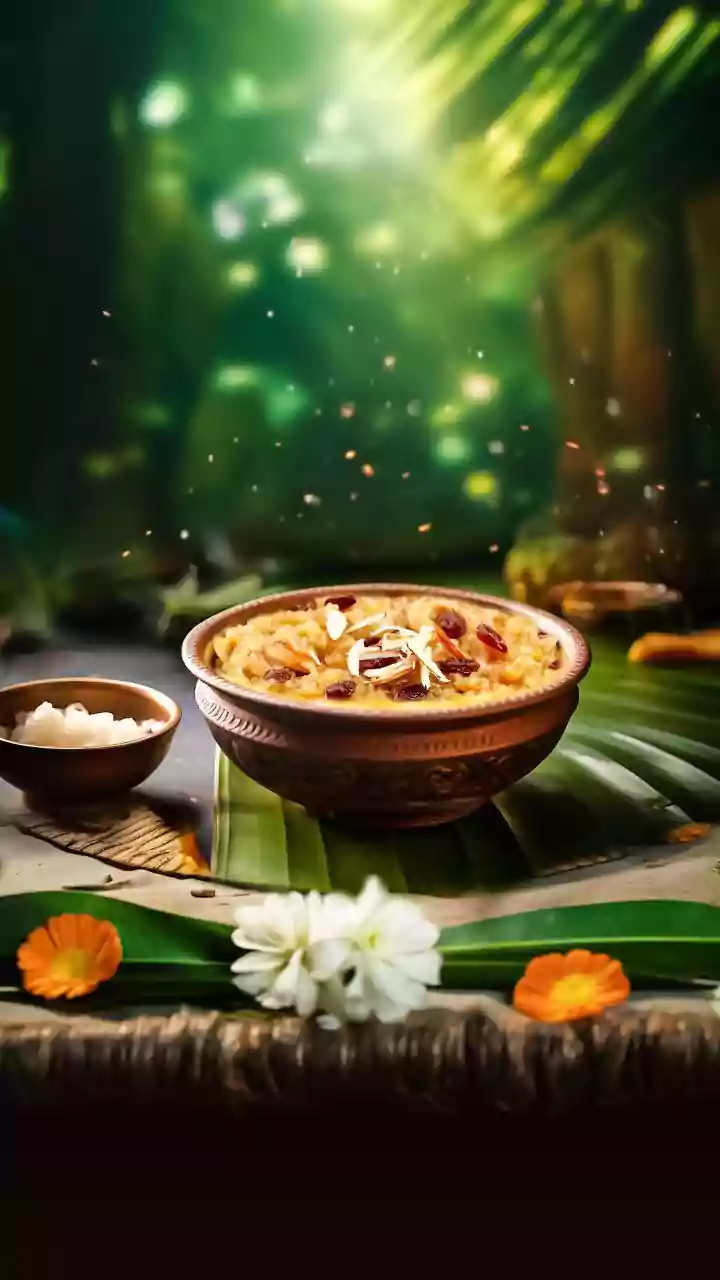
of Braj to thank Krishna after he held the Govardhan Hill for seven days, missing his eight daily meals. The spread is a comprehensive feast, including sweets, savouries, grains, and drinks. At its core are dairy-based delicacies that honour Krishna's childhood — Makhan Mishri (fresh butter with sugar crystals), Rabri, and various pedas made from thickened milk are non-negotiable. Another quintessential North Indian prasad is Dhaniya Panjiri, a unique mixture of roasted coriander powder, ghee, sugar, and nuts, specially prepared for those fasting from grains.
Western India: A Savoury Celebration
Moving west, especially into Maharashtra and Gujarat, the festival’s palate gains a distinctly savoury edge. The energetic Dahi Handi celebrations are complemented by a special community dish called Gopalkala. This humble, no-cook preparation is a mix of beaten rice (poha), curd, cucumber, coconut, and peanuts, sometimes with fruit. It symbolises the meal Krishna shared with his cowherd friends, embodying a spirit of camaraderie. Shrikhand, a creamy dessert of hung curd sweetened with sugar and flavoured with saffron and cardamom, is also immensely popular in the region. For those fasting, a whole universe of alternative grains and flours comes into play, creating dishes like Sabudana Khichdi, Singhare ki Poori (water chestnut flour bread), and various pakoras, showcasing incredible culinary ingenuity.
Southern Flavours for Gokulashtami
In South India, where the festival is known as Gokulashtami or Krishna Jayanthi, the kitchen comes alive with an array of fried sweets and savouries. Here, rice flour is the undisputed hero. The offering platter is incomplete without Uppu Seedai (savoury, deep-fried rice flour balls seasoned with cumin and butter) and Vella Seedai (its sweet counterpart made with jaggery). Making these can be an art, as the dough must be perfect to prevent the seedai from bursting in hot oil. Alongside them are crispy, spiralled Kai Murukku, flat Thattai discs, and sweet Nei Appam, which are small, fried dumplings made of rice and jaggery. Poha, or Aval, also makes an appearance in sweet forms like Aval Laddu and Aval Payasam, acknowledging its significance in the story of Krishna and his friend Sudama.
Eastern India's Unique Offerings
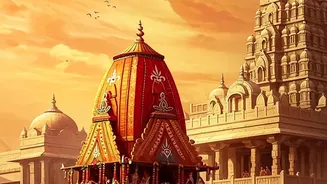
In Eastern India, particularly West Bengal and Odisha, the festival food is shaped by local produce and sweet-making traditions. In Bengal, the celebration often includes Taler Bora, sweet fritters made from the pulp of the sugar palm fruit, which is in season during this time. The cuisine of Odisha, especially at the Jagannath Temple in Puri, has a deep connection to Krishna worship. While the grand Chappan Bhog is a daily affair there, it takes on special significance during festivals. The offerings include a variety of pithas (rice cakes) like Poda Pitha and Manda Pitha, along with milk-based sweets that are distinct from those in the North. These regional variations demonstrate how the central story of Krishna is interpreted through local ingredients and culinary customs.
A Unifying Thread of Devotion
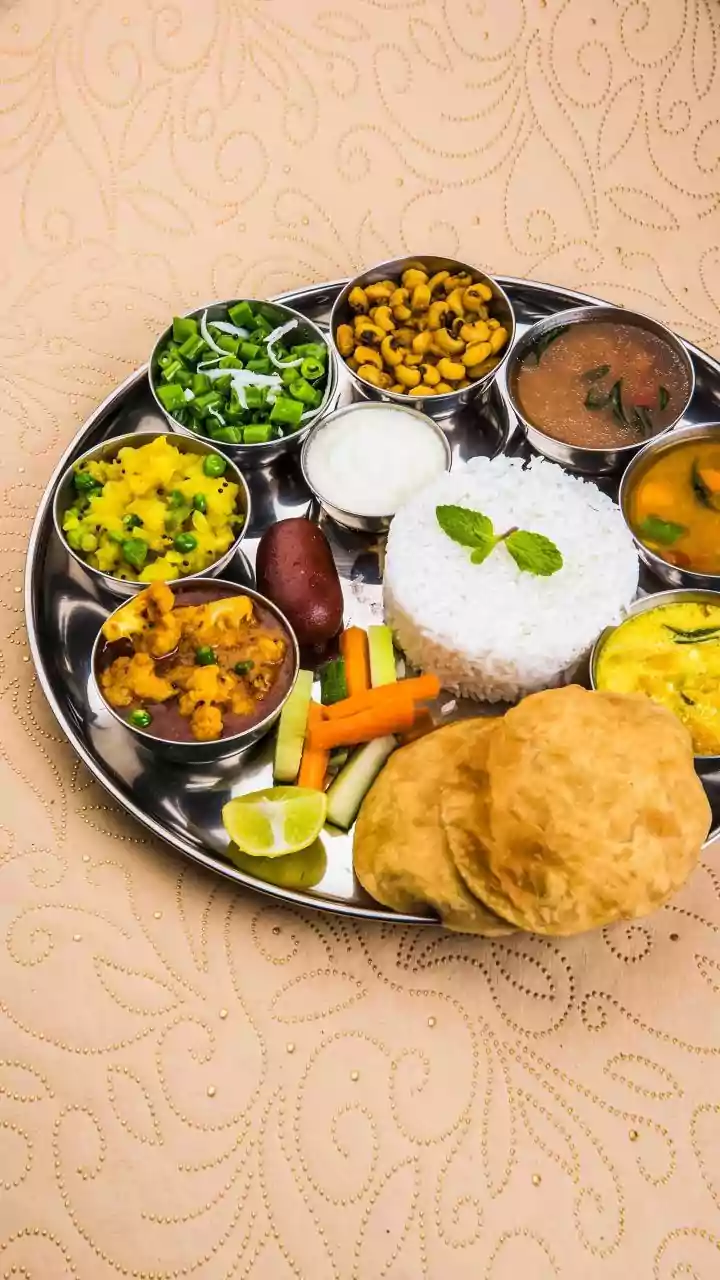
While the dishes change from state to state — from Mathura's peda to Tamil Nadu's seedai and Maharashtra's Gopalkala — the underlying principle remains the same. Each dish is a bhog, an offering made with love and devotion, which is then shared as prasad, or blessed food. The food is traditionally sattvic, prepared without onion or garlic, focusing on purity of ingredients and intention. This incredible variety is not a sign of a divided festival; rather, it's a reflection of India's pluralism. The unity of Janmashtami lies not in a fixed menu, but in the shared act of preparing and offering food as an expression of faith and joy.