



The Challenge of Urban Flooding
For many urban residents, severe rainfall brings a predictable cycle of chaos: waterlogged streets, stalled traffic, and the threat of water entering homes and businesses. This issue, often called severe rain infiltration, occurs when a city's drainage
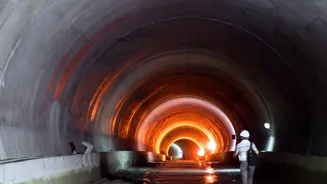
system is overwhelmed. In India, rapid urbanisation and increasingly intense monsoon seasons, likely exacerbated by climate change, have pushed traditional drainage infrastructure to its limits. These systems, often aging and clogged with silt and waste, simply cannot cope with the sheer volume of water from a modern cloudburst. The consequences are not just inconvenient; they pose significant risks to public health, property, and economic activity. A passive drainage system means authorities can only react once the flooding is already underway.
Introducing Smart Drainage Technology
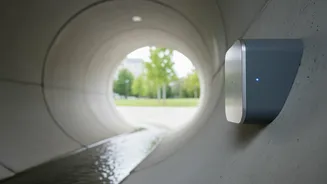
Enter the real-time drainage monitor, a key component of what are known as smart drainage systems. At its core, this technology is an application of the Internet of Things (IoT)—a network of connected devices that share data over the internet. In this case, specialized sensors are placed inside underground drainage pipelines and manholes. These rugged devices are designed to measure critical data points in real-time, such as the water level, the rate of flow, and even the presence of toxic gases or blockages caused by debris. This information, once collected, is instantly transmitted wirelessly to a central control centre, turning a once-invisible network of pipes into a live, digitized system.
From Reactive Cleanup to Proactive Prevention
The true power of this technology lies in its ability to shift municipal operations from being reactive to proactive. In a traditional system, a blocked drain is only discovered after it has caused a flood. With real-time monitors, the process is transformed. As sensors detect rising water levels or a significant reduction in flow rate—early indicators of a blockage—they automatically trigger an alert. This alert, sent to a municipal control room, can pinpoint the exact location of the problem. Some advanced systems even use artificial intelligence to analyse data and predict potential pipe bursts or overflows hours in advance. This allows maintenance crews to be dispatched to clear the obstruction before it causes a backup, effectively preventing the flood from ever happening.
Tangible Benefits for City Dwellers
For residents of an urban neighbourhood, the benefits are immense and immediate. The primary advantage is, of course, a dramatic reduction in the risk of localised flooding and the associated damage to homes, vehicles, and businesses. This enhanced safety also means public services can continue to operate more smoothly during heavy rainfall. Pilot projects and implementations in Indian cities like Chennai and Hyderabad have already demonstrated the potential of these systems. By ensuring drains remain clear and functional, real-time monitoring leads to safer, more resilient communities. It reduces the risk of waterborne diseases that can spread through stagnant floodwater and minimizes the economic disruption that follows a major inundation event.
Challenges on the Road to Smarter Cities
Despite the clear advantages, the widespread adoption of smart drainage systems in India faces hurdles. A significant challenge is the cost and complexity of retrofitting this modern technology into existing, often century-old, urban infrastructure. The Smart Cities Mission, while ambitious, has encountered delays related to funding, land acquisition, and coordinating between different government bodies. Furthermore, making these systems work requires a skilled workforce capable of installing, maintaining, and analysing the data from these sophisticated networks. Building this capacity is a crucial step for urban local bodies across the country.