







Watch for Changes in the Ground
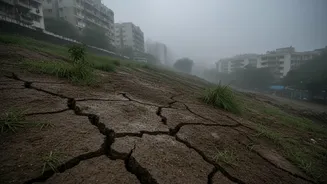
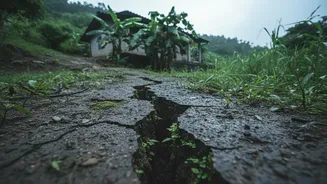
The earth often provides clear visual clues before it gives way. Residents in hilly or sloped areas should be vigilant for new cracks appearing in the soil, on pavements, or on roads. These cracks, especially if they run parallel to the slope, indicate
the ground is under stress and pulling apart. Another significant sign is the appearance of unusual bulges or swelling at the base of a slope. This suggests that material from above is pushing the ground outward. Also, look for soil pulling away from the foundations of your home or retaining walls, as this points to unstable ground.
Pay Attention to Water
Water is the most common trigger for landslides, so changes in its behaviour are a major red flag. Be alert for new springs, seeps, or suddenly saturated patches of ground in areas that were previously dry. A rapid increase in the water level of nearby creeks or streams, especially if the water becomes muddy or filled with soil, can signal that a slide is already happening upstream. Conversely, a sudden decrease in stream flow during heavy rain can also be a danger sign, possibly indicating that water is being blocked by moving debris further up the slope. Broken water lines or leaking pipes that create unexplained wet spots are also cause for concern.
Look for Tilting Structures and Trees
Slow ground movement can cause stationary objects to shift over time. Trees, telephone poles, or fences that begin to lean are classic indicators of creeping ground instability. While a single leaning tree might not be alarming, a group of trees tilting in the same direction is a serious warning sign. This slow shift applies to man-made structures as well. Take note if retaining walls start to tilt or if decks, patios, and stairs begin to move or separate from the main house structure.
Notice Changes Inside Your Home
The effects of unstable ground can manifest inside your home long before a major slide. One of the most common signs is when doors and windows that previously opened and closed easily suddenly begin to stick or jam. This happens as the building's frame is slowly distorted by the moving ground underneath. New cracks appearing in plaster, tile, brick, or foundations are another critical warning. While small settlement cracks can be normal, new, spreading, or diagonal cracks demand immediate attention. Tilting or cracked concrete floors and foundations are also serious indicators of ground movement.
Listen for Unusual Sounds
Sometimes, the first warning of a landslide is something you hear, not something you see. If you are near a slope, listen for faint and unusual sounds. Trees cracking, boulders knocking together, or a faint rumbling that slowly grows louder can indicate that debris is on the move. These sounds may be subtle at first but can be the precursor to a rapid and dangerous debris flow. Authorities note that some fast-moving landslides generate a sound and vibration similar to a passing freight train. Never dismiss strange noises, especially during or after intense rainfall.
What to Do Immediately
Recognising the signs is only the first step; taking swift action is what saves lives. If you see multiple warning signs or suspect a landslide is imminent, your priority is to evacuate. Move away from the path of the potential slide to higher ground if possible. Inform your neighbours to alert them to the danger and help anyone who may need assistance evacuating. Contact your local authorities, such as the Brihanmumbai Municipal Corporation (BMC) disaster management cell, the police, or the fire department, to report your observations immediately. Stay away from the slide area after it occurs, as further failures are common.