


The Two Types of Dietary Iron
Iron is an essential mineral that our bodies need to produce red blood cells and transport oxygen. Without enough of it, we can feel fatigued and weak, a condition that can lead to iron-deficiency anaemia. Iron in our food comes in two main forms: heme
and non-heme. Heme iron is found in animal products like meat, poultry, and fish. It's the most easily absorbed type, with your body taking in up to 30-35% of what you consume. On the other hand, non-heme iron comes from plant-based sources like lentils, beans, spinach, nuts, and fortified grains. This type is much more common in global diets, but it's also harder for our bodies to absorb, with absorption rates hovering between 2% and 20%. This is a key challenge for vegetarians, vegans, and anyone who relies heavily on plants for their nutrition.
The Challenge with Plant-Based Iron
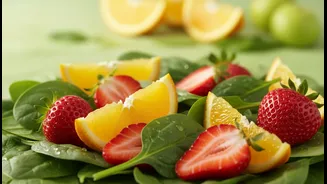
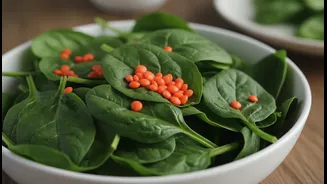
So, why is non-heme iron so much trickier for our bodies to use? The main reason is its chemical structure. Most plant-based iron is in a form called ferric iron (Fe³⁺). Our gut, however, is designed to primarily absorb iron in a different form, called ferrous iron (Fe²⁺). To make matters more complex, plant-based foods often contain compounds called inhibitors, such as phytates (found in whole grains, beans, and nuts) and polyphenols (found in tea and coffee). These substances can bind to non-heme iron in the gut, forming insoluble compounds that the body cannot absorb, effectively blocking the iron from entering your system. This means that even if you eat a spinach salad packed with iron, you might not be getting the full benefit if these inhibitors are present.
Vitamin C: The Absorption Superstar
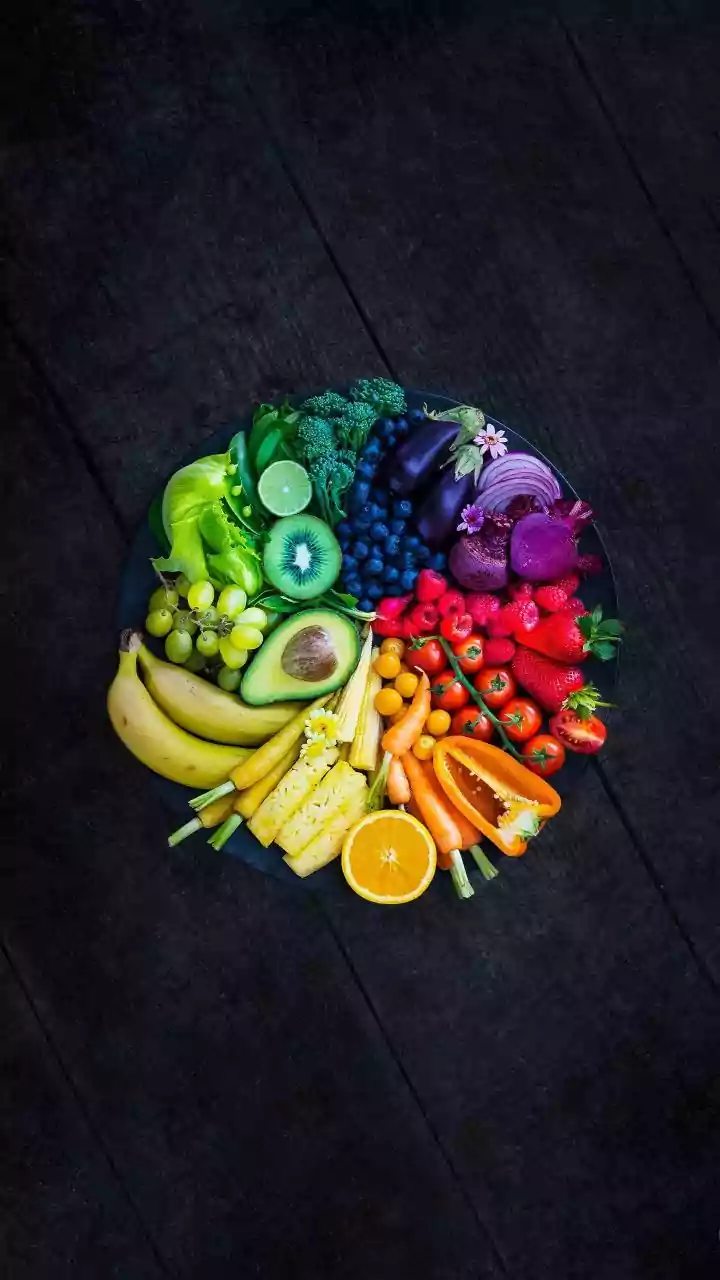
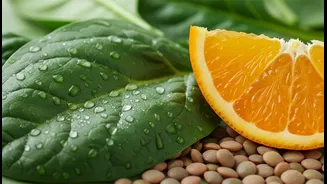
This is where vitamin C, also known as ascorbic acid, comes to the rescue. It acts as a powerful enhancer of non-heme iron absorption through a two-pronged approach. First, vitamin C is a potent reducing agent. In the acidic environment of the stomach, it donates an electron to ferric iron (Fe³⁺), converting it into the much more absorbable ferrous iron (Fe²⁺) form that our intestinal cells can readily take up. Second, vitamin C forms a soluble complex with iron in the gut. This 'chelate' keeps the iron dissolved and prevents it from binding with inhibitors like phytates. This one-two punch ensures that more iron remains available for absorption as it travels through the small intestine. The effect is significant; studies have shown that adding vitamin C to a meal can increase non-heme iron absorption several times over.
Smart Pairings for Your Plate
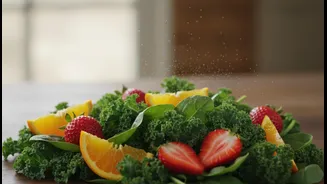
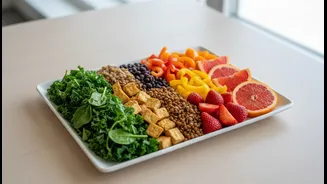
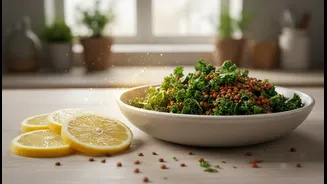
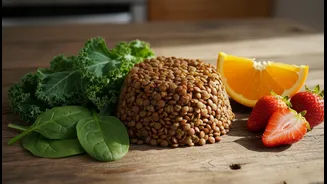
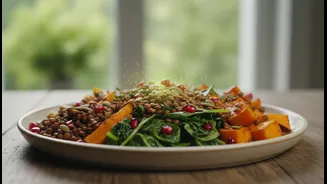
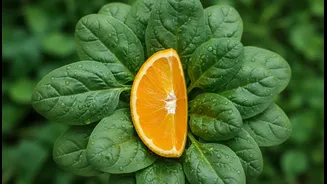
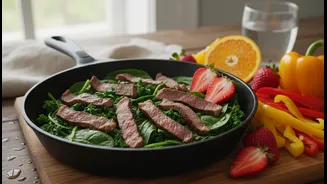
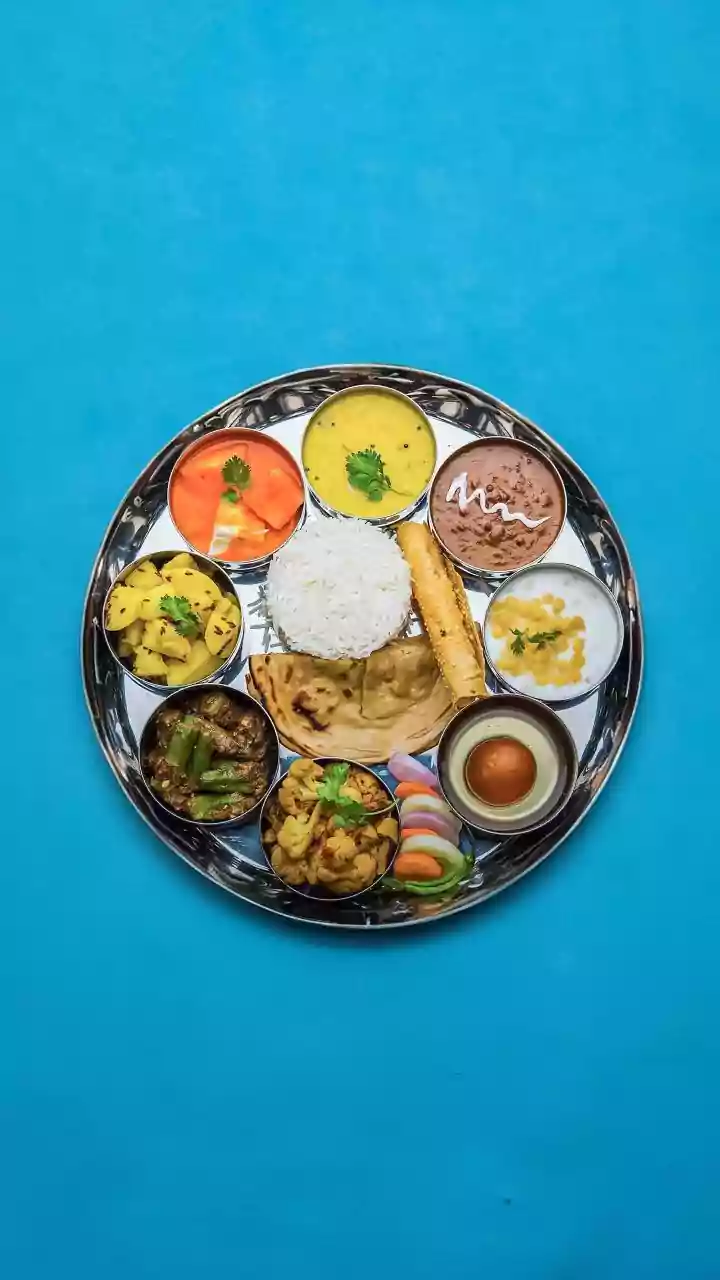
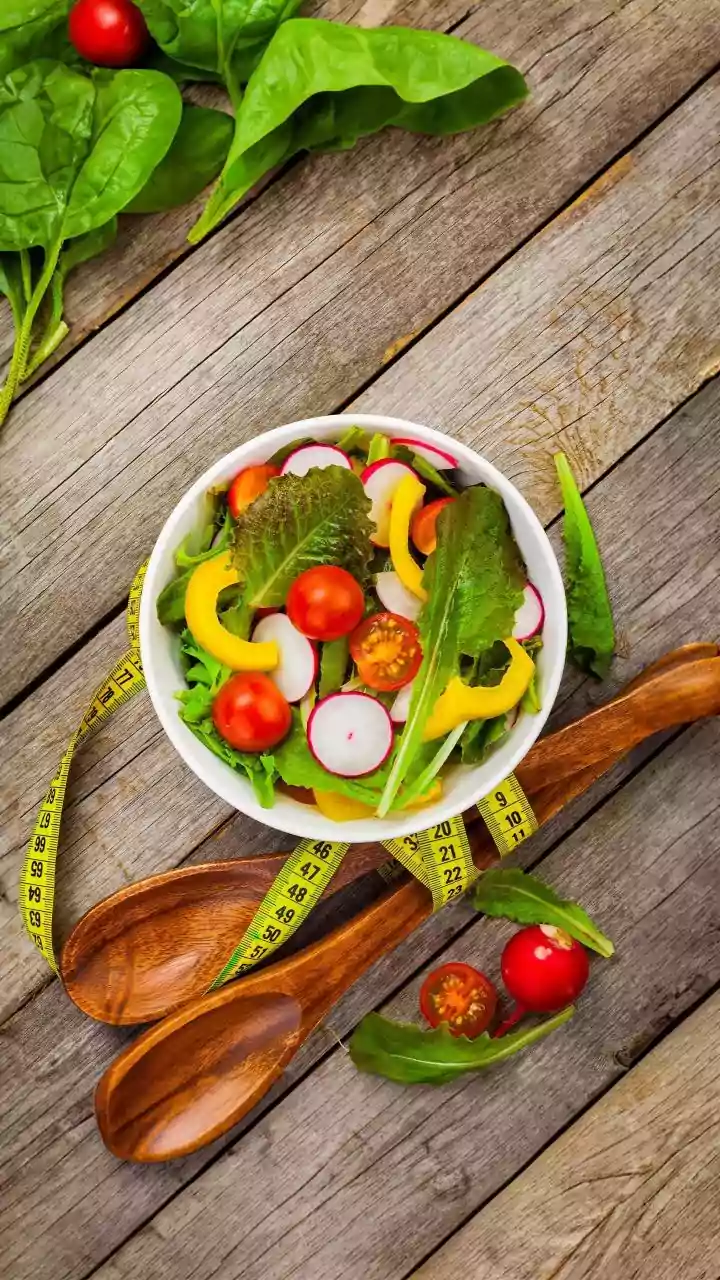
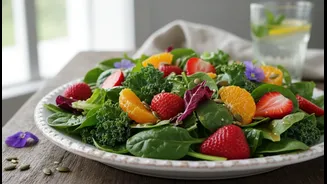
The best part about this nutritional science is how easy it is to apply. The key is to consume iron-rich plant foods and vitamin C-rich foods in the same meal. The effect is most potent when they are eaten together, not hours apart. For an Indian audience, this can be seamlessly integrated into daily meals. Consider squeezing lemon juice (a great source of vitamin C) over your dal (lentils) or bean curry. A side of tomato and onion salad with your spinach sabzi is another excellent combination. Classic Indian dishes often do this naturally, like chana masala, which combines iron-rich chickpeas with tomatoes. Other powerful pairings include having a glass of orange juice with your iron-fortified breakfast cereal or adding bell peppers (capsicum) to a bean-based dish. Even simple additions, like adding amla (Indian gooseberry) chutney to a meal, can provide a significant vitamin C boost.
What to Avoid When Eating Iron-Rich Meals
Just as some foods enhance iron absorption, others can hinder it. The main culprits to be mindful of are tea and coffee, which are high in iron-blocking tannins. Calcium also competes with iron for absorption, so it's wise to avoid consuming dairy products or calcium supplements at the same time as your main iron-rich meal. This doesn't mean you have to give up your morning chai or coffee, but it's better to enjoy it at least an hour before or after your iron-heavy meal rather than with it. By strategically timing your food and beverage intake, you can create the optimal conditions for your body to absorb the maximum amount of iron from your food.