

How Humidity Interacts With Your Skin
Humidity is the amount of water vapor in the air. Your skin is in a constant state of exchange with the environment, naturally losing water to the air through a process called transepidermal water loss (TEWL). When humidity is high (typically above 60%),
the air is already full of moisture, which slows down this water loss and helps your skin stay hydrated. However, this can also lead to issues. High humidity can cause your pores to open, making them more susceptible to collecting dirt, oil, and bacteria, which can trigger breakouts and a greasy feeling. Conversely, in low humidity (often below 40%), the dry air pulls moisture from your skin more rapidly, leading to dehydration, flakiness, and irritation. The ideal level for skin health is often considered to be around 50% humidity.
Skincare for High Humidity
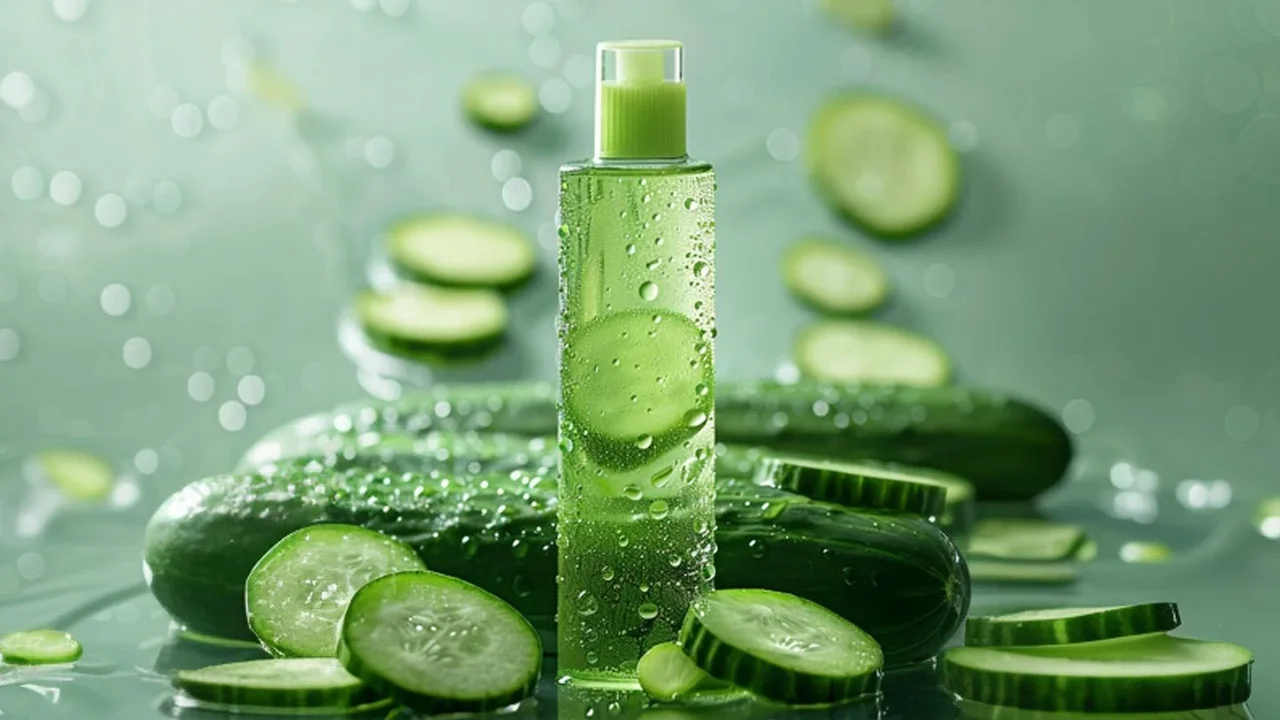
In sticky, humid weather, the goal is to manage excess oil and prevent clogged pores without stripping your skin. Heavy creams and oils that feel nourishing in dry conditions can feel suffocating and lead to breakouts in a humid climate. Start by switching to a lighter cleanser. A foaming or gel cleanser can be effective at removing the mix of sweat, oil, and grime that accumulates on the skin. Follow up with lightweight, breathable products. Look for oil-free or gel-based moisturizers and serums. Ingredients like niacinamide are excellent for humid weather because they can help regulate oil production and improve the look of your skin's tone without adding weight. If you're prone to breakouts, incorporating a product with salicylic acid can help keep pores clear. The key is to provide hydration without trapping excess oil and sweat.
Skincare for Low Humidity
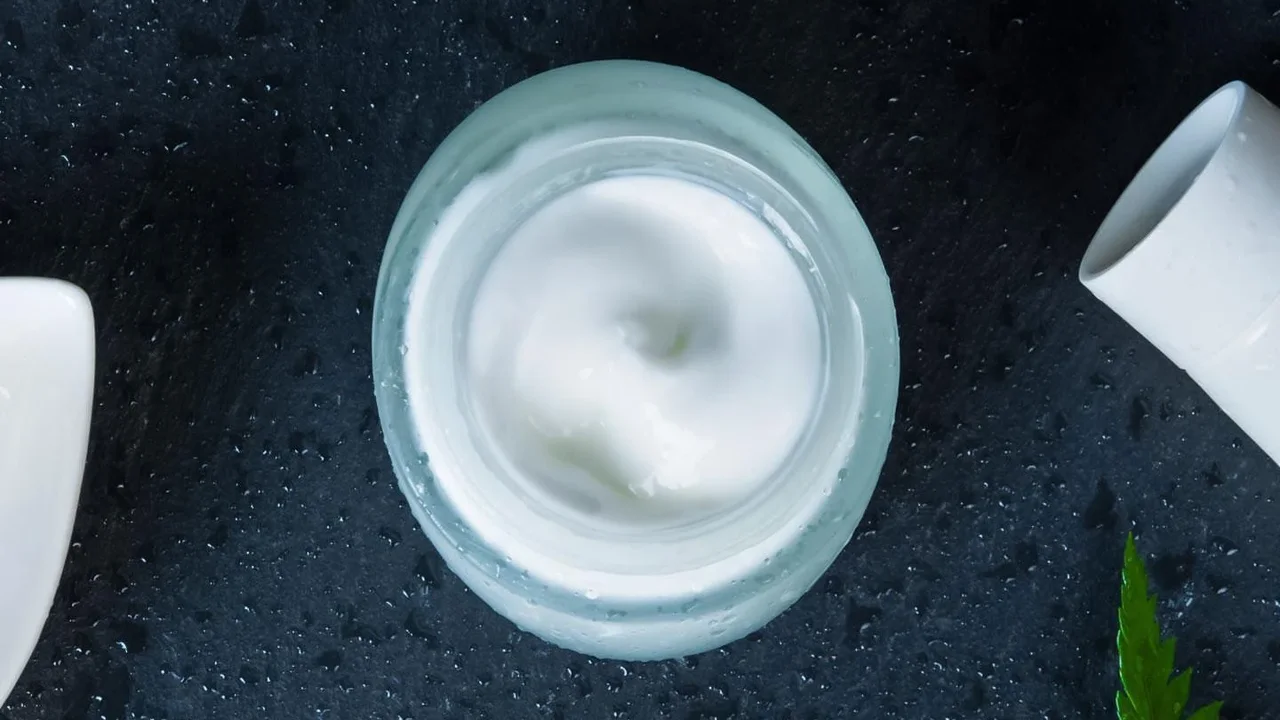
When the air is dry, your focus should shift to preventing moisture loss and supporting your skin's barrier. The dry air can compromise this barrier, making skin more vulnerable to irritation and causing fine lines to appear more prominent. In these conditions, gentle, creamy cleansers are preferable to foaming ones that might strip the skin of its natural oils. This is the time to layer hydrating products. A key ingredient for dry air is hyaluronic acid, but its application is crucial. Hyaluronic acid is a humectant, meaning it draws moisture to itself. To prevent it from pulling water from the deeper layers of your skin, always apply it to damp skin and immediately seal it in with a moisturizer. This 'moisture sandwich' technique ensures the hyaluronic acid draws from the water on your skin's surface, not from within. Look for richer moisturizers with occlusive ingredients like ceramides or even shea butter, which create a protective seal to lock in hydration.
Adapting Your Routine Year-Round
You don’t need to overhaul your entire collection of products every season. Often, small tweaks are all that's needed. For example, the rich cream you use at night during a dry winter might be too heavy for a humid summer day, but it could still work perfectly as a night cream. Similarly, a lightweight gel moisturizer might not be enough on its own in dry conditions, but it can be layered under a richer cream for an extra boost of hydration. Pay attention to how your skin feels. If you consistently feel greasy by midday, it might be time to switch to a lighter daytime moisturizer. If your skin feels tight and looks dull, you may need to add a hydrating serum and a more substantial cream. And no matter the humidity, daily sunscreen is non-negotiable. In high humidity, you might prefer a lightweight or mineral powder formula, while in dry weather, a more moisturizing SPF lotion might feel more comfortable.