



Why Your Balcony Matters
In India's rapidly growing cities, parks and green spaces are shrinking, which has a direct impact on local flora and fauna. Species like the house sparrow, once common, have seen populations decline due to habitat loss. However, a network of green balconies,
windowsills, and terraces can create crucial mini-habitats. While one balcony cannot replace a forest, thousands of them can form a connected green corridor, providing vital resources for urban wildlife. The goal is to think beyond just what looks pretty and start asking what local wildlife needs to complete its life cycle.
The Nectar Bar: Flowers for Pollinators
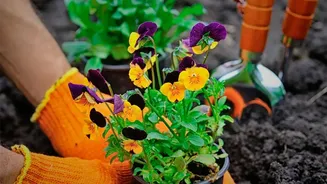
Nectar is the fuel that powers pollinators. Planting a variety of flowering plants ensures a steady food supply for bees, butterflies, and nectar-loving birds like sunbirds. Brightly coloured, trumpet-shaped flowers are often the most attractive. Consider native or traditional favourites like Hibiscus (Gudhal), Marigold (Genda), and Jasmine (Mogra). Even flowering herbs like Tulsi and mint, or vegetable plants like chillies and tomatoes, can be valuable sources of nectar if you let them bloom. For a continuous buffet, aim to have different plants that bloom in different seasons.
The Seed Cafe: Grains for Birds
Once flowers fade, they can offer another critical resource: seeds. Instead of immediately deadheading spent blooms, allow them to develop seed heads. These are a feast for seed-eating birds like sparrows and munias. Sunflowers are a classic example, providing nectar when in bloom and a bounty of seeds later. You can also easily grow native grasses or grains like foxtail millet (Bajra) in pots. These plants are easy to maintain and serve as a direct food source, helping to sustain local bird populations through the year.
A Safe Haven: Plants for Shelter
Wildlife needs places to hide from predators, rest, and build nests. Dense, bushy plants and climbers are perfect for providing this much-needed shelter. A thick Bougainvillea on a trellis, a dense Curry Leaf shrub, or even a collection of potted ferns can create safe spaces. Mimicking the layered structure of a natural habitat—with taller plants, medium-sized shrubs, and ground cover—creates more niches for different species, even in a small area. Don't be too quick to tidy up; a few fallen leaves under a shrub can provide shelter for beneficial insects and improve soil health.
Just Add Water (and a Perch)
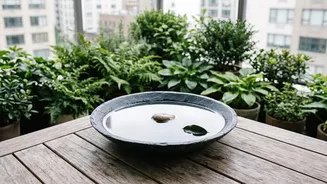
Beyond plants, water is the single fastest way to bring your urban garden to life, especially during India's long dry summers. A shallow terracotta or stone dish, only a couple of centimetres deep, makes a perfect birdbath. It's crucial that the dish is not deep or slippery; adding a small stone in the middle gives birds a safe place to land and drink. For smaller creatures like bees and butterflies, which can drown easily, a very shallow plate with pebbles or marbles will allow them to drink safely. Also consider adding small branches or perches to give birds a place to rest.