





The Mainstream Appeal of Protein
For years, protein was a niche interest, confined to gyms and bodybuilders. Today, it has gone mainstream, becoming a primary driver for snack purchases across India. A staggering 86% of Indian consumers now consider protein an important factor when choosing
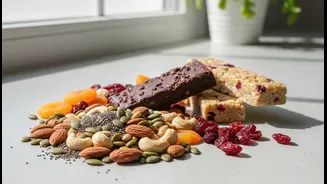
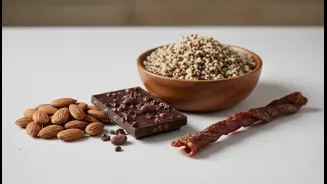
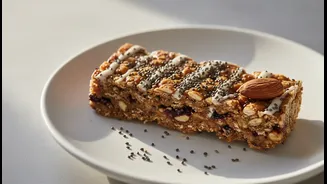
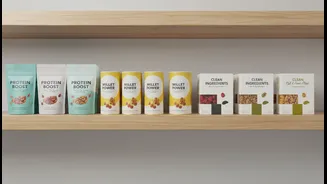
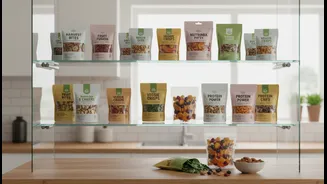
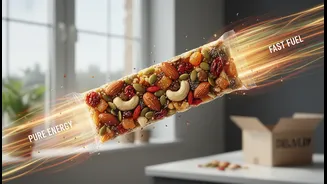
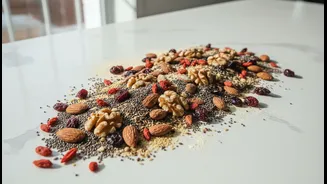
a snack. This is not just a passive preference; nearly a third of shoppers are willing to pay a premium for products fortified with protein, signalling a fundamental shift in how they perceive value. The new consumer logic equates higher protein with better nutrition and a more functional, fulfilling snack. This has moved the market away from simply low-calorie or low-fat claims towards a more nutrient-dense proposition. Brands are responding by launching everything from makhana and nuts to protein bars and millet-based puffs to meet this growing demand.
The Non-Negotiable Demand for Transparency
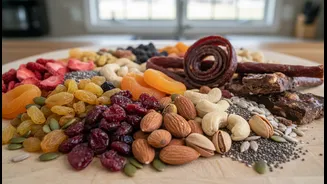
Today's consumers are detectives, and food labels are the clues. They want to know what is in their food, where it came from, and what the brand stands for. This demand for transparency has become non-negotiable. According to recent studies, 62% of consumers say clear ingredient information is the most important factor when choosing a snack brand, ranking it higher than celebrity endorsements. The call is for 'clean labels'—simple, recognisable ingredients free from artificial additives. Consumers are also showing a strong preference for snacks with natural sweeteners like jaggery or dates over refined sugar. This shift means that brand reputation is now built on trust and honesty. Companies that provide detailed information about sourcing, processing, and nutritional benefits are building lasting loyalty with an increasingly discerning audience.
The Decisive Role of Fast Delivery
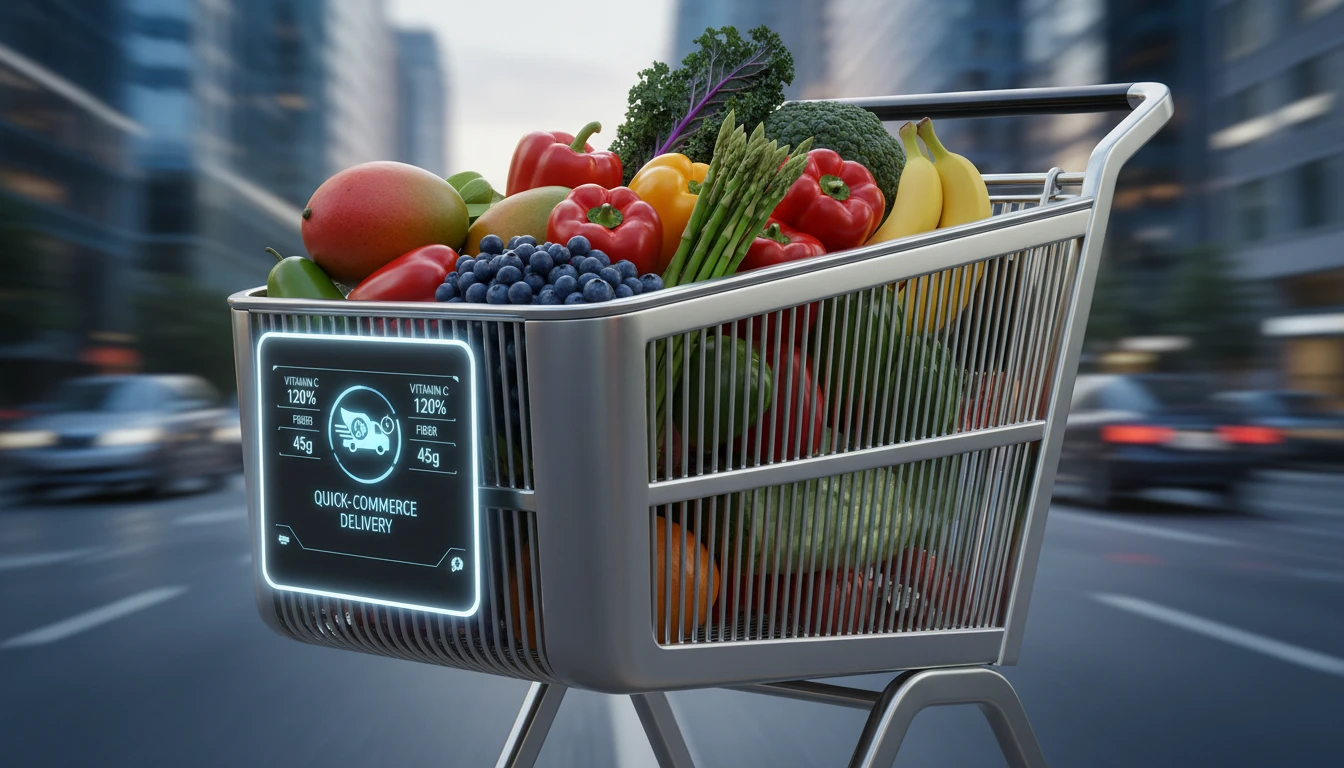
A great product is no longer enough; it has to be available now. The explosion of quick commerce has fundamentally rewired consumer expectations for convenience. Platforms delivering in 10-30 minutes have turned the desire for a healthy snack into an instant, impulse-driven purchase. Snacks and beverages have become a dominant category on these platforms, accounting for roughly 32% of orders due to their high-frequency, impulsive nature. For Direct-to-Consumer (D2C) brands, quick commerce has become an essential channel for discovery and growth, enabling them to compete with legacy giants by offering superior accessibility. This 'need for speed' means that a brand's distribution strategy is as critical as its product formulation. Availability on platforms like Blinkit, Zepto, and Swiggy Instamart is no longer a bonus; it is a prerequisite for winning the modern Indian snacker.