



The Drainage Dilemma
The single greatest threat to potted plants during the monsoon is waterlogging. While rain seems like a blessing, constant downpours can saturate the soil, depriving roots of the oxygen they need to survive. This leads to root rot, a condition where roots decay,
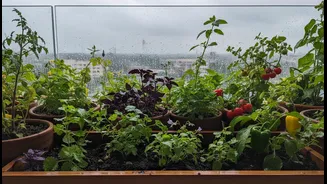
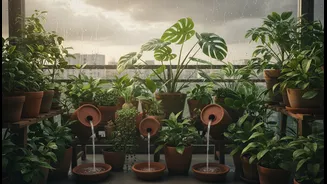
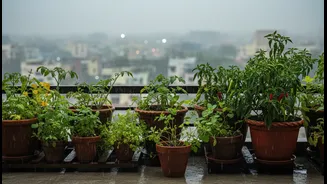
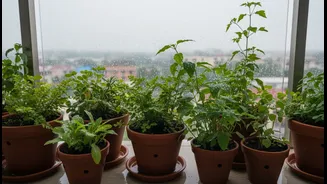
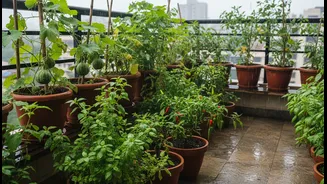
often signaled by yellowing leaves, mushy stems, and a foul smell from the soil. The solution begins with your pot. Every container must have clear, unobstructed drainage holes. It's a common mistake to assume a pot has adequate drainage without checking. Before the monsoon, inspect every pot and clear any clogged holes. Elevating pots on bricks, pot feet, or stands provides an extra advantage, allowing air to circulate underneath and ensuring water can escape freely. Also, avoid letting pots sit in saucers filled with rainwater; empty them promptly to prevent roots from standing in stagnant water.
The Sunlight Struggle
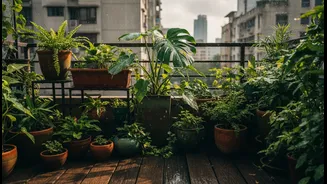
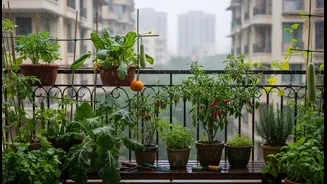
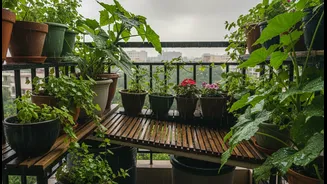
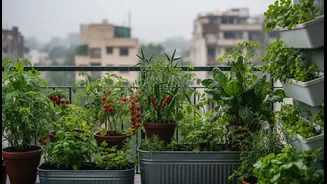
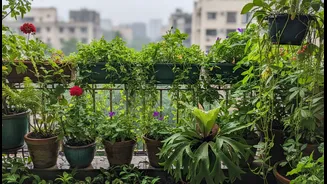
After drainage, the next challenge is managing sunlight. The monsoon is characterized by overcast skies, significantly reducing the amount and intensity of light your plants receive. Plants that thrive in full sun during summer may become 'leggy' or stretched, with pale leaves and weak growth, as they search for light. To combat this, you may need to play musical chairs with your pots. Move sun-loving plants to the brightest part of your balcony, perhaps the edge of the railing where they can catch maximum available light. Rotate your pots every few days so all sides get some exposure. For balconies that become especially dark, consider the types of plants you are growing. Some species, like ferns and certain indoor plants, thrive in the lower light and high humidity of the rainy season. It might be the perfect time to give these shade-lovers a prime spot.
Pot Size and Soil Matter
Choosing the right pot size is crucial, especially in the monsoon. A common beginner mistake is using a pot that is too large for a small plant, believing it gives the plant room to grow. However, oversized pots contain a large volume of soil that can stay wet for extended periods, increasing the risk of root rot. Conversely, a pot that is too small will restrict root growth and may become unstable. The material of the pot also plays a role; porous containers like terracotta help soil breathe and dry out faster, which is beneficial during the wet season. Plastic pots retain more moisture, so you must be extra vigilant about drainage. Your potting mix is just as important. Heavy, clay-rich garden soil is not ideal for containers as it compacts and holds too much water. A lightweight, well-draining potting mix containing cocopeat, compost, and perlite or sand will keep your plants happy.
Beyond the Basics: Pests and Pruning
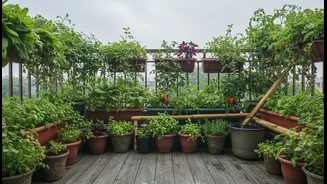
With high humidity comes an increased risk of fungal diseases and pests. Powdery mildew and other fungi thrive in damp, stagnant conditions. To prevent this, ensure good air circulation around your plants by not overcrowding them. Pruning can help. Trimming excess foliage and removing any dead or yellowing leaves improves airflow and allows the plant to focus its energy on healthy growth. This is also a good time to keep an eye out for pests like mealybugs, which love the humid weather. A preventative spray of neem oil solution can be an effective organic deterrent. Finally, go easy on the fertilizer. Heavy rains can wash nutrients from the soil, but adding too much fertilizer when the plant is already stressed can do more harm than good. A light feeding with organic compost every few weeks is usually sufficient.