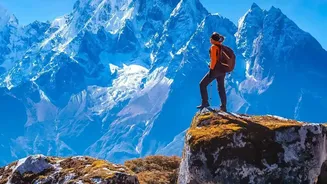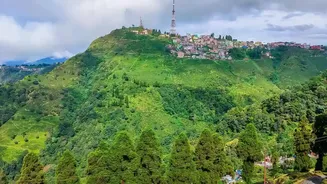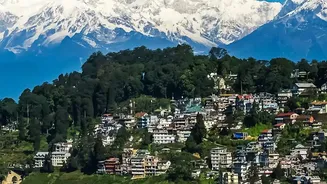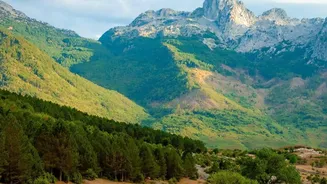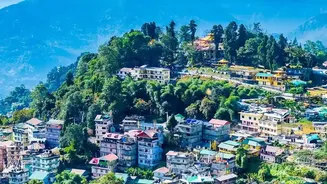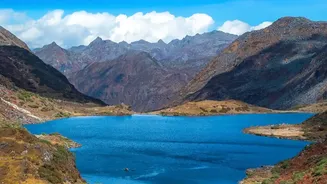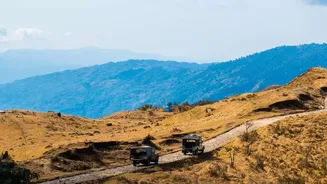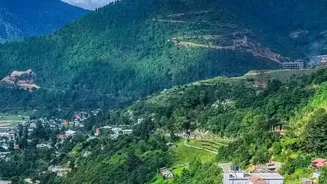

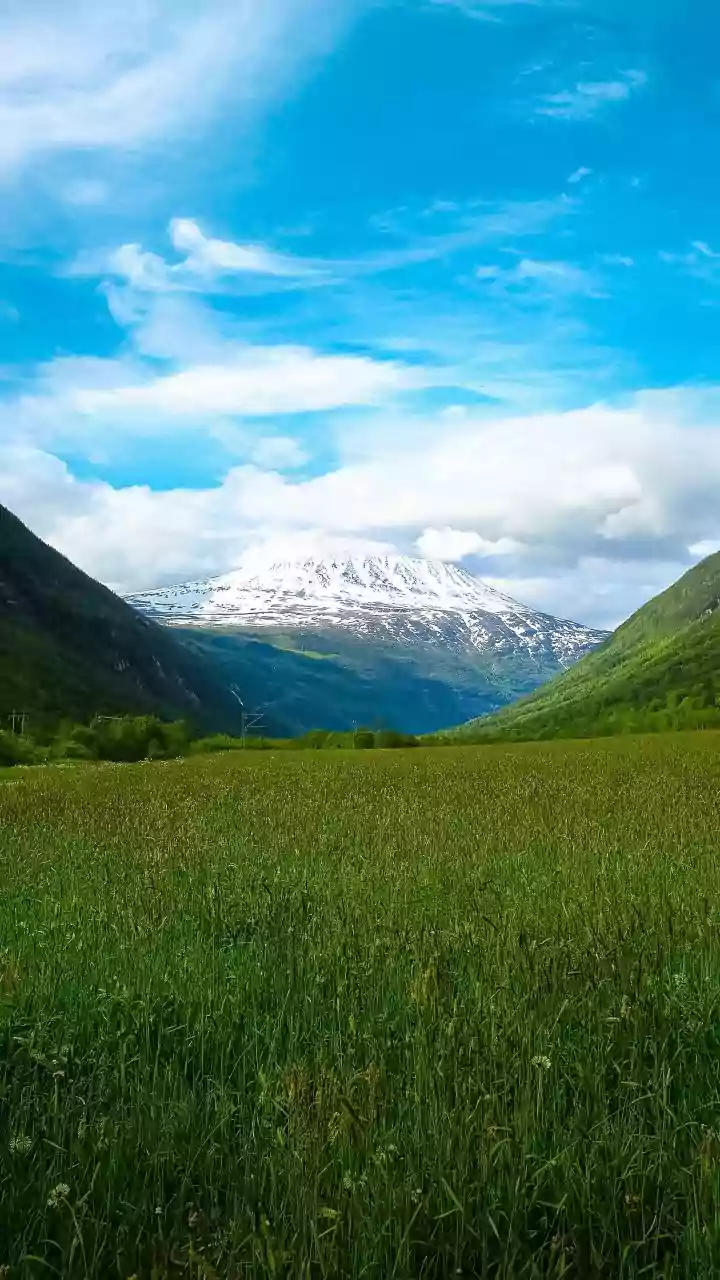
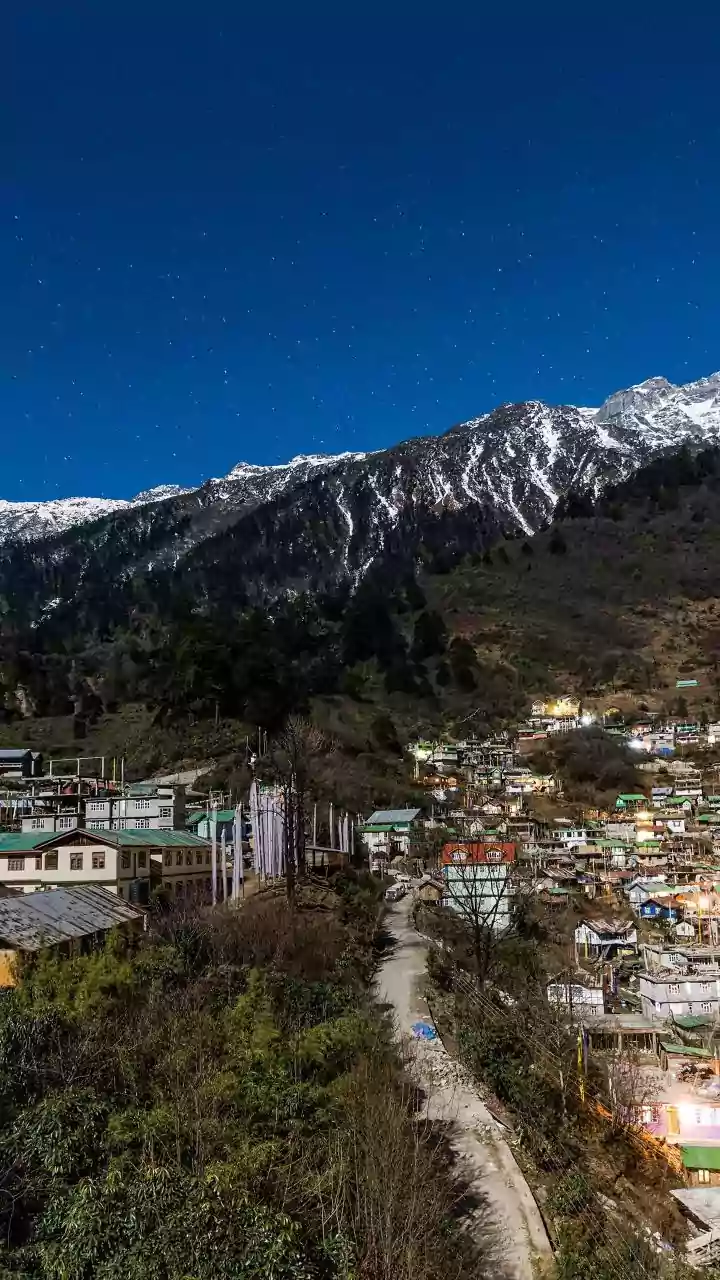
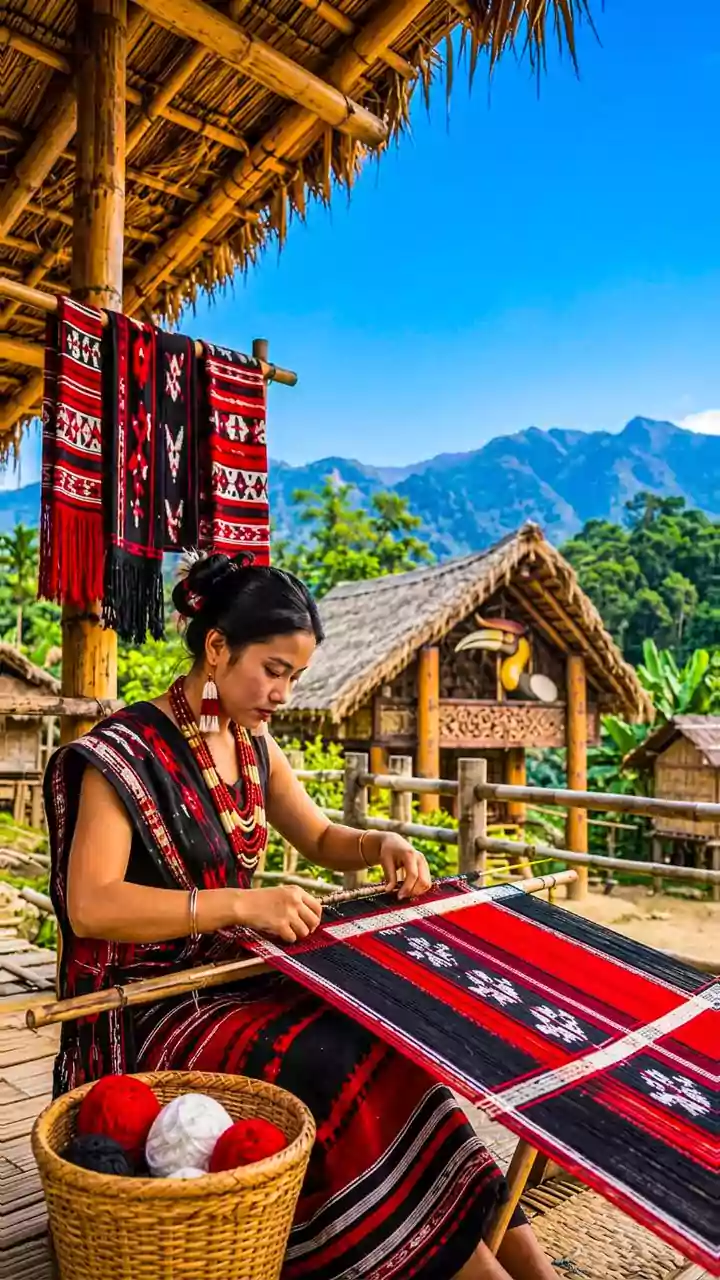

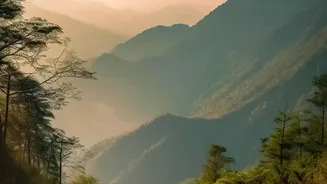
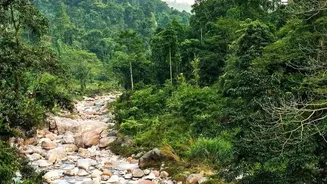
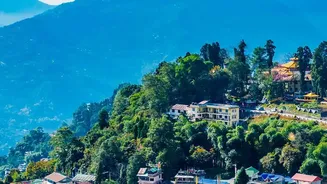
Sikkim's breathtaking landscape unfolds across a series of stunning valleys, each with a unique character. While any single valley offers a memorable trip, the secret to a truly immersive experience lies in combining them strategically.
The Smart Itinerary Strategy
Planning a road
trip in the Himalayas can be daunting, with mountainous terrain making distances deceptive. Instead of treating each destination as a separate trip, thinking in terms of 'circuits' allows you to experience a wider range of landscapes and cultures efficiently. Combining geographically adjacent districts—like North and East Sikkim, or West and South Sikkim—minimises backtracking and long travel days. This approach transforms your journey from a simple checklist of places into a flowing narrative, contrasting the high-altitude deserts of the north with the serene monasteries of the west, or the alpine meadows of the east with the cultural hubs of the south. It’s about getting more scenic, cultural, and experiential value from every kilometre you travel.
The High-Altitude Duo: North & East Sikkim
This is the classic combination for adventurers seeking dramatic, high-altitude scenery. This circuit connects the rugged, remote beauty of North Sikkim with the iconic glacial lakes of the East. An ideal itinerary starts in Gangtok (East Sikkim), the vibrant capital city that serves as a base for acquiring permits. From here, you can make a day trip to the stunningly beautiful Tsomgo Lake and the historic Nathu La pass on the Chinese border. After acclimatising, the journey pushes north to the valleys of Lachen and Lachung. Lachen is the gateway to the sacred, sky-high Gurudongmar Lake, one of the world's highest lakes. Lachung, on the other hand, leads to the ethereal Yumthang Valley, famously known as the 'Valley of Flowers'. Combining these two regions offers a journey through shifting landscapes, from bustling towns to serene lakes and finally to the stark, wild beauty of the Tibetan plateau borderlands.
The Cultural Heartland: West & South Sikkim
For travellers more interested in culture, history, and tranquil spirituality, pairing West and South Sikkim is a perfect choice. This route is generally at a lower altitude, making it more accessible and less physically demanding. The journey can begin in West Sikkim's main town, Pelling, which offers jaw-dropping, direct views of Mount Kanchenjunga. Key sites here include the historic Pemayangtse Monastery, the ruins of the former Sikkimese capital at Rabdentse, and the sacred, wish-fulfilling Khecheopalri Lake. From Pelling, the road trip can wind down into South Sikkim, a region known for its monumental statues and serene gardens. Visit Namchi to see the massive Char Dham temple complex and the towering statue of Guru Padmasambhava on Samdruptse Hill. Nearby, Ravangla’s Buddha Park offers a peaceful and photogenic stop. This combination provides a deep dive into Sikkim's Buddhist heritage, royal history, and includes a visit to the state's only tea garden at Temi.
Essential Permit and Planning Info
Strategic planning is incomplete without understanding Sikkim's permit requirements. While visiting main towns like Gangtok, Pelling, Ravangla, and Namchi requires no special permits for Indian tourists, entering protected areas near international borders does. A Protected Area Permit (PAP) is mandatory for both Indian and foreign tourists to visit North Sikkim (including Lachen, Lachung, Yumthang Valley, and Gurudongmar Lake) and parts of East Sikkim like Tsomgo Lake. Foreign nationals also require a Restricted Area Permit (RAP) to enter the state itself. These permits are best arranged through a registered Sikkim-based travel operator, who will bundle them with your vehicle and accommodation bookings. Always carry multiple passport-sized photographs and copies of a valid photo ID (like a Passport, Voter ID, or Driving License) for each traveller. Planning these logistics in advance is crucial for a smooth and hassle-free journey.