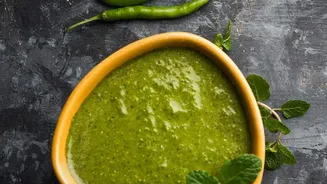







The Core of the Chutney: Key Ingredients
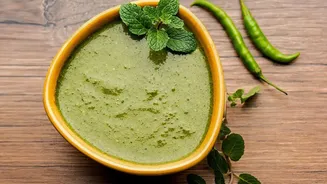
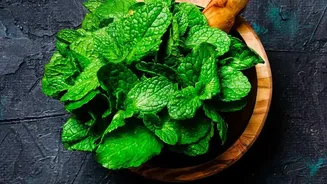
Mint and cumin are a classic pairing in Indian cuisine, offering a balance of cool and warm flavours. The success of this chutney lies in understanding the role of each component. Fresh mint leaves (pudina) provide the primary cooling and refreshing taste,
while roasted cumin (jeera) lends a warm, earthy, and nutty undertone. Green chillies bring the heat, ginger adds a pungent kick, and an acid like lemon juice or tamarind provides the necessary tang. Lemon juice also plays a crucial role in preserving the chutney's vibrant green colour by preventing oxidation. Many recipes also incorporate coriander leaves to balance the sometimes overpowering flavour of mint. Small amounts of sugar or jaggery can be used to balance the heat and tang, creating a more rounded flavour profile.
Your Ingredient Checklist
While recipes vary, a classic mint cumin chutney includes a core set of ingredients. For a basic version, you will need: - 1 to 1.5 cups fresh mint leaves, tightly packed (only leaves, no thick stems) - ½ to 1 cup fresh coriander leaves (optional, but recommended) - 1 to 2 green chillies, adjusted to your spice preference - ½ inch piece of ginger - ½ to 1 teaspoon roasted cumin powder or whole cumin seeds - 1 tablespoon lemon juice, or to taste - Salt to taste - A pinch of sugar (optional) - 2 to 3 tablespoons of water, preferably ice-cold, as needed for blending
Step-by-Step Guide to Perfection
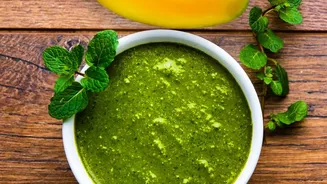
Making mint cumin chutney is a simple process that requires a blender. First, thoroughly wash the mint and coriander leaves. It is crucial to use only the mint leaves, as the stems can impart a bitter taste to the final product. For coriander, the tender stems can be included as they are full of flavour. Add the mint, coriander, green chillies, ginger, cumin, salt, and lemon juice to a blender jar. If using, add any optional ingredients like a pinch of sugar or chaat masala. Begin to blend the ingredients, adding a small amount of ice-cold water gradually to help the mixture move and achieve a smooth paste. Using ice-cold water or even a few ice cubes helps keep the herbs from heating up and losing their bright green colour. Blend in short bursts, scraping down the sides as needed, until you reach your desired consistency.
Avoiding Common Pitfalls
Two common issues with homemade mint chutney are a bitter taste and a dark, unappealing colour. Bitterness often comes from two sources: using the tough stems of the mint plant and over-blending. The stems contain bitter compounds that are released when ground. Over-blending generates heat, which can also cook the delicate leaves and alter their flavour. To avoid this, always discard mint stems and blend the chutney in short pulses just until smooth. The browning or darkening of the chutney is caused by oxidation. Adding an acid like lemon juice is the primary way to combat this and maintain the fresh green hue. Blending with ice cubes or ice-cold water also helps significantly.
Serving Suggestions and Storage
Mint cumin chutney is an incredibly versatile condiment. It is the perfect accompaniment to classic Indian snacks like samosas, pakoras, and kebabs. It can be used as a spread in sandwiches and wraps, mixed with yogurt to create a creamy dip for tandoori dishes, or simply served alongside meals like biryani or pulao to add a refreshing counterpoint. To store the chutney, place it in an airtight glass container in the refrigerator, where it will stay fresh for up to a week. For longer storage, you can freeze it. A popular method is to pour the chutney into an ice cube tray. Once frozen, transfer the cubes to a freezer-safe bag. This allows you to thaw small portions as needed, ensuring the chutney stays fresh for several months.