








The New Fitness Flex: Your Sleep Score
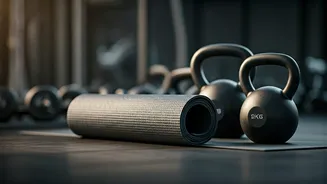
For years, the measure of a good fitness routine was how much you could endure. The conversation was dominated by personal bests and gruelling workout schedules. Today, that conversation is changing. In fitness circles and beyond, bragging about a brutal
5 AM workout is being replaced by a more nuanced metric: the sleep score. This shift represents a deeper understanding of health, where the body is viewed not as a machine to be pushed to its limits, but as a biological system that needs a balance of stress and recovery. The focus is moving from just the 60 minutes in the gym to the other 23 hours of the day, with sleep emerging as the unsung hero of a truly healthy lifestyle. This trend is especially prominent in India, where a growing wellness-conscious population is looking beyond intense workouts towards more holistic and sustainable health practices.
The Science of Gains While You Sleep
So, why the sudden obsession with our slumber? The science is clear: sleep isn't a passive state of downtime; it's a critical period for repair and growth. When you exercise, you create tiny micro-tears in your muscle fibres. It’s during deep sleep that your body gets to work repairing them, making them stronger. This is also when your body releases crucial hormones, including human growth hormone (HGH), which is vital for tissue repair and muscle development. Conversely, a lack of sleep can increase levels of cortisol, a stress hormone known to break down muscle tissue. In short, all the hard work you put in at the gym only pays off if you give your body the quality rest it needs to rebuild. Without adequate sleep, you're not just tired; you're actively working against your fitness goals.
From Gym Logs to Smart Rings
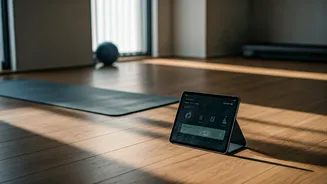
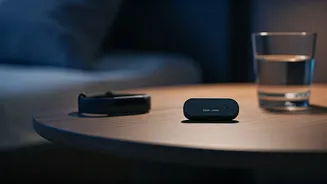
This shift has been powered by technology. A decade ago, tracking sleep meant a visit to a specialized lab. Today, it’s as simple as wearing a watch or a ring to bed. Wearable devices have made sleep tracking accessible to millions, turning abstract feelings of being 'tired' or 'rested' into concrete data. In India, the market for sleep tracking devices is growing rapidly, driven by an expanding middle class, increasing health awareness, and the availability of affordable technology. These devices don't just count hours; they monitor sleep stages (light, deep, REM), heart rate, breathing, and a crucial metric called Heart Rate Variability (HRV).
Decoding Your Body's Recovery Data
The real power of modern sleep tracking lies in these advanced metrics. Heart Rate Variability (HRV), the variation in time between your heartbeats, has become a key indicator of your body's readiness to perform. A high HRV generally signals that your body is well-rested and your nervous system is balanced, ready to take on stress (like a tough workout). A consistently low HRV can be a sign of fatigue, illness, or overtraining. By tracking these numbers, users can make informed decisions. Woke up with a high HRV and a good sleep score? It's a great day to push for a new personal record. If your score is low, maybe a gentle yoga session or a rest day is a smarter choice than a high-intensity workout. This data-driven approach helps prevent overtraining and injury, ensuring that your exercise is productive, not destructive.
It's Not 'Instead Of,' It's 'In Addition To'
The headline-grabbing trend isn't really about choosing sleep instead of reps. It's about recognizing that they are two sides of the same coin. The emerging consensus is that recovery is just as important as the training itself. This holistic view, championed by elite athletes for years, is now mainstream. People are realizing that optimal health and fitness aren't achieved through isolated efforts but through an integrated system where workouts, nutrition, stress management, and sleep all work together. The rise of sleep tracking is the ultimate sign of this new era of wellness—one where being smart about your recovery is the strongest move you can make.