





The High Cost of Going Electric
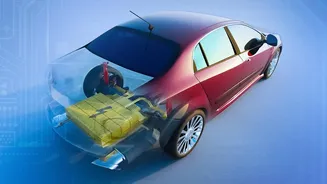
For years, the dream of affordable electric mobility in India has been tied to the cost of one critical component: the lithium-ion battery. Accounting for a significant portion of an EV's total price, these batteries rely on imported materials like lithium and
cobalt, whose supply chains are volatile and prices are high. This dependency not only makes EVs expensive for the average buyer but also exposes the nation's green ambitions to geopolitical and economic risks. While lithium-ion technology has been the global standard, its inherent costs have created a ceiling on how cheap an EV can truly get, especially in a price-sensitive market like India.
Enter Sodium-Ion: The Salt-Based Challenger
A promising solution is emerging from a surprisingly common material: salt. Sodium-ion battery technology leverages sodium, an element that is thousands of times more abundant on Earth than lithium and can be sourced locally. This abundance is its greatest advantage, offering a path to drastically lower battery costs. Indian companies are taking a leading role in this space. Reliance New Energy acquired UK-based sodium-ion pioneer Faradion, with plans to use the technology in its giga-factory in Jamnagar. Meanwhile, Pune-based KPIT Technologies has developed its own sodium-ion battery, which it claims has a long lifespan of 3,000-6,000 cycles and supports fast charging. This technology is particularly well-suited for India's massive two- and three-wheeler market, as well as commercial vehicles, where cost is a primary driver of purchasing decisions.
The Silicon Boost for Better Performance
While sodium-ion tackles the cost of raw materials, another breakthrough aims to improve battery performance and energy density. Today's lithium-ion batteries typically use graphite for the anode, which is one of the two electrodes that store and release charge. Replacing or augmenting this graphite with silicon allows the anode to hold significantly more lithium ions. This means batteries can be made smaller and lighter while storing more energy, leading to EVs with longer range. The global market for silicon anode batteries is projected to grow exponentially, driven by demand for higher-performance EVs. In India, the push for advanced battery technology and a growing EV market are creating fertile ground for silicon anode adoption, positioning the country as a key emerging player in high-energy-density battery production.
What This Means for the Indian Buyer
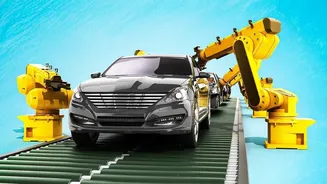
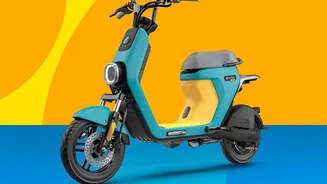
The commercialisation of these technologies is no longer a distant dream. KPIT has already partnered with Trentar Energy Solutions to begin manufacturing its sodium-ion batteries, with Trentar investing in a 3GWh facility. Reliance is also fast-tracking the commercialisation of its sodium-ion tech. These developments point toward a future where the battery, the most expensive part of an EV, becomes substantially cheaper. For the Indian consumer, this translates directly into more affordable electric cars, scooters, and rickshaws. The shift to sodium-ion could be particularly impactful, with some estimates suggesting these batteries could be 20-30% cheaper than their lithium-ion counterparts at scale. While the transition will take time, the wheels are firmly in motion. The combination of cheaper raw materials from salt and better performance from silicon is creating a powerful one-two punch set to finally break the EV price barrier for millions of Indians.