






Understanding the IMD's Alert
An active monsoon surge is currently affecting large parts of India, with the IMD forecasting widespread rain and isolated heavy to very heavy spells. Regions including North, East, Central, and South India are expected to see significant rainfall. For
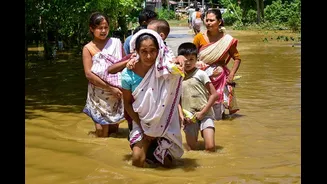
instance, forecasts issued on August 6 predict isolated heavy rainfall over Haryana, Chandigarh, and Delhi, with very heavy spells likely in Uttarakhand. Similar conditions are expected in parts of Maharashtra, Goa, Kerala, and Karnataka. These alerts signify a high probability of disruptive weather that can severely impact travel infrastructure, from waterlogged city streets to landslides in hilly areas. Authorities like the National Disaster Response Force (NDRF) have pre-deployed teams in vulnerable states like Kerala and Maharashtra in anticipation of monsoon-related emergencies.
Navigating a Disrupted Railway Network
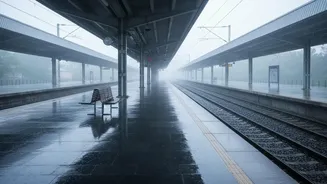
Heavy monsoon rains frequently cause major disruptions to the Indian Railways network. Flooding of tracks, landslides along crucial corridors, and precautionary safety blocks can lead to widespread cancellations, diversions, and significant delays. On August 6, for example, services in the Northeast Frontier Railway were heavily affected by flooding, leading to cancellations and diversions of major trains like the Nagaland Express. Passengers are strongly advised to verify the live status of their train using the official National Train Enquiry System (NTES) app or website before heading to the station. Even if your train is not cancelled, it may be regulated or rescheduled, adding hours to your journey. If a train is fully cancelled, automatic refunds are processed for online tickets, but those with counter tickets must visit a reservation office.
The Perils of Road Travel
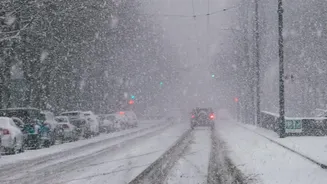
Driving during intense rain is fraught with challenges that demand caution and preparedness. The primary risks include poor visibility, slippery roads that increase braking distance, and the danger of hydroplaning. In urban areas, even a few hours of intense rain can overwhelm decades-old drainage systems, leading to severe waterlogging that stalls vehicles and conceals dangerous potholes. It is critical to never drive through waterlogged streets if you cannot judge the depth; water above the center of your wheels can cause serious engine damage. In hilly regions like Uttarakhand and Himachal Pradesh, the risk of landslides is a major concern, potentially causing sudden and prolonged road closures. Always reduce your speed, keep headlights on low beam for visibility, and maintain a much greater distance from the vehicle ahead.
How to Build Your Weather Buffer
A 'weather buffer' is the extra time and resources you allocate to your journey to handle unforeseen delays. Start by assuming your trip will take longer than usual. For road travel, add at least 30-50% to your estimated travel time. Before you leave, check real-time traffic updates and weather forecasts. For rail journeys, arrive at the station prepared for long halts; check the train's live running status multiple times before and during your journey. The most crucial part of your buffer is information. Follow official updates from the IMD, Indian Railways, and local traffic police. Being informed allows you to make timely decisions, whether it's choosing an alternate route or postponing your trip altogether.
Your Monsoon Travel Checklist
A little preparation goes a long way in ensuring your safety. Before any journey, ensure your vehicle's tyres, brakes, and windscreen wipers are in excellent condition. Pack an emergency kit containing a fully charged power bank, a first-aid kit, drinking water, non-perishable snacks, and a torch. Keep important documents and electronics in waterproof bags. Always inform a family member or friend about your travel plans, including your route and estimated time of arrival, so someone is aware of your whereabouts. Finally, wear sturdy footwear with a good grip to avoid slipping on wet surfaces at stations or on pavements. Prioritizing these small steps can make a significant difference when facing a travel disruption.