







The Psychology of Hoarding Points
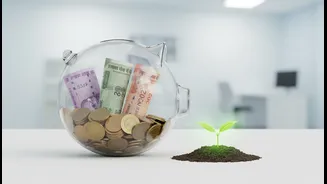
Companies are masters of behavioural economics. They know that collecting points activates the same pleasure centres in our brains as playing a game. This 'gamification' makes us feel like we're winning, even if we never cash in. We hoard points because
they feel more valuable than they often are, a phenomenon called the 'endowment effect'. We treat them like a precious stash, not like the real money they represent. Studies have shown that a huge percentage of reward points, worth crores of rupees, expire unused every year in India. This happens because we get caught up in earning, not redeeming. We're wired to enjoy the progress of accumulating points, often saving for a 'big' redemption that never materialises.
Red Flags of a Bad Programme
A reward programme's value is not in the points it promises, but in the ease of redemption. Many are designed to make redemption difficult. Be wary of programmes with points that expire quickly or without clear warnings. Some Indian credit card points expire in as little as two or three years. Another major red flag is a high redemption threshold, where you need to accumulate an enormous number of points to get anything of value. Complicated rules, blackout dates for travel, and a limited, undesirable catalogue of items to redeem against are also signs of a poor programme. Often, the perceived value is destroyed by high taxes, fees, and surcharges on 'free' flights or hotel stays, a common issue when redeeming airline miles.
Hallmarks of a Great Programme
The best programmes are built on simplicity, flexibility, and tangible value. A truly good programme allows you to redeem points for things you actually want, with clear and transparent rules. Look for flexibility in redemption options, such as converting points to cash back, statement credits, or transferring them to multiple airline and hotel partners. In India, several credit cards from banks like HDFC and Axis offer transfers to popular programmes like Singapore Airlines KrisFlyer or Qatar Privilege Club (Avios). The value per point should be easy to calculate. Before you redeem, always check the value you are getting. For example, if 10,000 points get you a flight ticket worth ₹5,000, your redemption value is ₹0.50 per point, which is a decent return. If you redeem the same points for a toaster worth ₹2,000, the value is only ₹0.20 per point.
Crafting Your Redemption Strategy
To beat the system, you need a strategy. First, don't hoard points; devaluation is a real risk as companies can change the rules at any time. Adopt an 'earn and burn' philosophy. Secondly, match your card to your spending. If you spend a lot on a specific category like dining or online shopping, use a card that gives you accelerated rewards for it. Don't use a single card for everything. Third, have a clear goal. Instead of collecting points aimlessly, decide if you're saving for a specific flight, a hotel stay, or simply aiming for cashback. This focus prevents you from making poor, last-minute redemptions just because points are about to expire. Finally, always pay your credit card balance in full. The high interest rates in India, often between 36% and 48% annually, will wipe out any reward value you gain.